


An induction cooker price in Singapore can range from around SGD 50 for a basic portable unit to SGD 3,000 or more for a built-in or downdraft cooktop. For most HDB and condo kitchens, the best-value choice is usually a two-zone or four-zone induction hob with safety controls, easy cleaning, and enough power for daily cooking. Paying more makes sense only if you need built-in installation, flexible cooking zones, smart controls, or integrated ventilation.
Your renovation has just wrapped up, the countertop is finally in, and now the kitchen needs the appliance that will actually be used every day. The induction cooker price matters, but the smarter question is what kind of cooking setup fits your home, your cabinet layout, and your routine.
What affects induction cooker price?

Induction cookers look simple from the outside, but prices vary because the internal parts, cooking zones, glass surface, power rating, and installation requirements can be very different.
A portable cooker is usually the most affordable because it has one cooking zone and plugs into a standard socket. A built-in hob costs more because it becomes part of your countertop and often needs professional installation. Downdraft models cost even more because ventilation is built into the cooktop itself.
For most Singapore homes, a mid-range induction hob is the sensible ceiling. A premium downdraft model is impressive, but it only makes sense if your kitchen layout cannot support a regular cooker hood or if your renovation plan was designed around it from the start.
Induction cooker price by type
| Type of induction cooker | Typical price range | Best for |
|---|---|---|
| Single-element portable induction cooker | SGD 50 to SGD 200 | Rental rooms, small kitchens, light cooking, or an extra cooking zone |
| Multi-element induction cooktop | SGD 200 to SGD 1,500 | Daily home cooking with more than one pot or pan |
| Built-in induction cooktop | SGD 500 to SGD 3,000 | Renovated HDB, BTO, condo, and landed kitchens with fitted countertops |
| Freestanding induction range | SGD 1,000 to SGD 4,000 | Homes that want a cooktop and oven in one unit |
| Hybrid induction cooktop | SGD 800 to SGD 2,500 | Home cooks who want induction plus conventional electric or gas zones |
| Downdraft induction cooktop | SGD 1,200 to SGD 3,500 | Open kitchens or layouts where an overhead hood is difficult |
| Commercial induction cooktop | SGD 1,500 to SGD 5,000 or more | Heavy-duty food preparation, not typical home use |
How much should you spend on an induction cooker?
If you cook simple meals and need flexibility, a portable induction cooker is enough. It is affordable, easy to store, and useful as a backup during renovation or when hosting.
If you cook daily for a couple or small family, choose a multi-element induction cooktop. Two zones are usually enough for compact kitchens, while four zones suit households that prepare several dishes at once.
If you are renovating your kitchen, a built-in induction cooktop is the cleaner long-term choice. It sits flush with the countertop, saves visual space, and is easier to wipe down after cooking. Browse induction hobs and kitchen hobs if you are comparing models for a new BTO, resale flat, or condo kitchen.
What features are worth paying more for?
More cooking zones
More zones usually increase the induction cooker price, but they also make cooking less stressful. If you often prepare rice, soup, vegetables, and a main dish at the same time, a larger cooktop is worth considering. If most meals are one-pot dishes, do not overpay for zones you will rarely use.
Higher power rating
A higher power rating can heat faster and handle heavier cooking better. This matters if you stir-fry often or cook for a family. For light reheating, boiling, and simple weekday meals, moderate power is usually enough.
Child lock and automatic shut-off
Safety features are worth paying for, especially in homes with children, elderly parents, or busy shared kitchens. Child lock, automatic shut-off, and overflow protection are practical features, not fancy extras.
Flexible cooking zones
Flexible zones allow the cooktop to detect cookware in different positions. This is convenient if you use larger pans or griddles. It is less necessary if you mostly use standard pots and pans.
Downdraft ventilation
Downdraft ventilation can push the price up significantly because the cooktop also handles smoke and steam extraction. It is useful for certain open kitchens, but most homes are better served by pairing a standard induction hob with a proper cooker hood. You can compare matching options under cooker hoods for Singapore kitchens.
What induction cooker price is right for HDB and condo kitchens?
For a compact HDB kitchen, a portable or two-zone induction cooker is usually practical. It keeps the countertop flexible and avoids overbuilding a small cooking area.
For a 4-room or 5-room BTO kitchen, a built-in two-zone or four-zone hob is often the sweet spot. It looks neat, supports daily cooking, and works well with planned cabinetry.
For condos and open kitchens, the right choice depends on ventilation. A sleek induction hob looks good, but cooking smells travel quickly in open layouts. Budget for both the hob and the hood, not just the hob.
Local delivery, installation, and after-sales support matter with kitchen appliances. An attractive floor price can become less attractive once you factor in installation questions, delivery handling, and who to call if something goes wrong after purchase.
Induction cooker top features to check before buying
Ceramic glass surface
Most induction cooktops use a ceramic glass surface. It is smooth, easy to clean, and designed to handle high cooking temperatures. Wipe spills early when safe to do so, because burnt residue is harder to remove later.
Cooktop plate and cooking zones
The top plate contains electromagnetic coils that heat induction-compatible cookware. Check the number of zones and the spacing between them. A cooktop may technically have several zones, but cramped spacing can make it awkward to use two large pots at the same time.
Control panel
Touch controls look cleaner, while knob controls can feel more familiar. Touch panels are easier to wipe down, but they should be responsive even when your hands are slightly damp from cooking.
Cookware compatibility
Induction cookers need induction-compatible cookware. Before buying a new hob, check whether your existing pots and pans have an induction symbol or a magnetic base. If a magnet sticks firmly to the base, it is usually compatible.
Should you choose portable or built-in induction?
| Choose portable induction if... | Choose built-in induction if... |
|---|---|
| You rent your home or move often | You are renovating and want a permanent kitchen setup |
| You cook occasionally | You cook most days |
| You need a backup cooking zone | You want a cleaner countertop finish |
| You have limited counter space | Your cabinet and countertop are already planned for a hob cut-out |
| You want the lowest upfront cost | You are willing to pay more for long-term convenience |
How to get better value from your induction cooker price
- Start with your cooking habits. A higher price does not help if the extra zones and smart features are rarely used.
- Check installation needs early. Built-in hobs may require countertop cutting, electrical planning, and proper ventilation.
- Match the hob with the hood. Strong cooking needs good extraction, especially in open-plan homes.
- Read the warranty terms. The coverage, service process, and local support can matter as much as the appliance itself.
- Budget for cookware if needed. Some older pots and pans may not work on induction.
If you are buying several appliances for a new home, compare them together under home appliances in Singapore. It is easier to plan the kitchen when the hob, hood, oven, fridge, and dishwasher are considered as one working system.
Common mistakes that make an induction cooker feel overpriced
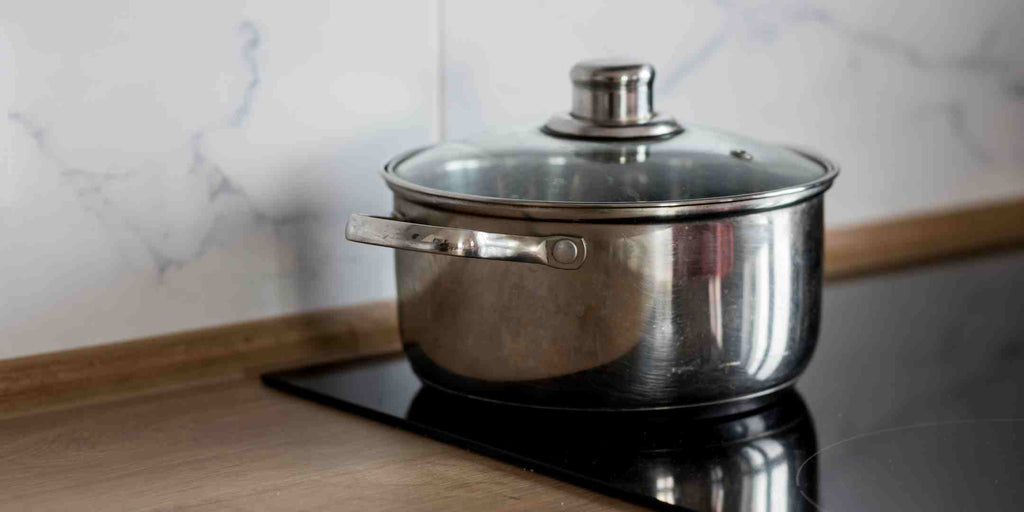
The first mistake is paying for too many cooking zones. A four-zone cooktop sounds impressive, but a small household that cooks one or two dishes at a time may not use it fully.
The second mistake is forgetting ventilation. Induction reduces open flame concerns, but it does not remove cooking smells, oil mist, or steam.
The third mistake is choosing a cooktop before confirming the countertop cut-out. Built-in appliances should be planned before fabrication, not after the kitchen top is installed.
The fourth mistake is buying based on price alone. Cheap is fine for occasional use. For daily cooking, durability, safety controls, and local support are worth paying for.
Thoughts on Induction Cooker Price
The right induction cooker price is not the lowest number on the page. It is the price that matches your cooking frequency, kitchen layout, safety needs, and installation plan.
For occasional use, stay simple with a portable unit. For daily HDB or condo cooking, a reliable built-in hob with sensible safety features is usually the better long-term choice. For open kitchens or special layouts, spend more only when ventilation and cabinetry justify it.
Every order ships locally, and after-sales support is handled from Singapore. Complimentary delivery and professional installation are available on qualifying orders. The team is reachable at +65 6950-2657, Monday to Friday, 9am to 6pm.
Frequently Asked Questions
What is the usual induction cooker price in Singapore?
The induction cooker price can start from around SGD 50 for a basic portable model and go beyond SGD 3,000 for built-in, downdraft, or premium multi-zone cooktops. The final price depends on the number of cooking zones, power rating, installation type, safety features, and ventilation design.
Is a built-in induction cooker worth the higher price?
Yes, if you cook regularly and are renovating your kitchen. A built-in induction cooker gives a cleaner countertop finish and is easier to use as a permanent cooking setup. If you rent or cook only occasionally, a portable unit may be more practical.
Why are some induction cookers so expensive?
Higher-priced induction cookers often include more cooking zones, stronger power output, better glass surfaces, flexible heating zones, smart controls, or built-in ventilation. Some features are useful, but not every home needs all of them.
Do I need special pots for an induction cooker?
You need cookware with an induction-compatible magnetic base. Look for the induction symbol on the pot or pan. You can also test the base with a magnet. If it sticks firmly, the cookware will usually work on induction.
Should I buy an induction cooker with a cooker hood?
For most daily cooking in Singapore, yes. Induction controls heat well, but it does not remove steam, oil, and food smells. A proper cooker hood is especially useful in open kitchens, compact HDB layouts, and homes that cook often.