


Quick answer: Most washing machines last around ten years, and proper washing machine maintenance gives you the best chance of reaching that lifespan without constant repairs. Clean the drum regularly, avoid overloading, use the correct amount of detergent, leave the door open after washes, and descale the washer when needed. If your washer leaks, gets noisy, or costs too much to repair, replacement may be the smarter move.
How to Take Care of Your Washing Machine to Prolong Its Lifespan
Clean Your Washing Machine Regularly

Cleaning clothes does not mean the machine cleans itself. Dirt, lint, detergent residue, body oil, and moisture can stay inside the drum, gasket, detergent drawer, and drain areas after every cycle.
Deep clean your washing machine once a month, or at least once every two months if you do lighter laundry. This helps reduce mould, bacteria, and stale odours inside the machine. In humid Singapore homes, this step matters more than many people think because damp laundry corners dry slowly.
Remove clean clothes as soon as the cycle ends. Leaving damp clothes inside the drum encourages odours and moisture buildup. After unloading, wipe the door seal, drum opening, and detergent drawer area with a dry cloth.
Do Not Overload Your Washer
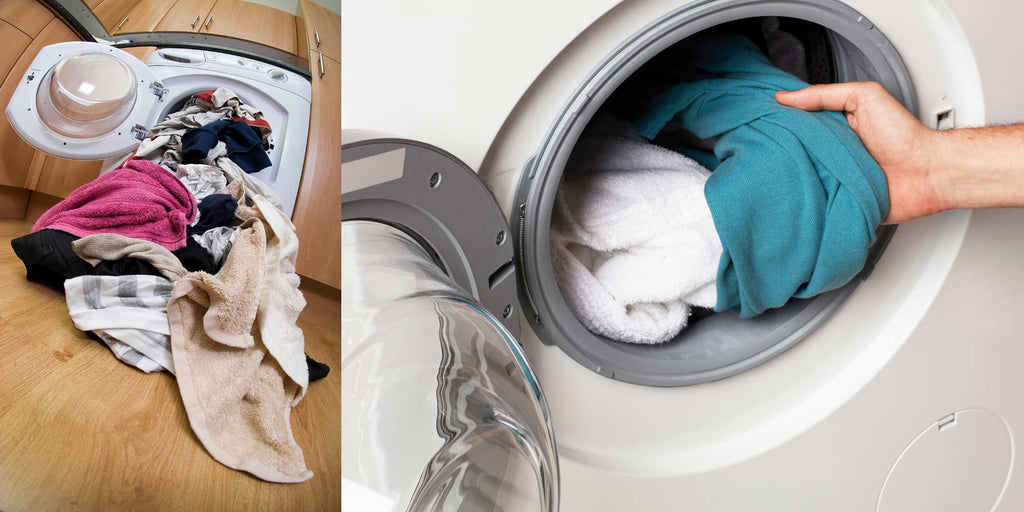
Overloading is the fastest way to shorten a washer’s life in a busy Singapore household. The drum needs space to rotate, rinse, and balance the load. When you force in too many clothes, the motor, belt, bearings, and suspension work harder than they should.
This applies to both top-load and front-load washers. A packed drum may also trap detergent in clothes, leave fabric poorly rinsed, and increase vibration during the spin cycle. For daily family laundry, choose a washer capacity that matches your real routine instead of pushing a smaller machine past its limit.
Need to replace an old unit or compare capacities? Browse washing machines and dryers with your household size and laundry frequency in mind.
Check Pockets and Materials

Coins, keys, hairpins, tissue packs, screws, and small toys can damage the drum or block the drain system. Check every pocket before loading clothes. This small habit can prevent repair calls later.
Pay attention to fabric details too. Clothes with metal buttons, hooks, long ties, or loose straps should go into a laundry bag. Bras and delicate garments should also be bagged to protect both the item and the machine. Heavy items like floor mats should only be washed if the care label and washer manual allow it.
Do Not Use Too Much Laundry Detergent

Too much detergent does not make clothes cleaner. It often creates more residue, more foam, and more rinsing problems. Residue can build up inside the drum, hoses, detergent drawer, and rubber seal. Over time, this can lead to odours and poor washing results.
Follow the detergent instructions based on load size and soil level. For front-load washing machines, use detergent suitable for low-suds washing. This keeps the cycle efficient and reduces stress on internal parts.
Do Full Wash Loads Without Stuffing the Drum

Frequent small loads can increase wear because the washer runs more cycles than necessary. Larger planned loads are usually better, as long as the drum is not packed tightly.
Use a simple rule: clothes should move freely during the wash. If you need to press clothes down to close the lid or door, the load is too much. Split it into two cycles instead of forcing the machine to struggle through one heavy wash.
Make Sure Your Washing Machine Is Correctly Positioned

Your washing machine should sit on a flat, stable surface. Poor levelling causes shaking, loud spinning, and unnecessary pressure on internal parts. Most washing machines are around 60x60 cm, so even a small tilt can become obvious once the spin cycle starts.
Check the feet and adjust them if the machine rocks when pushed gently. The washer should also have enough clearance for hoses and airflow. Do not bend the drain hose sharply behind the machine because this can affect drainage.
Leave the Door Open After Every Wash

Leave the washer door open after each cycle so moisture can escape. This is especially useful for front-load washers, where the rubber gasket can trap water.
Wipe the seal and leave the detergent drawer slightly open as well. These two small habits help prevent musty smells, mould, and that damp-laundry scent that comes back even after a fresh wash.
Descale Your Washing Machine

Descaling helps remove mineral buildup, detergent residue, and odours inside the washer. Run an empty hot wash using a washing machine cleaner or a manufacturer-approved descaling method. White vinegar is commonly used in home cleaning, but always check your washer manual first because some brands have specific care instructions.
Descale more often if your machine smells stale, drains slowly, or leaves residue on clothes. Do not mix cleaning chemicals inside the drum.
Simple Washing Machine Maintenance Checklist
| Maintenance Task | How Often to Do It | Why It Helps |
|---|---|---|
| Remove clothes after washing | Every cycle | Prevents odours and trapped moisture |
| Wipe the door seal and drum opening | Every few washes | Reduces mould and detergent residue |
| Check pockets before loading | Every cycle | Protects the drum, drain, and pump |
| Clean the detergent drawer | Monthly | Prevents sticky buildup and odours |
| Run a deep-clean cycle | Monthly or every two months | Keeps the washer fresher inside |
| Check levelling | When vibration increases | Reduces shaking and mechanical stress |
How Long Do Washing Machines Last?

The average washing machine lifespan is around ten years. Some high-quality washing machines can sometimes reach around thirteen years under favourable conditions, especially if they are cleaned, levelled, and used within the correct load capacity.
Heavy use changes the picture. A washer used every day by a large family will usually wear faster than a washer used a few times a week. Maintenance cannot stop natural wear, but it can delay avoidable problems.
When Should You Buy a New Washing Machine?

You can maintain a washing machine well and still reach the point where replacement makes more sense than another repair. Watch for these signs:
- Water leakage around the machine
- Loud banging, grinding, or unusual vibration
- Clothes coming out poorly rinsed or still dirty
- Longer cycles with weaker performance
- Higher electricity or water use than before
- Repair costs that keep adding up
Local delivery, installation, and support matter when replacing a major appliance. A washing machine is heavy, awkward to move, and connected to water points, so proper setup helps prevent early problems. Every order ships locally, and after-sales support is handled from Singapore. Complimentary delivery and professional installation are available on qualifying orders. The team is reachable at +65 6950-2657, Monday to Friday, 9am to 6pm.
Final Thoughts on Washing Machine Maintenance

Good washing machine maintenance is mostly about small habits done consistently. Keep the drum clean, let moisture escape, avoid heavy loads, use less detergent, and check clothes before washing. Those habits cost almost nothing, but they help protect one of the hardest-working appliances in the home.
Planning to start fresh with a new washer? Choose one based on household size, laundry frequency, available space, and local installation support. A good washer should make laundry easier, not turn every spin cycle into a warning sign.
Frequently Asked Questions
Is it worth it to buy a more expensive washing machine?

It can be worth it if the washer has the right capacity, reliable wash settings, efficient water use, and a build quality suited to your household’s laundry volume. Price alone does not guarantee a longer lifespan. Matching the machine to your actual routine matters more.
How often should I clean my washing machine?
Clean the washer lightly after regular use by wiping the seal and leaving the door open. Run a deeper clean once a month, or once every two months for lighter use.
Can too much detergent damage a washing machine?
Too much detergent can leave residue inside the drum, hoses, drawer, and door seal. This can cause odours, poor rinsing, and buildup that affects performance over time.
Should I repair or replace an old washing machine?
Repair makes sense for a newer washer with a clear, affordable issue. Replacement is usually smarter when the machine is near the end of its expected lifespan, leaks often, vibrates badly, or needs repeated expensive repairs.