


A comfortable bed is not created by the mattress alone. The bed frame, mattress firmness, pillow height, bedding, room layout, and even the bed height all affect how restful your bedroom feels.
For Singapore homes, especially HDB and condo bedrooms, the best setup is one that fits your room properly, supports your mattress well, and makes your daily routine easier. This guide explains how to choose a comfortable bed setup by pairing the right bed frame, mattress, bedding, and bedroom furniture.
Quick answer: A comfortable bed starts with a supportive bed frame, a mattress that suits your sleep position, the right pillow height, breathable bedding, and enough room around the bed for easy movement. Before buying, check mattress size, bed frame dimensions, firmness level, support base, room clearance, and delivery access. Comfort is personal, so choose a setup that feels good for your body and works with your bedroom layout.
What makes a comfortable bed?
A comfortable bed should feel supportive, easy to use, and suitable for your bedroom size. It should not be too high, too low, too soft, too firm, or too large for the room.
Think of the bed as a complete system:
- Bed frame: supports the mattress and sets the room style.
- Mattress: affects firmness, cushioning, and body support.
- Pillows: help keep the head and neck in a comfortable position.
- Bedding: affects warmth, breathability, and daily comfort.
- Bedroom layout: affects movement, storage, and overall ease of use.
To start building your setup, compare bed frames and mattresses together instead of choosing them separately.
Choose the right bed frame first
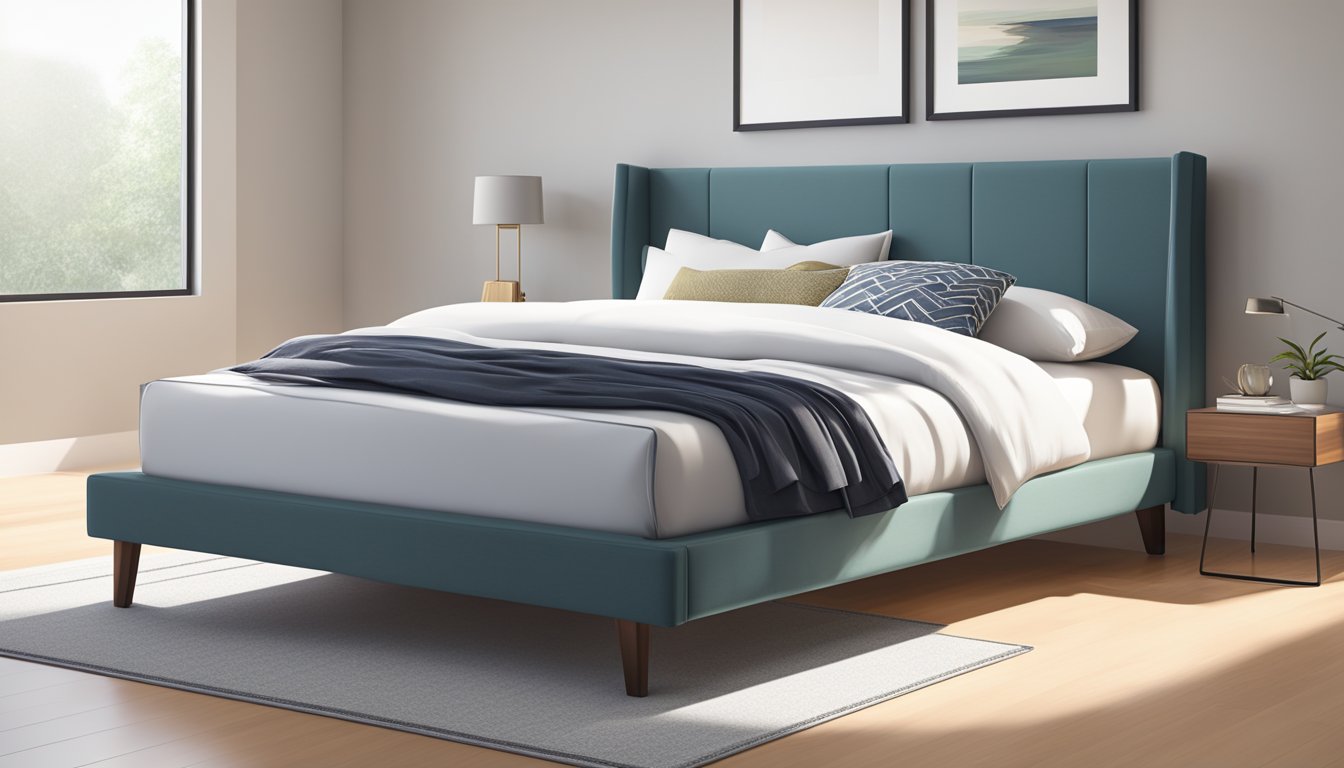
The bed frame supports the mattress and affects the look, height, storage, and stability of the whole bed. A good frame should match the mattress size, fit the room, and support daily use without making the bedroom feel crowded.
Wooden bed frames
Wooden bed frames can make a bedroom feel warm, natural, and timeless. They work well in Scandinavian, Japandi, minimalist, and modern contemporary bedrooms.
Metal bed frames
Metal frames can feel light and simple. They may suit compact rooms, rental homes, or minimalist setups, depending on the design and support structure.
Upholstered bed frames
Upholstered frames add softness through padded fabric, faux leather, genuine leather, or velvet finishes. They are useful if you like sitting up in bed because the headboard feels more comfortable than a hard frame.
Storage bed frames
A storage bed is helpful for small bedrooms because it turns the area under the mattress into hidden storage. Use it for spare bedding, seasonal clothes, extra pillows, or items you do not need daily.
| Bed frame type | Best for | What to check |
|---|---|---|
| Wooden bed frame | Warm and natural bedrooms | Frame size, wood finish, support slats, and maintenance |
| Metal bed frame | Simple or lightweight room setups | Stability, noise, support structure, and design fit |
| Upholstered bed frame | Soft, cosy, or hotel-inspired bedrooms | Fabric care, headboard thickness, and dust maintenance |
| Storage bed | Compact HDB and condo bedrooms | Storage opening, clearance, bed height, and mechanism |
Select the right mattress for your comfort
The mattress is the main comfort layer of your bed. It should support your sleeping position while giving you the level of cushioning you prefer.
There is no single mattress that suits everyone. Side sleepers may prefer more cushioning around the shoulders and hips, while back and stomach sleepers often need firmer support to prevent the body from sinking too deeply.
Memory foam mattress
Memory foam can offer a close-contouring feel. It may suit sleepers who like a hugged sensation and good motion isolation.
Latex mattress
Latex often feels more responsive than memory foam. It can suit sleepers who want cushioning but still prefer easier movement on the bed.
Innerspring or pocketed spring mattress
Spring mattresses usually provide a more traditional feel with bounce and airflow. Pocketed spring options may also help reduce motion transfer compared with older connected-spring designs.
Hybrid mattress
Hybrid mattresses combine comfort layers with a spring support system. They can be useful if you want a balance of cushioning, support, and airflow.
| Mattress type | Feel | Best for |
|---|---|---|
| Memory foam | Contouring and slow-response | Sleepers who like a hugged feel |
| Latex | Responsive and cushioned | Sleepers who want comfort with easier movement |
| Spring | Bouncy and supportive | Sleepers who prefer a classic mattress feel |
| Hybrid | Balanced comfort and support | Sleepers who want both cushioning and structure |
Match the mattress size to the bed frame
A comfortable bed must fit properly. If the mattress is too small for the frame, it may shift. If it is too large, it may not sit correctly.
| Common Singapore mattress size | Measurement | Good for |
|---|---|---|
| Single | 91 x 190 cm | Children, guest rooms, and compact bedrooms |
| Super Single | 107 x 190 cm | Teenagers, single adults, and one sleeper who wants more width |
| Queen | 152 x 190 cm | Couples and many master bedrooms |
| King | 183 x 190 cm | Larger master bedrooms and shared sleeping spaces |
Always check external bed frame dimensions too. Upholstered side rails, storage bases, tall headboards, and platform designs can make the full bed footprint larger than the mattress size.
Plan the room around the bed

A bed may feel comfortable when you lie down, but it still needs to work within the room. Leave enough space around the bed for walking, opening wardrobes, accessing drawers, and cleaning.
Before buying, measure:
- Bedroom wall where the bed will sit
- Walkway around the bed
- Wardrobe door or drawer clearance
- Bedside table space
- Doorway, corridor, and lift access
- Total bed height with mattress included
For a complete room plan, browse bedroom furniture and check how the bed frame, wardrobe, bedside table, dresser, and storage pieces work together.
Add pillows and bedding for everyday comfort
Pillows and bedding can change how comfortable a bed feels. Even a good mattress may feel wrong if the pillow height is unsuitable or the bedding traps too much heat.
Pillows
Choose pillow height based on your sleep position. Side sleepers often need more height than back sleepers, while stomach sleepers usually need a flatter pillow. The goal is to keep the head and neck in a comfortable position.
Bedding
Breathable bedding helps the bed feel cooler and fresher in Singapore’s humid climate. Choose sheets, duvet covers, protectors, and pillowcases that feel comfortable against the skin and are easy to wash.
Mattress protector
A mattress protector helps protect the mattress from spills, sweat, dust, and everyday wear. This is especially useful if you want to keep your mattress cleaner for longer.
Comfortable bed buying checklist
Before buying a new bed frame and mattress, check the full setup instead of choosing based on style alone.
- Does the mattress size match the bed frame?
- Does the bed frame give proper support for the mattress?
- Does the mattress firmness suit your sleeping position?
- Is the bed height comfortable once the mattress is added?
- Is there enough room to walk around the bed?
- Can wardrobe doors and drawers open properly?
- Will the bed frame fit through the lift, corridor, and bedroom door?
- Do you need storage under the bed?
- Are the bedding and pillows suitable for your climate and routine?
- Are the warranty, delivery, assembly, and care details clear?
Common mistakes to avoid
Choosing the mattress before checking the room
A larger mattress may sound more comfortable, but it can make a small room feel cramped. Choose a size that gives you enough sleeping space and enough walking space.
Ignoring the support base
A mattress needs a suitable bed frame or foundation. Poor support can affect how the mattress feels and how well it wears over time.
Buying only for looks
A beautiful bed frame still needs to be practical. Check the headboard height, frame stability, storage access, and cleaning routine.
Forgetting pillow and bedding comfort
The mattress is important, but the pillow and bedding affect daily comfort too. Review the full bed setup if the bed does not feel right.
Final thoughts
A comfortable bed is a combination of the right mattress, supportive bed frame, suitable pillows, breathable bedding, and a room layout that works in daily life.
Before buying, measure your bedroom, compare bed frame types, choose a mattress based on your sleep position, and check how the full setup fits your space. The best bed for your home is the one that feels comfortable, fits properly, and supports your everyday routine.
Comfortable Bed FAQs
What makes a comfortable bed?
A comfortable bed combines a supportive bed frame, a mattress that suits your sleeping position, suitable pillows, breathable bedding, and enough room around the bed for easy movement.
How do I choose a comfortable mattress?
Choose a mattress based on your sleep position, firmness preference, body support needs, material feel, and room climate. Test the mattress when possible and avoid choosing by firmness label alone.
Does the bed frame affect mattress comfort?
Yes. The bed frame supports the mattress. A weak, uneven, or unsuitable base can affect how the mattress feels and may contribute to uneven wear over time.
What bed size should I choose for a small bedroom?
Choose the largest bed size that still leaves enough walking space and furniture clearance. For compact rooms, Single, Super Single, or Queen may be more practical than King, depending on the layout.
Is a storage bed good for a comfortable bedroom?
A storage bed can be useful if your room lacks cabinet space. It helps reduce clutter, but you should check the opening mechanism, bed height, and storage access before buying.
What bedding helps make a bed more comfortable?
Breathable sheets, suitable pillowcases, a mattress protector, and bedding that matches your warmth preference can make the bed feel more comfortable for daily use.