


Renovation is finally done, the walls are fresh, and the empty room now needs to feel calm without becoming stiff.
Quick answer: A tatami mat Singapore setup works best when you want flexible floor seating, a low sleeping corner, or a softer Japanese-inspired look without filling the room with bulky furniture. For most compact HDB bedrooms, a foldable tatami mat is the smarter first purchase than a permanent low bed setup because it keeps the room flexible.
What Is a Tatami Mat?
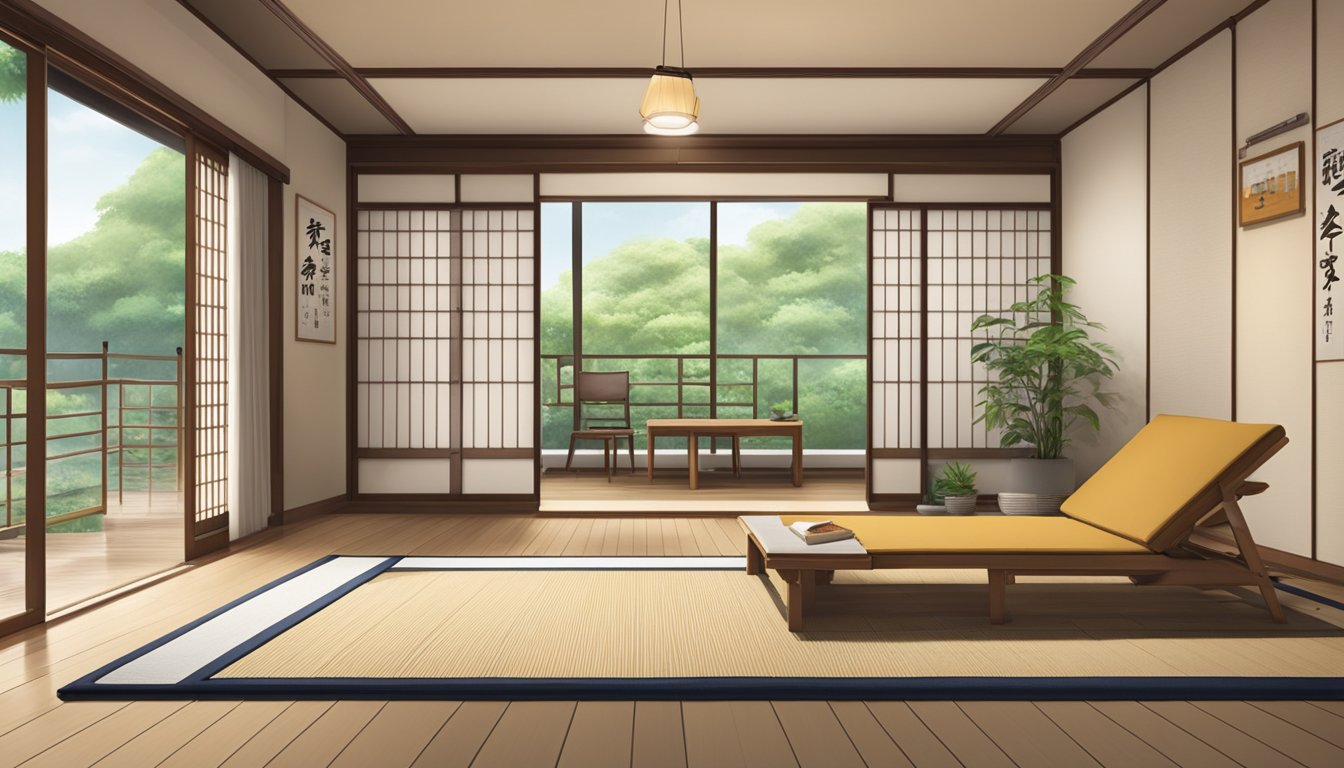
Tatami is a traditional Japanese floor mat used for sitting, resting, and sleeping. In many Japanese homes and inns, tatami helps shape the feel of a room: low, quiet, simple, and close to the floor.
In Singapore homes, tatami is usually chosen less as a full flooring system and more as a flexible lifestyle piece. Some buyers use a tatami mat as a floor rug in a reading corner. Some use a tatami floor mattress setup for guests. Others place a Japanese tatami mattress in a bedroom to create a low, calming sleep zone.
The main appeal is simple. Tatami gives a room softness without the bulk of large furniture. In a smaller HDB room, that matters more than most people admit.
Why Tatami Works in Singapore Homes

It suits compact rooms
Many BTO and condo bedrooms do not have spare space for oversized furniture. Tatami keeps the visual line low, which can make a room feel less crowded. Pairing a mat with clean-lined bed frames can also help if you want a low bedroom look without placing everything directly on the floor.
It creates flexible floor seating
Floor seating works well in homes where one room needs to do more than one job. The same corner can be used for tea, reading, stretching, quiet play, or casual hosting. Add a low table and cushions, and the room feels intentional instead of empty.
It fits Japandi and minimalist interiors
Tatami buyers in Singapore often like the same design language: pale woods, simple lines, soft neutrals, and less visual clutter. The trick is restraint. One Japanese tatami mat can look refined. Filling the room with too many themed pieces can make it feel like a stage set.
Where to Buy Tatami Mat in Singapore?
Start by deciding how you want to use the mat. For floor seating, a foldable tatami mat is usually enough. For sleeping, look at a tatami mattress or a firmer tatami floor mattress setup. For a full low-bedroom concept, combine the mat with a suitable bed base, storage plan, and breathable bedding.
Megafurniture.sg carries furniture, mattresses, bedding, and home pieces for Singapore homes, so it is useful if your tatami idea is part of a wider room plan. Delivery and setup matter more than people think, especially when the order includes bedroom furniture or a larger sleep setup. Complimentary delivery and professional assembly are available on qualifying orders, and support is handled locally at +65 6950-2657, Monday to Friday, 9am to 6pm.
If the room also needs a proper sleep surface, browse mattresses before committing to a tatami-only setup. A thick tatami mattress can feel clean and minimal, but some sleepers still need the pressure relief of a standard mattress.
Choosing Between a Foldable Tatami Mat, Tatami Mattress, and Tatami Bed Setup
| Option | Best For | What to Watch |
|---|---|---|
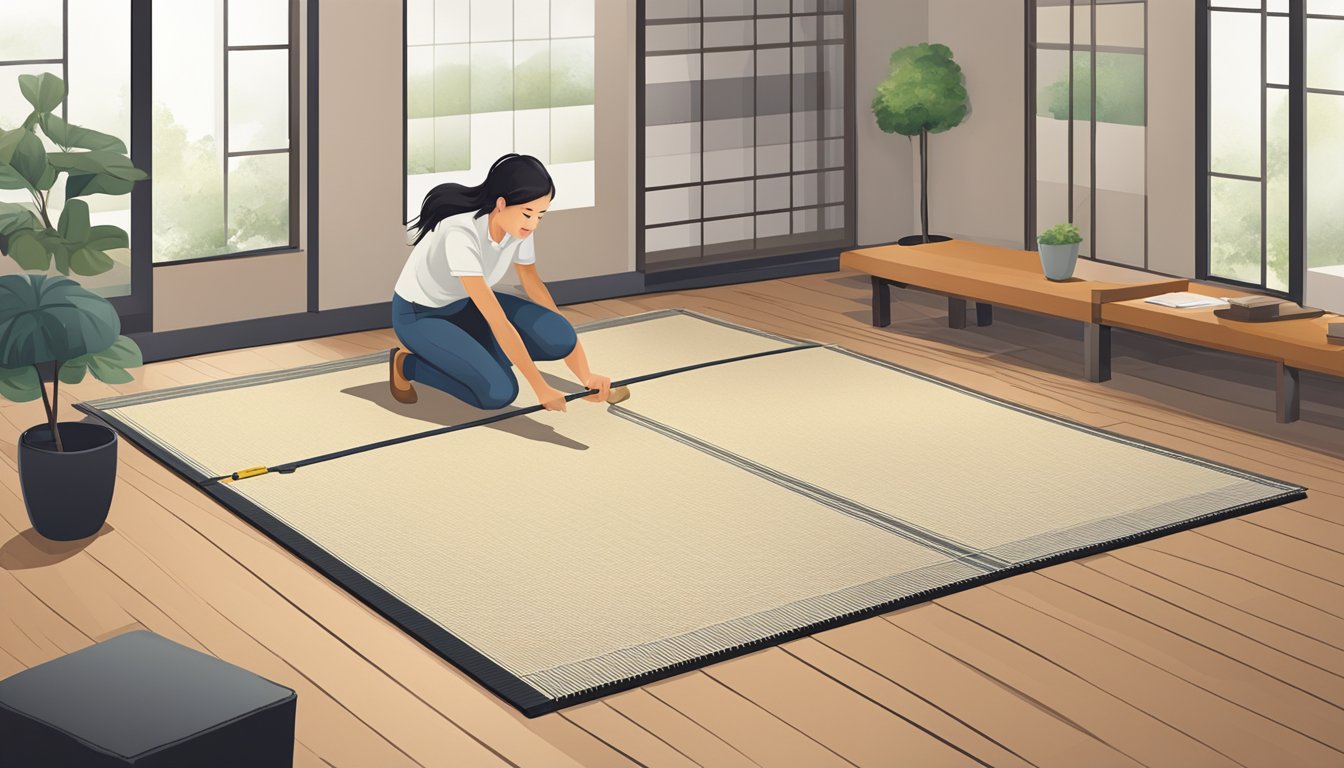
| Foldable tatami mat | Small HDB rooms, guest corners, play areas, and homes that need flexible layouts | Less permanent, so it may shift if used heavily every day |
| Tatami floor mattress | Low sleeping setups, guest sleepovers, and rooms where a full bed feels too bulky | Comfort depends on thickness, firmness, and the sleeper's body needs |
| Tatami mattress | People who like firmer sleep surfaces and a cleaner low-profile bedroom | May not suit sleepers who need plush cushioning or strong contouring |
| Tatami bed setup | Bedrooms planned around a full Japanese-inspired sleep style | Less flexible than a foldable mat, so measure carefully before buying |
Choose a foldable tatami mat for flexibility
Go foldable if the room changes use often. This is the safest choice for a spare room, nursery corner, or small living area. You can bring it out when needed and store it when the room needs to breathe.
Choose a tatami floor mattress for occasional sleep
Choose this route if the mat will double as a guest mattress. It works best for short stays, afternoon rests, or homes where guests are occasional. For everyday sleep, test firmness carefully.
Choose a tatami bed setup for a planned bedroom
Choose a full tatami bed setup only after measuring the room, wardrobe swing, and walking space. Around 60 cm beside the bed is a practical target if you want to move without sidestepping every morning. If storage is the bigger issue, a storage bed may solve more problems than a low platform.
How to Style a Japanese Tatami Mat Without Overdoing It
Keep furniture low and simple
Tatami looks best with furniture that stays close to the ground. Low tables, compact bed frames, and simple shelving work better than tall, heavy pieces. The room should feel grounded, not crowded.
Use calm wood tones
Light oak, walnut, rattan textures, and muted fabrics pair well with tatami. Keep the colour palette quiet. Cream, beige, warm grey, and soft brown tones make a Japanese tatami mattress feel more natural in a Singapore flat.
Leave visible floor space
Do not cover every corner. Tatami needs breathing room around it. This is especially important in 3-room and 4-room HDB homes, where too many low pieces can make the floor feel busy.
Balance softness with proper furniture
Floor living feels relaxed, but daily life still needs support. A living room still benefits from a proper sofa if family members prefer back support, or if older parents visit often. Tatami should add calm, not create discomfort.
Tatami Care Tips for Singapore Humidity
Singapore's ambient humidity typically sits around 70-85%, so any floor mat or tatami mattress needs airflow. Avoid placing a tatami mat permanently against damp flooring or in a room that stays closed all week. Air it regularly, keep it dry, and clean spills quickly.
Rooms without regular aircon tend to feel more humid. If the mat is used for sleeping, lift it often and let the floor beneath it dry fully. This small habit matters in Singapore more than in colder, drier climates.
Megafurniture's own factories in Batu Pahat, Johor and Foshan, Guangdong have been operational since late 2025. They produce a growing share of the furniture range, including bed frames, sofas, mattresses, and wood furniture. Quality checks happen in-house before pieces ship to Singapore, where delivery and professional assembly are handled locally. The programme does not cover the whole range yet, but it is expanding through 2028.
Frequently Asked Questions
Where can I buy a tatami mat in Singapore?
You can buy tatami-style mats, bedding, mattresses, and bedroom furniture through Megafurniture.sg. For the best result, plan the whole corner first: mat size, walking space, storage, and the type of sleeping surface you need.
What is the difference between a tatami mat and a tatami mattress?
A tatami mat is usually used as a floor surface for sitting, resting, or creating a Japanese-style room. A tatami mattress is designed more for sleeping or lounging. A thick tatami mattress may feel firmer than a regular mattress, so comfort testing matters if you plan to sleep on it daily.
Is a foldable tatami mat good for a small HDB room?
Yes, a foldable tatami mat is one of the most practical choices for a small HDB room. It can be used for guests, playtime, reading, or casual floor seating, then stored when the room needs to serve another purpose.
Can a tatami floor mattress replace a bed?
It can replace a bed for some sleepers, especially those who prefer a firmer, lower sleep surface. It may not suit people who need strong pressure relief, plush cushioning, or easier bed height for getting up. In those cases, a standard mattress and bed frame may be the better long-term choice.
How do I maintain a Japanese tatami mat in Singapore?
Keep it dry, air it often, and avoid leaving it pressed against damp floors for long periods. Singapore humidity makes airflow important, especially in rooms without regular aircon. Wipe spills quickly and lift the mat from time to time so the floor below can dry.