


You have got the BTO keys, and the storeroom looks generous until luggage, bedding, cleaning supplies, festive decor, spare cables, and old paperwork start moving in.
Quick answer: Stackable storage boxes are worth using when they fit the shelf or floor space, protect items from dust, and let you reach what you need without dismantling the whole stack. In a small HDB, condo, or home office, vertical storage only works if access stays practical.
Stackable storage boxes are simple, but choosing them badly creates a new problem: neat-looking piles that nobody wants to open. The right boxes should match the room, item weight, humidity level, and how often you need the contents.
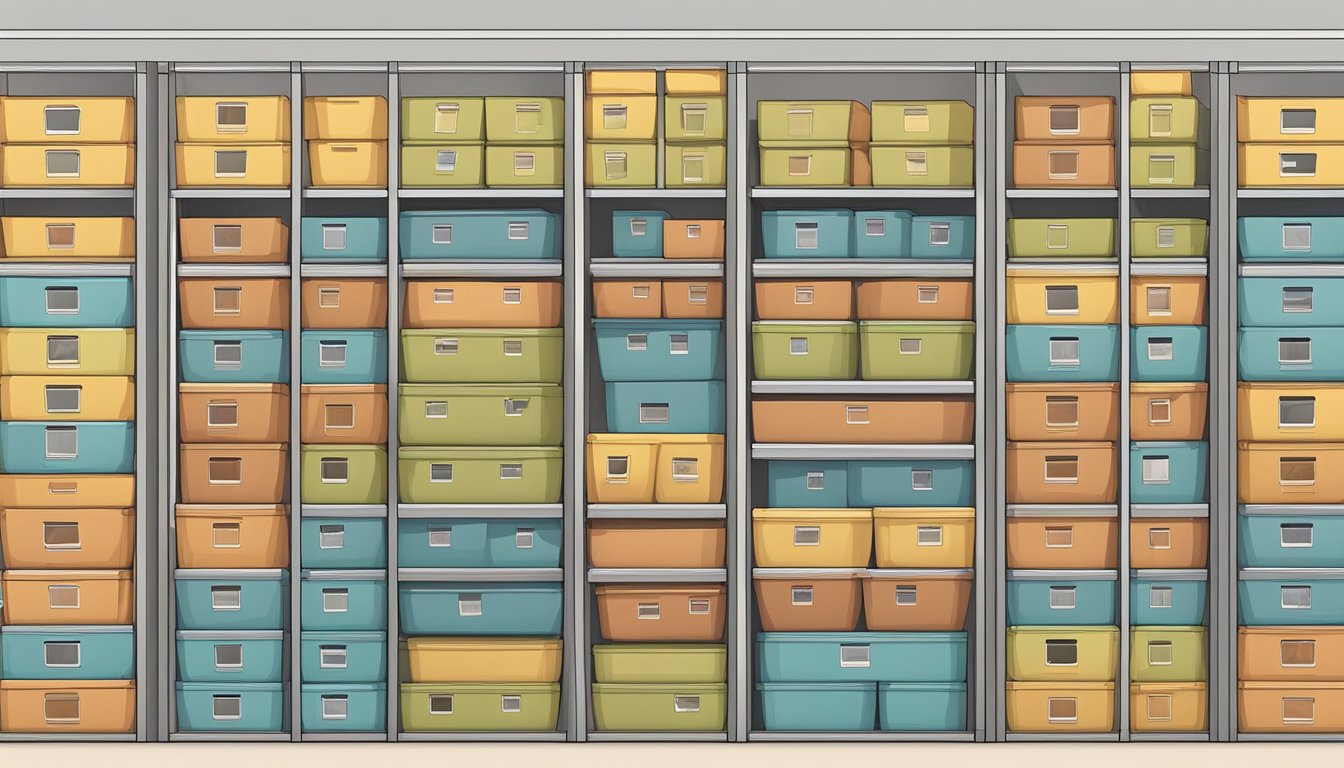
Are stackable storage boxes good for small homes?
Yes, stackable storage boxes are good for small homes when they use vertical space without blocking walkways, cabinet doors, or daily routines. They are useful in bedrooms, wardrobes, storerooms, study rooms, utility areas, and children’s rooms where loose items quickly spread across the floor.
Here is the position worth remembering: stackable storage boxes only solve clutter if the bottom box does not become a forgotten basement. If you need an item every week, put it in a front-opening box, drawer-style organiser, or the top layer of the stack. Deep stacks are better for items you use less often.
| Storage area | Best box type | What to avoid |
|---|---|---|
| Wardrobe | Clear or labelled boxes for folded clothes, towels, and bedding | Overfilling boxes until shelves sag or doors cannot close |
| Storeroom | Sturdy lidded boxes for tools, decor, cables, and household supplies | Stacking heavy items too high |
| Bedroom | Low-profile storage boxes for spare sheets, bags, and accessories | Storing damp fabric in closed boxes |
| Study room or office | Small organiser boxes for stationery, documents, chargers, and craft items | Mixing paperwork with loose cables and small parts |
| Kitchen or pantry | Food-safe containers only where food contact is needed | Assuming every plastic box is suitable for food storage |
| Laundry or utility area | Ventilated or easy-clean boxes for cleaning supplies and laundry items | Storing wet cloths, leaking bottles, or strong-smelling items together |
Choose the box by access, not just size
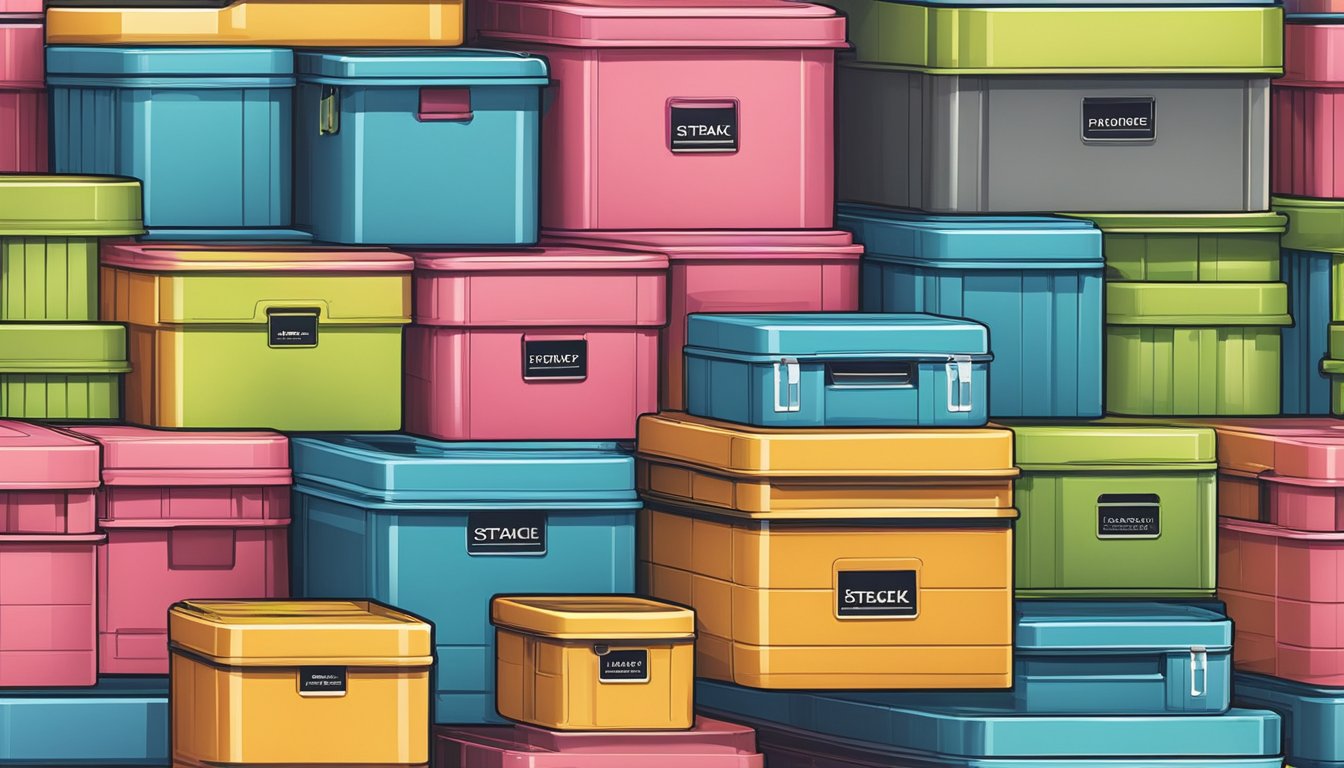
Size matters, but access matters more. A large box looks efficient until it becomes too heavy to lift. A tall stack looks tidy until the item you need is trapped at the bottom.
Browse storage boxes for Singapore homes after deciding where they will live. Measure the shelf, cabinet, wardrobe base, under-bed area, or storeroom corner first. Leave enough hand space to pull the box out without scraping walls, doors, or nearby furniture.
If you use the contents often, choose smaller boxes or front-opening designs. If the items are seasonal, such as festive decor, spare quilts, or travel gear, lidded stackable boxes can work well because they protect items while staying neat.
Front-opening, lidded, clear, or nestable boxes?
Different box designs solve different storage problems.
- Front-opening storage boxes are useful when boxes stay stacked and you need regular access.
- Lidded boxes are better for dust protection and longer-term storage.
- Clear plastic storage boxes help you see contents quickly without opening every box.
- Opaque boxes look calmer in open shelves and living areas.
- Nestable boxes save space when empty because they fit inside one another.
- Airtight containers are useful only when the item truly needs a tighter seal.
The trade-off is visibility. Clear boxes make finding things easy, but they can look busy if left in open areas. Opaque boxes look tidier, but they need clear labels unless you enjoy opening four boxes to find one charger.
Use stackable boxes with wardrobes and cabinets
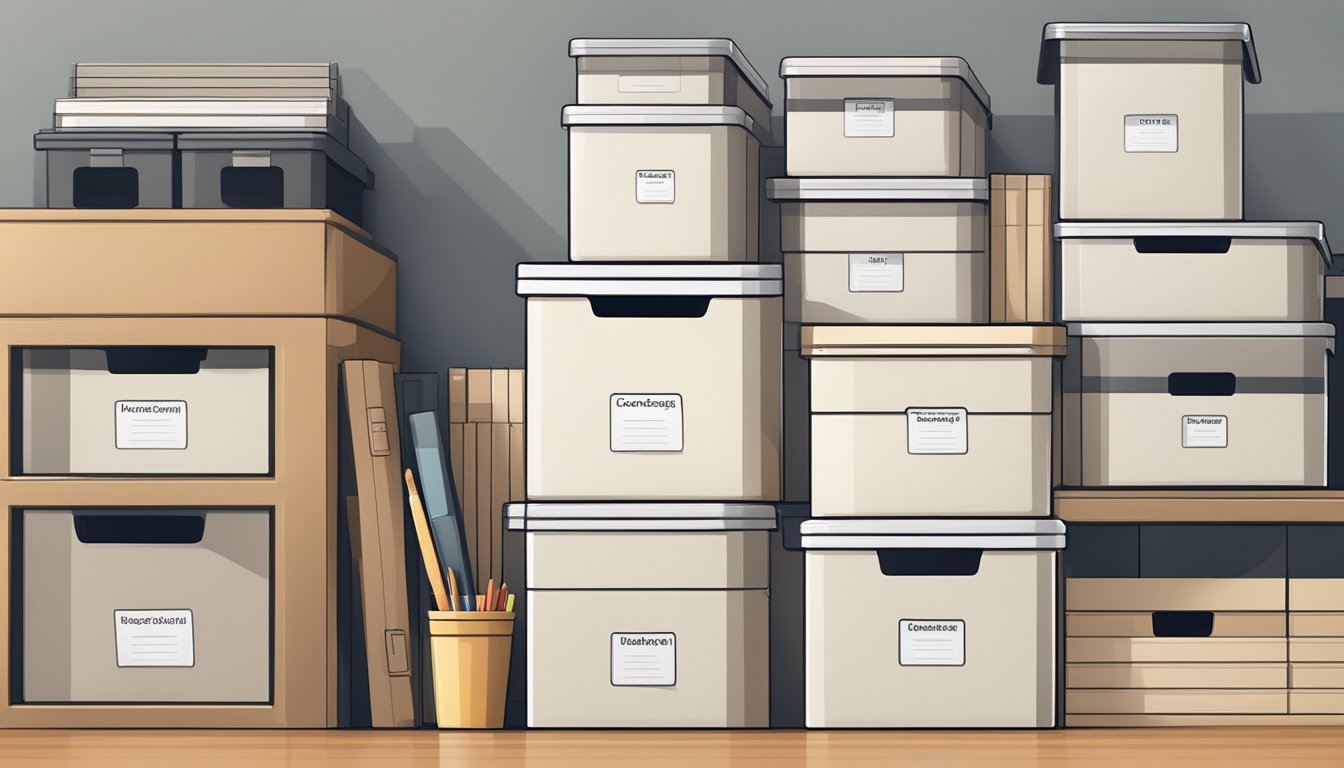
Stackable boxes work especially well inside wardrobes, storage cabinets, and utility units because the surrounding furniture gives the stack structure. In a wardrobe, use boxes for off-season clothing, spare bedsheets, bags, accessories, and items that do not need hanging space.
Compare wardrobes for organised bedroom storage if your boxes are doing the job of a missing cabinet. Boxes can improve storage, but they cannot fix a wardrobe layout that is too small for the household.
For living rooms, study rooms, and utility areas, storage cabinets for HDB and condo homes can keep boxes hidden while still easy to reach. This is useful when you want practical storage without making the room feel like a storeroom.
Do not overload the stack
Stacking works best when heavier boxes sit at the bottom and lighter boxes sit above. Put books, tools, and dense items low. Put bedding, soft toys, lightweight decor, and seasonal fabric items higher. If a box bends, cracks, or becomes difficult to move, it is carrying too much.
Avoid stacking boxes so high that you need a chair every time you want something. That is not organisation. That is a future accident with nicer labels.
If the storage area needs more structure, browse storage units for flexible home organisation. A proper storage unit can hold boxes in separate cubbies so you do not need to lift several boxes just to reach one item.
Singapore humidity changes what you should store
Closed boxes are useful, but they can also trap moisture if the contents are damp. In Singapore’s humid weather, store only clean and fully dry fabric items. Let towels, bedsheets, sports gear, and laundry items dry completely before closing them inside a box.
For clothing and bedding, avoid packing boxes so tightly that air cannot move at all. If the storeroom or wardrobe smells musty, open boxes occasionally and air the area. Do not use closed storage boxes for wet umbrellas, damp shoes, leaking bottles, or food unless the container is specifically designed for that purpose.
For pantry use, choose food-safe containers where needed. A general storage box is not automatically suitable for direct food contact.
Label boxes in a way you will actually maintain

Labels do not need to be beautiful. They need to be useful. Label by category, room, or frequency of use. For example: “Guest bedding,” “Cables,” “Kids’ art supplies,” “Christmas decor,” or “Travel adapters.”
Keep one category per box when possible. Mixed boxes save time today and waste time later. If you must mix items, list the contents on the label or place a simple inventory note inside the lid.
For children’s rooms, use picture labels or large text labels. If children can see where things belong, there is a better chance the room will return to order without a full parent-led search party.
Before you buy stackable storage boxes
Measure the storage location first. Check shelf depth, cabinet height, wardrobe base width, under-bed clearance, storeroom floor space, and door swing. A box that fits the shelf but blocks the cabinet door is not a space-saving solution.
Check these before ordering:
- Box width, depth, and height
- Stacking stability
- Lid type and opening direction
- Handle comfort
- Whether the box is clear, opaque, or labelled easily
- Whether the material suits the item stored
- Whether heavier items will sit safely at the bottom
Assembly is handled professionally on delivery for qualifying orders where furniture setup is needed. If something arrives damaged, the team at +65 6950-2657 sorts it locally during service hours, not through a distant returns process.
How to keep storage boxes organised long term
Review the boxes every few months. If a box has not been opened in a year, check whether the contents still belong in your home. Storage should support daily living, not preserve every “maybe one day” item forever.
Keep frequently used boxes at waist or eye level where possible. Keep rarely used items higher or deeper in the storeroom. Store heavy items low. Keep emergency items, important documents, and daily tools easy to reach.
A growing share of Mega Furniture's furniture range now comes from its own factories in Batu Pahat, Johor and Foshan, Guangdong, both operational since late 2025. Quality checks happen in-house before pieces ship to Singapore, where delivery and professional assembly are handled locally. It is not the whole range yet, but the programme is expanding through 2028.
FAQs
Are stackable storage boxes good for HDB homes?
Yes, stackable storage boxes are useful for HDB homes because they help use vertical space in wardrobes, storerooms, bedrooms, study areas, and utility corners. Choose sizes that fit shelves and doors without blocking access.
What should I store in stackable storage boxes?
Store clean, dry items such as bedding, clothes, towels, toys, stationery, cables, seasonal decor, and household supplies. Avoid damp fabrics, leaking bottles, food, or items that need ventilation unless the box is designed for that use.
Are clear or opaque storage boxes better?
Clear boxes are better when you need to see contents quickly. Opaque boxes look neater in open shelves or visible rooms. If you choose opaque boxes, label them clearly.
Are front-opening stackable storage boxes worth it?
Front-opening stackable storage boxes are worth it if you need regular access while the boxes remain stacked. They save you from lifting several boxes just to reach the one underneath.
How do I stop stackable storage boxes from becoming messy?
Use one category per box, label each box clearly, keep frequently used items near the top or front, and review the contents every few months. Do not overfill boxes until they are too heavy to move safely.