


You have got the BTO keys, and the dining area looks smaller than the floor plan made it feel. Meals still need a proper place, especially in a home where breakfast, takeaway suppers, weekend hotpot, and WFH calls may all happen at the same table.
Quick answer: The best dining ideas for small spaces start with a compact round, square, or extendable table, slim chairs, and enough clearance for people to sit without blocking the walkway. For most small HDB dining zones, a round or extendable dining table is the smarter choice than a large rectangular table because it gives you daily space first and hosting space only when needed.
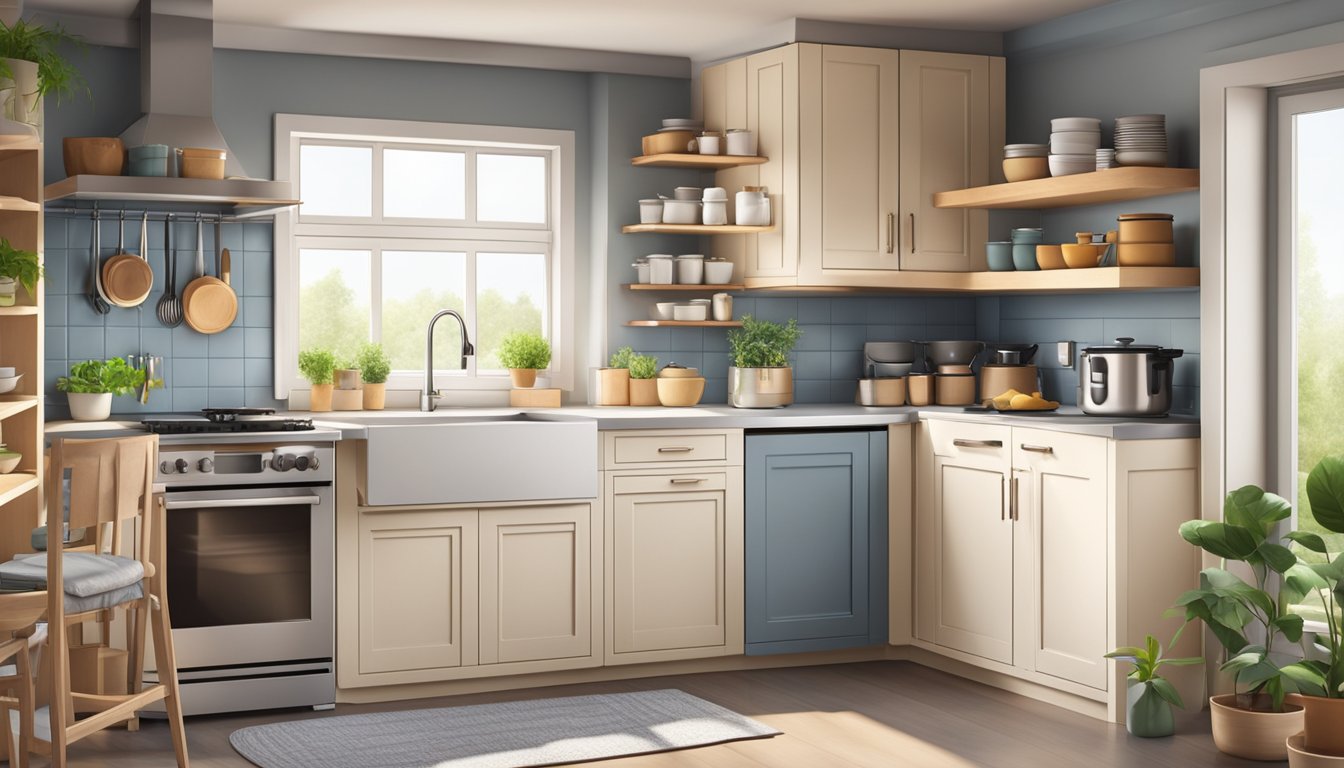
Small dining does not mean eating from the coffee table forever. It means choosing furniture with stricter rules. Start with the table footprint, then check chair clearance, storage, lighting, and how the dining area connects to the kitchen or living room.
Key Takeaways
- Use a compact round, square, or extendable table if the dining zone sits near a kitchen walkway.
- Allow around 60 cm of table width per person and about 90-100 cm behind chairs where possible.
- Choose slim chairs, benches, or stackable seating instead of bulky high-back dining chairs.
- Use mirrors, light walls, and pendant lighting to make the area feel brighter without taking up floor space.
- Measure the lift, corridor, and room doorway before ordering any large dining furniture.
What dining ideas for small spaces work best in Singapore homes?
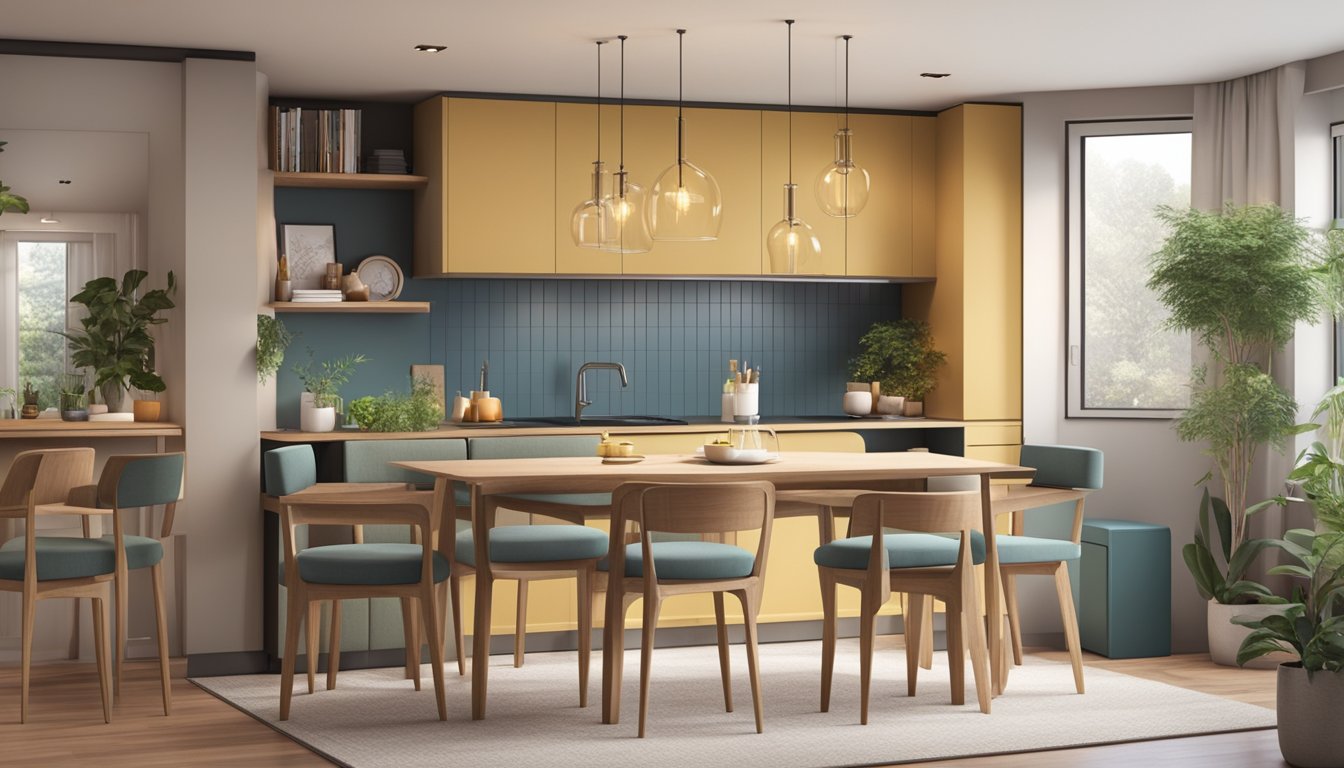
Singapore homes need dining ideas that work for real habits, not just staged photos. In a 3-room HDB flat of around 60-65 sqm, the dining area often shares space with the living room or kitchen entrance. In a 4-room flat of around 90 sqm, the dining area may still compete with a shoe cabinet, sofa, fridge path, or service yard route.
Start with one question: how many people eat there daily? Buy for that number first. Hosting is important, but daily comfort matters more. A table that squeezes six people once a month can annoy two people every morning if it blocks the walking path.
For most small homes, compact dining tables make more sense than oversized statement tables. A 4-seat dining table is typically around 120 x 75 cm, while a 6-seat table usually sits around 150-180 x 90 cm. Those extra centimetres matter when someone needs to open a fridge door or walk behind a seated person.
Choose the right table shape before choosing the style
Table shape controls movement. Style comes after.
| Small-space situation | Best dining choice | Why it works |
|---|---|---|
| Narrow dining strip beside the kitchen | Small rectangular or extendable table | It can sit close to the wall and open only when guests come over. |
| Square dining corner | Round or square table | It keeps movement easier and avoids sharp corners in tight walkways. |
| Studio apartment | Wall-side table or bar-height table | It can double as a work surface without taking over the room. |
| Living and dining room combined | Compact table with bench seating | The bench can tuck under the table when not in use. |
| Small home that hosts family often | Extendable dining table | It stays compact on weekdays and opens for steamboat nights. |
Round tables are friendlier in tight corners because there are no sharp edges to squeeze around. Rectangular tables are better when one side can sit against a wall. Extendable tables are the middle ground, but the mechanism needs room to open fully.
Use seating that disappears after meals
Bulky dining chairs can ruin a small dining area faster than the table itself. Choose slim chairs, backless stools, stackable chairs, or a bench that fits under the table.
Bench seating works well against a wall because it removes the need to pull out two or three separate chairs. A storage bench adds another layer of function for placemats, table runners, or rarely used serving pieces. The trade-off is comfort. A bench is practical for daily meals, but it may not feel as relaxed as a proper chair during long dinners.
Mixed seating also works. Use a bench on the wall side, then place slim dining chairs on the open side. This keeps the layout flexible without making the room look like a temporary setup.
Make the dining area share space without looking messy
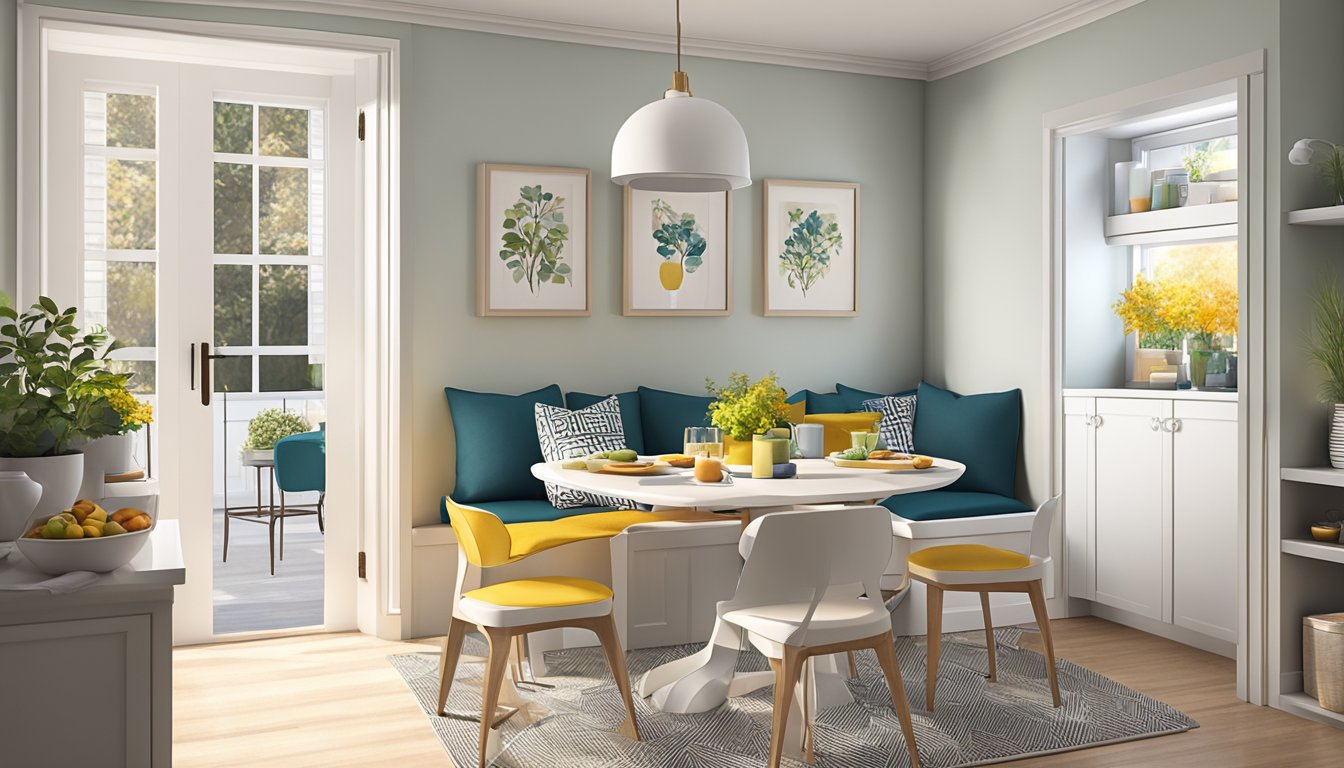
Small Singapore homes often need one zone to do two jobs. A dining table may sit behind the sofa, beside the kitchen, or near the entryway. The goal is to make the dining zone feel intentional instead of squeezed in.
Use a pendant light above the table if the ceiling point allows it. This marks the dining area without adding furniture. A low rug can also frame the area, but skip thick rugs if chairs need to move in and out daily.
For open-plan homes, keep the sofa and dining table in visual balance. If the living area already has a deep, heavy sofa, choose a lighter dining set. If you are still choosing living room furniture, browse space-conscious sofas that leave enough walking room between the lounge and dining zones.
Mirrors help when placed opposite a window or light source. White, beige, pale wood, and soft grey tones can make the dining area feel calmer, especially in narrow flats. Dark furniture can still work, but it needs more breathing room and better lighting.
Pick materials that can handle Singapore homes
Singapore humidity is not a small detail. Ambient humidity often sits around 70-85%, and solid wood can expand or contract with seasonal changes. Engineered wood and plywood tend to stay more stable in humid rooms, while solid wood rewards careful placement and regular care.
West-facing units need extra care. Strong afternoon sun can fade upholstery, dry out leather, and bleach or warp wood over time. Place the dining table away from direct sunlight where possible, or use curtains and blinds during the hottest part of the day.
Sintered stone suits busy dining areas because it resists scratches, heat, and stains better than many surfaces. Marble looks beautiful, but it is porous and needs sealing. Families who eat saucy food often should think twice before choosing a delicate tabletop that needs careful wiping after every meal.
Before you order, measure more than the dining corner
Measuring only the empty dining corner is a common mistake. Chairs need space to move. People need space to pass. Delivery teams also need a clear path into the home.
- Leave around 90-100 cm behind dining chairs where possible.
- Keep main walkways around 70-90 cm wide.
- Check the lift opening, especially in HDB blocks where many lift openings are approximately 0.8 m wide.
- Measure the corridor, main door, and room doorway before ordering a large table.
- Mark the table size on the floor with tape before buying. It looks boring, but it saves arguments later.
Complimentary delivery and professional assembly come with qualifying orders, which matters when a dining table arrives in large parts and the space to build it is tight. If something arrives damaged, the team at +65 6950-2657 handles support locally instead of leaving you to sort it through a distant returns process.
Small-space dining layout ideas that actually work
Try a wall-side dining setup if your walkway is narrow. Push one long side of the table near the wall and use chairs only on the open sides. This works best for two to four people.
Use a corner nook if you have an awkward pocket near the kitchen. A bench along the wall makes the corner useful without needing full chair clearance on every side.
Try a kitchen island dining setup if your home already has a suitable counter. This saves space, but it is not ideal for families who prefer long seated meals. Counter stools also need storage space when not in use.
Choose foldable furniture only if you will really fold it. Foldable tables are clever, but many people leave them open after the first week. If that sounds familiar, choose a compact fixed table instead.
Frequently Asked Questions
How do I maximise seating in a small dining area?
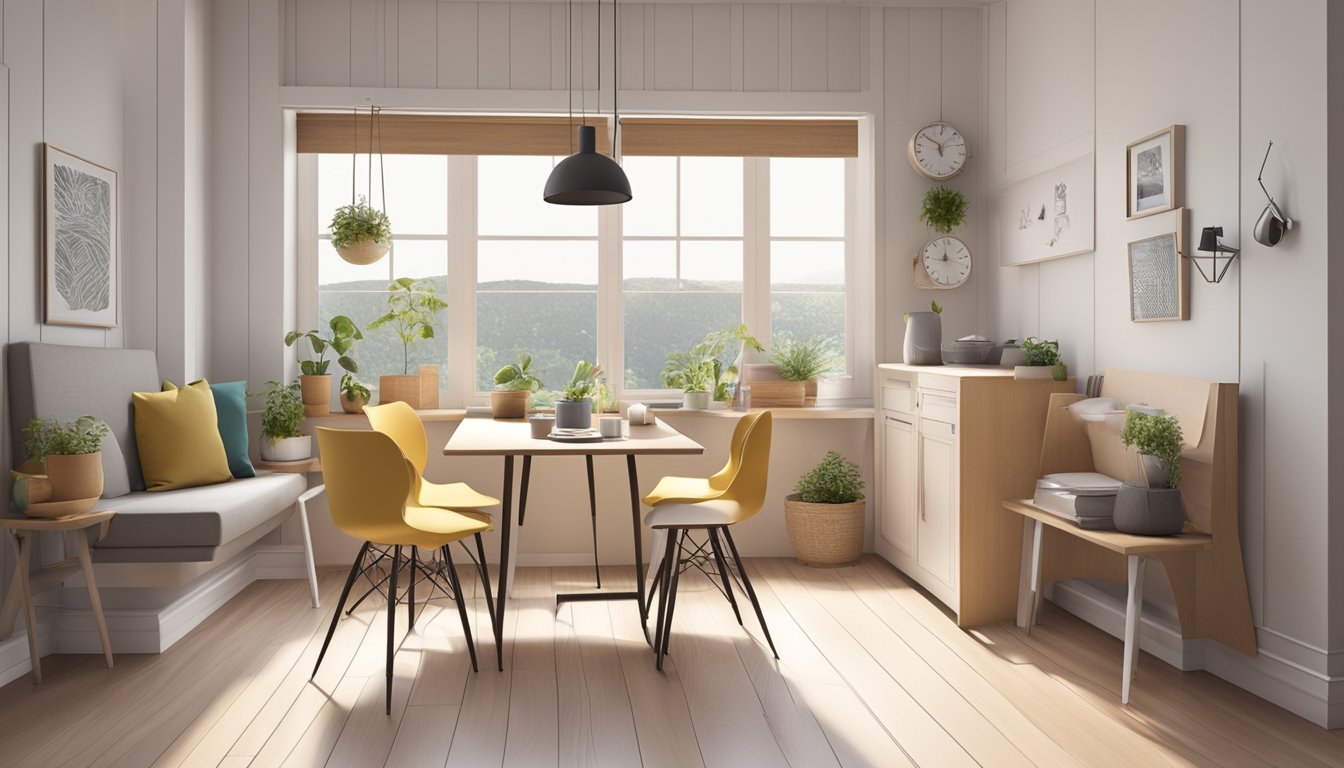
Use a bench on one side of the table and slim chairs on the other. A bench can tuck under the table after meals, while chairs give better comfort for daily use. Stackable chairs also help when extra guests come over.
What table shape is best for a small dining space?
A round table works best for tight corners and small square spaces because it improves movement around the table. A rectangular table works better against a wall. An extendable table is best when the home needs daily space and occasional hosting space.
Can I combine my living room and dining room?
Yes. Keep the dining table close to the kitchen path, then use lighting, a rug, or a nearby cabinet to define the area. Avoid placing a large table directly behind a bulky sofa because both pieces will compete for walking space.
What is a good alternative to a traditional dining table?
A wall-side table, bar-height table, kitchen island, or foldable table can work in a studio or compact HDB flat. Choose a fixed compact table if you eat at home daily because it will feel more stable and convenient.
How much space should I leave behind dining chairs?
Leave around 90-100 cm behind dining chairs where possible. For tight homes, mark the table and chair pull-out area on the floor before buying so you can test the walkway in real life.
Since late 2025, a growing share of Megafurniture's furniture range has come from its own factories in Batu Pahat, Johor and Foshan, Guangdong. Quality checks happen in-house before pieces ship to Singapore, where delivery and professional assembly are handled locally. The programme does not cover the whole range yet, but it is expanding through 2028.