


A portable aircon inverter is worth considering if you need flexible cooling for a bedroom, study room, rental flat, or temporary setup where a fixed split system is not practical. For most Singapore homes, it is best treated as a targeted cooling solution, not a full replacement for a built-in aircon system. A portable aircon unit works hardest when the room is closed, the exhaust hose is fitted properly, and the space is realistic for the unit’s capacity.
Renovation just completed, the walls are fresh, and the furniture is finally in place. Then comes the first hot night in the study room, and suddenly the “later then install aircon” decision feels very optimistic.
What is a portable aircon inverter?
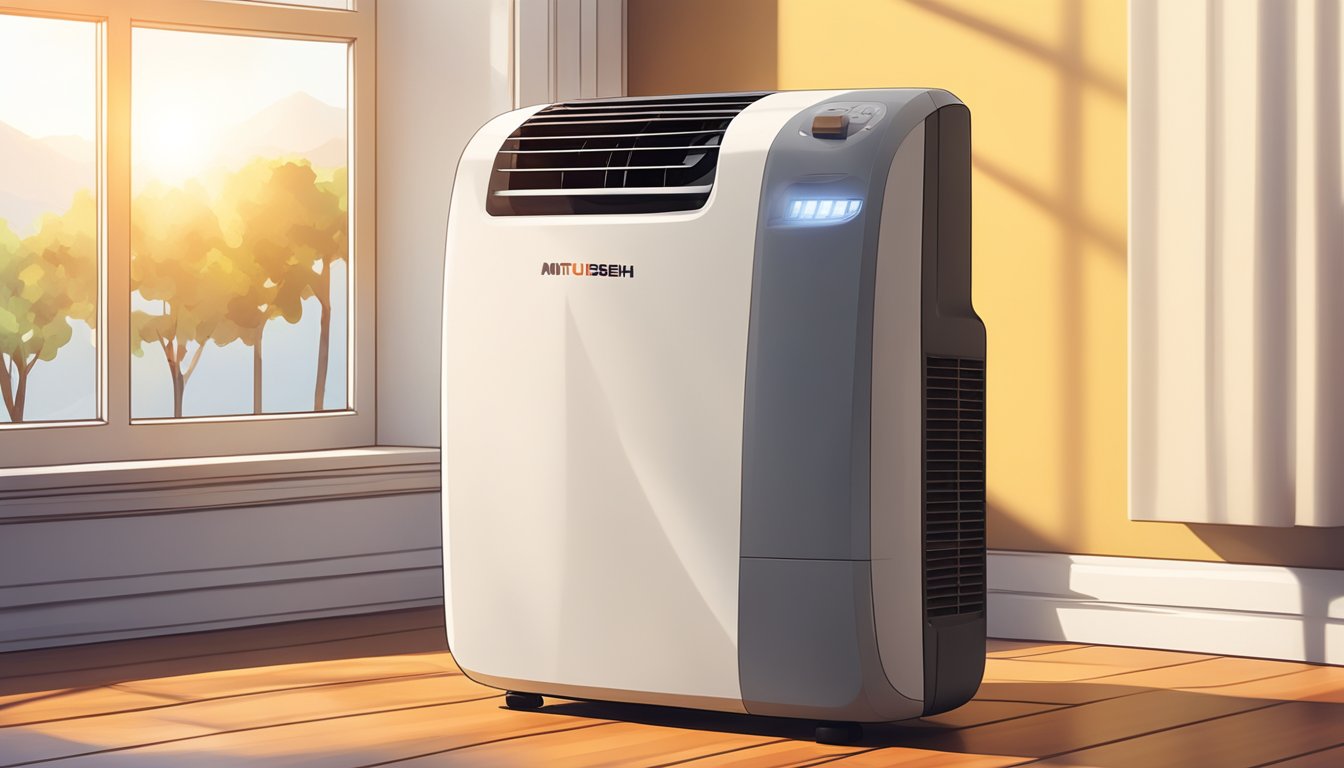
A portable aircon inverter is a movable aircon that uses inverter technology to adjust compressor output instead of simply switching fully on and off. In simple terms, it aims to cool more steadily and manage energy use more efficiently than a basic non-inverter model.
The appeal is obvious in Singapore. Many HDB bedrooms, rental rooms, home offices, and compact condo layouts need cooling without hacking, trunking, or a permanent wall-mounted unit. A portable aircon unit gives you that flexibility, provided you accept the trade-offs.
The clear position: a portable aircon inverter is a smart second-room solution, but it is rarely the best whole-home cooling plan. Use it for one enclosed space. Do not expect it to cool an open living-dining area with the same ease as a properly sized split system.
Portable aircon inverter vs mini aircon vs movable aircon
These terms are often used loosely, but they do not always mean the same thing.
| Cooling option | Best for | What to watch |
|---|---|---|
| Portable aircon inverter | Bedrooms, study rooms, rental rooms, temporary cooling | Needs a window exhaust setup and closed-room use |
| Mini aircon | Desk-side personal cooling or very small spaces | Often less powerful than a true air conditioning unit |
| Movable aircon | Homes where cooling needs shift between rooms | Still needs venting, floor space, and drainage checks |
| Fixed split aircon | Long-term cooling for frequently used rooms | Requires installation, servicing access, and renovation planning |
If you only want cool air while working at a desk, a mini aircon or fan may be enough. If you want to lower the temperature of a closed bedroom before sleep, an aircon unit portable enough to move but strong enough to vent heat outside is the more serious option.
Is a portable aircon unit good for Singapore weather?
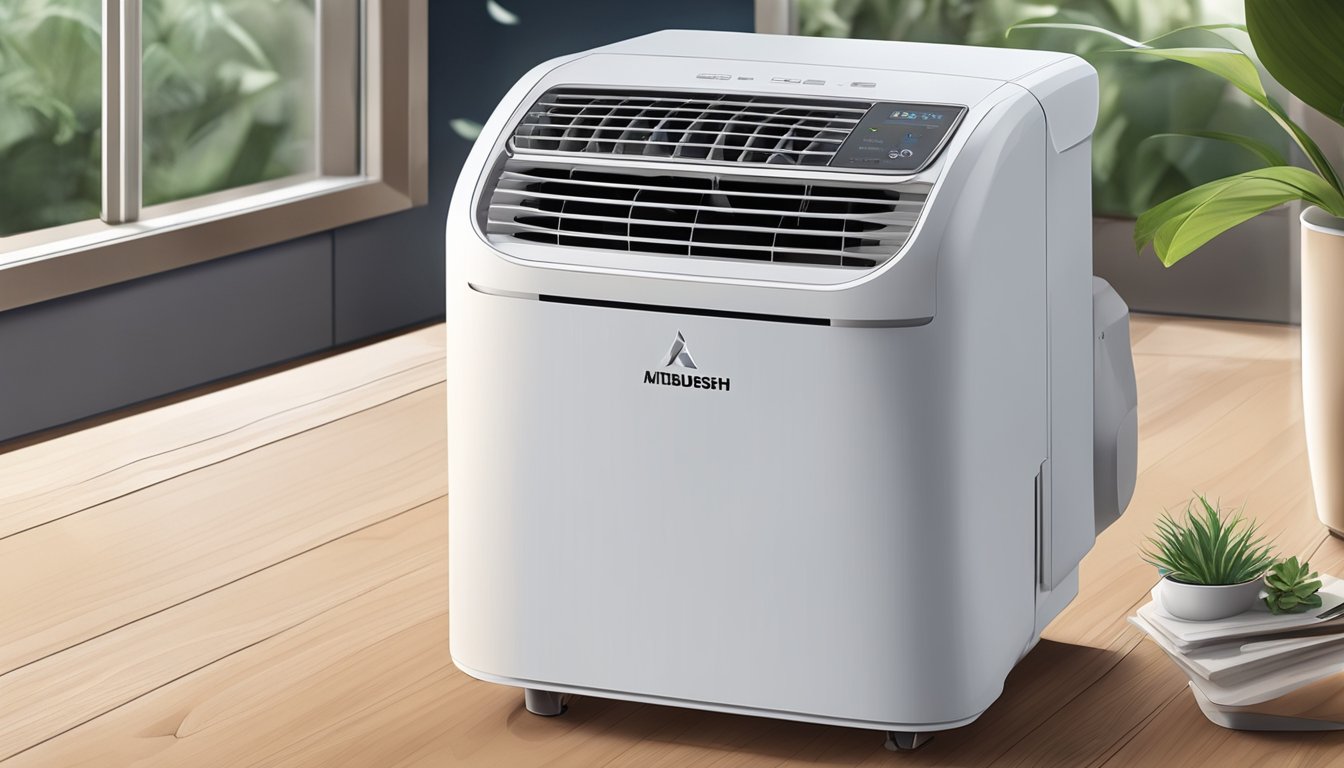
Yes, but only when used realistically. Singapore’s heat is not just about temperature. Humidity makes rooms feel heavier, especially in flats that get afternoon sun or rooms without regular aircon use.
A portable aircon inverter can make a bedroom or small study more comfortable by cooling the air and helping reduce that sticky indoor feeling. The unit needs a proper exhaust hose because heat has to leave the room. If the hose is loose, the window kit is poorly sealed, or the door is left open, the unit works harder and the room cools more slowly.
This is where many buyers get disappointed. The product is not always the problem. The setup is.
Who should buy a portable aircon inverter?
Choose it for a rental room
If you cannot drill, run trunking, or make permanent changes, a portable aircon unit is practical. It can move with you when the lease ends, which is a real advantage for renters.
Choose it for a home office
WFH becoming permanent changes the way one room behaves. The dining table is no longer just for meals, and the spare room may now run warm from laptops, monitors, and closed doors. A movable aircon can cool the room you are actually using instead of cooling the whole flat.
Choose it for temporary cooling after renovation
Some homeowners move in before every installation decision is final. A portable aircon inverter can help bridge that gap while you decide whether a permanent system is worth adding.
Think twice for large open spaces
If the goal is to cool an open-plan living room, a portable aircon unit may struggle. Open doors, long layouts, and heat from kitchens make portable cooling less efficient. In that case, a ceiling fan, fixed aircon planning, or a combination of both may be more sensible. You can also browse ceiling fans for everyday air circulation if you need a lower-commitment way to keep living spaces more comfortable.
What should you check before buying an aircon unit portable enough for daily use?
- Window access: Most portable aircon units need a window exhaust kit. Check whether your window type can hold the hose securely.
- Room size: Buy for the room you will actually cool, not the largest room in the flat.
- Floor space: A movable aircon still takes up space beside a wall, window, or desk.
- Noise comfort: Portable units sit inside the room, so sound matters more than it does with split systems.
- Drainage and maintenance: Check how the unit handles condensation and how easy the filter is to clean.
- Power point location: Avoid stretching cables across walkways, especially in bedrooms and study rooms.
For appliance purchases, local support matters more than many buyers realise. Every order ships locally, and after-sales support is handled from Singapore. Complimentary delivery and professional installation are available on qualifying orders. The team is reachable at +65 6950-2657, Monday to Friday, 9am to 6pm.
Mitsubishi Portable Aircon: What To Consider Before Choosing One

Mitsubishi is a familiar name in air conditioning, but the right purchase should still come down to room use, cooling capacity, installation limits, and daily comfort. Do not buy on brand name alone. A well-matched portable aircon inverter will feel more useful than a powerful unit placed in the wrong room with poor venting.
If you are comparing models, check whether the product listing clearly states inverter capability, cooling capacity, operating modes, exhaust requirements, and warranty support. If a claim sounds vague, treat it as something to verify before checkout.
You can browse home appliances for Singapore homes to compare cooling and household options that suit compact HDB, BTO, and condo living.
How to make a portable aircon unit cool better
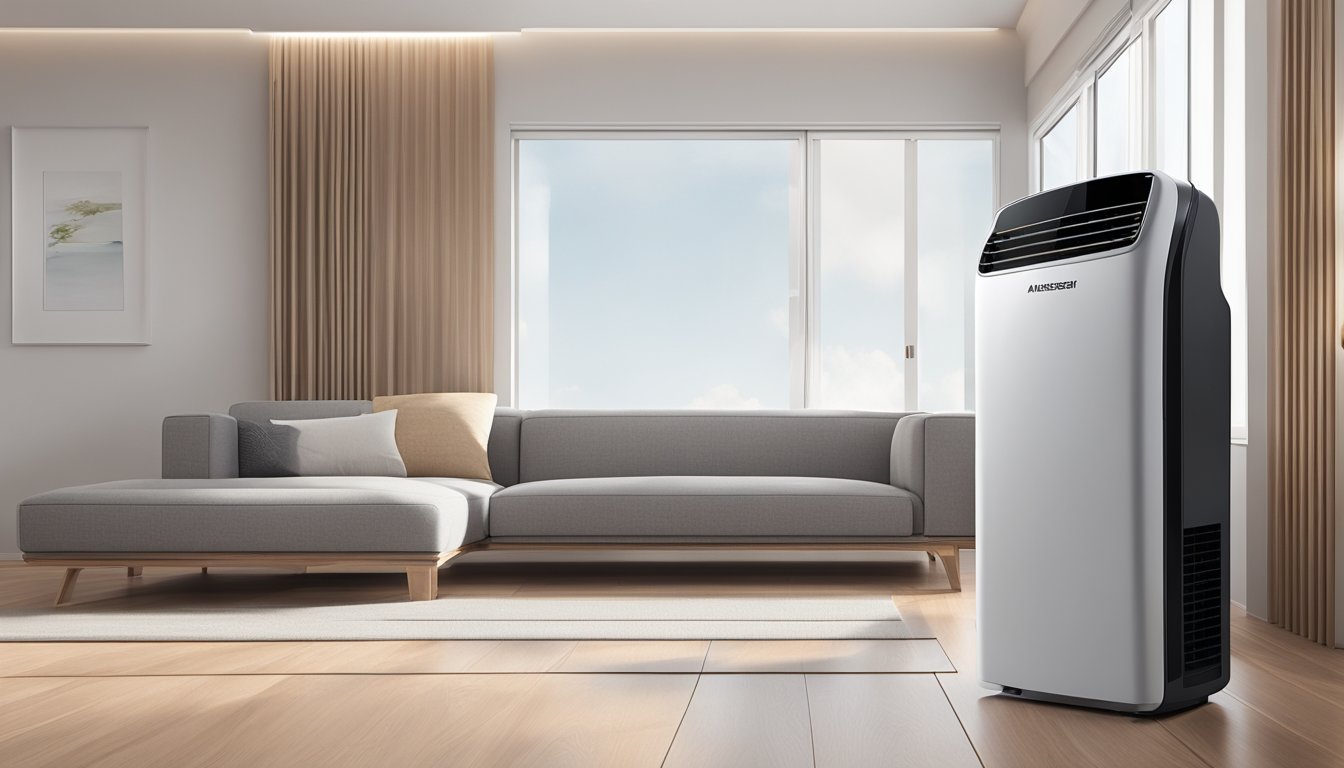
- Close the room door before switching it on.
- Seal the window exhaust kit as tightly as possible.
- Keep curtains closed in west-facing rooms during hot afternoons.
- Clean the filter regularly so airflow stays strong.
- Place the unit near the window, but keep the air outlet clear.
- Use a fan to move cooled air across the room if needed.
A portable aircon inverter works best when the room is prepared for it. Think of it as a cooling tool with conditions, not a magic box that defeats Singapore heat from the corner of an open room.
Frequently asked questions
Is a portable aircon inverter cheaper to run?
It can be more energy-conscious than a basic non-inverter unit because inverter technology adjusts output more gradually. Actual running cost still depends on room size, temperature setting, insulation, venting, and how long the unit runs.
Can a mini aircon cool a bedroom?
A mini aircon may help with personal cooling near a desk or bedside area, but it is usually not the same as a full portable aircon unit. For a closed bedroom, choose a proper aircon unit portable enough for your layout and matched to the room size.
Does a movable aircon need a window?
Most true portable air conditioners need a window or opening for the exhaust hose. Without proper venting, hot air stays in the room and cooling performance drops.
Is a portable aircon unit good for HDB flats?
Yes, especially for rental rooms, studies, and bedrooms where fixed installation is not possible or not yet planned. It is less suitable for large open spaces or rooms without a practical exhaust point.
Should I choose a portable aircon inverter or a ceiling fan?
Choose a portable aircon inverter if you need actual cooling in an enclosed room. Choose a ceiling fan if you mainly need air movement and lower daily energy use in a living area. In many Singapore homes, the best answer is aircon for sleep or focused work, and fan support for everyday comfort.