


Renovation is finally done. The cabinets are in, the hob is chosen, and now the hood decision is sitting there quietly, waiting to affect every stir-fry, soup boil, and late-night supper session.
Choose a chimney hood if you cook heavily and have enough wall space, but choose a slimline hood if you want a cleaner cabinet look in a compact HDB, BTO, or condo kitchen. A chimney hood gives stronger visual presence and usually better extraction for serious cooking. A slim hood, especially a slimline hood fitted under or within cabinetry, is usually the more practical choice when storage, headroom, and a neat kitchen profile matter more.
Chimney Hood vs Slimline Hood: What Is the Difference?
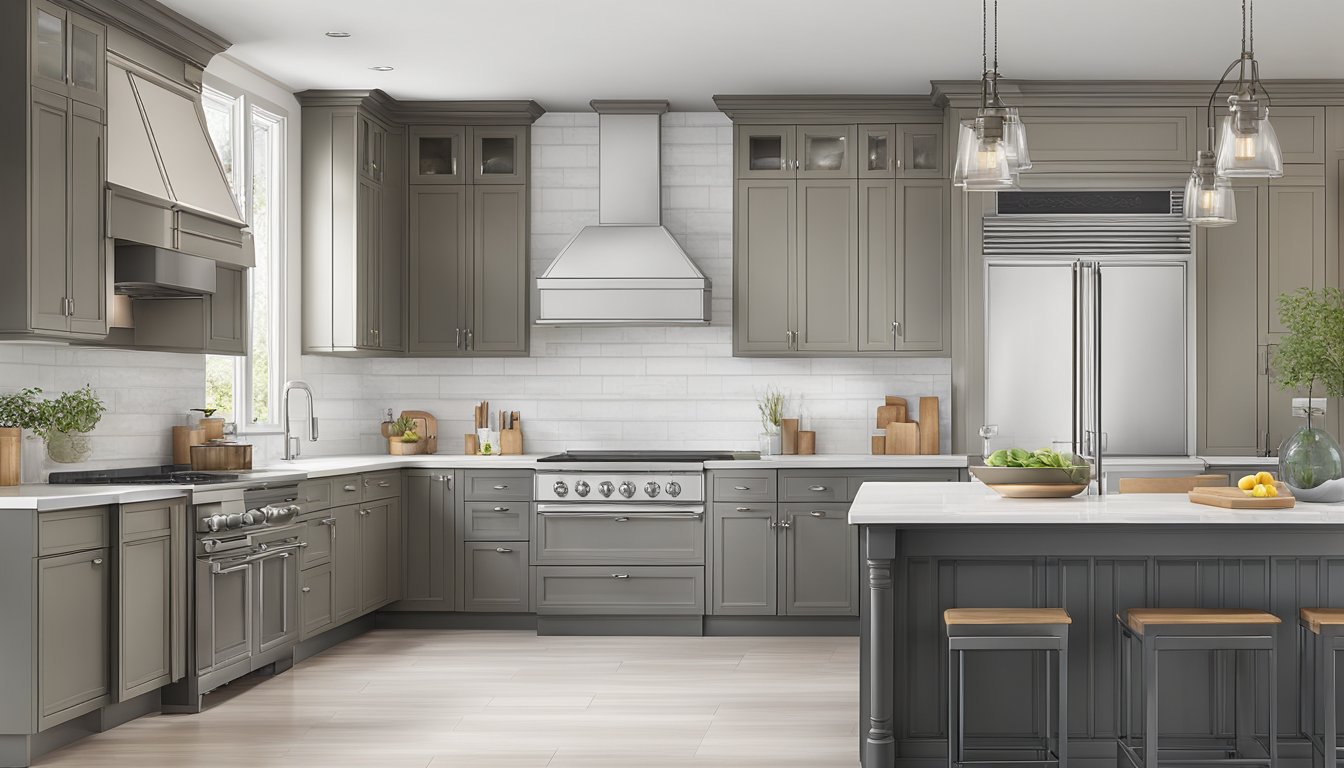
A chimney hood is a wall-mounted cooker hood with a visible vertical flue or chimney section above the extraction body. It tends to look more prominent, which suits larger kitchens, open-plan layouts, and homes where the hood is part of the kitchen design.
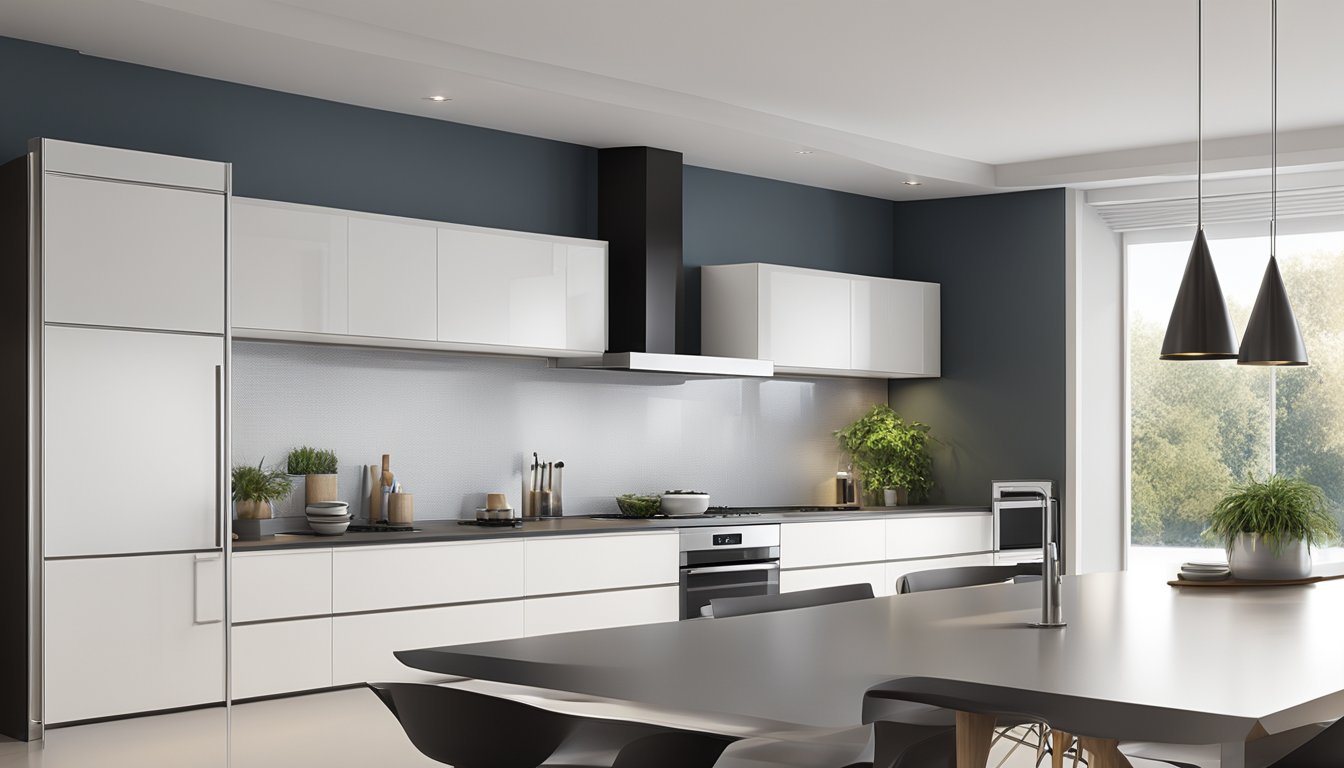
A slimline hood is more compact. It is usually installed under a cabinet or integrated into the kitchen cabinetry, making it less visually demanding. In many Singapore kitchens where every upper cabinet matters, a slim hood feels less bulky and keeps the wall line cleaner.
The real difference is not just style. It is how you cook, how much cabinet space you can spare, and how much visual weight your kitchen can handle.
Which Cooker Hood Is Better for HDB and Condo Kitchens?
For most HDB and compact condo kitchens, a slimline hood is the more sensible default. It saves visual space, fits neatly with overhead cabinetry, and gives everyday ventilation without making the kitchen feel top-heavy.
That said, a chimney hood earns its place if you cook often with oil, high heat, and strong aromatics. If your kitchen sees regular frying, wok cooking, or back-to-back family meals, the extra extraction performance and wider capture area can be worth the larger footprint.
Here is the practical position: in a small BTO kitchen, do not buy a chimney hood just because it looks impressive in a showroom. Buy it only if your cooking habits justify the space it takes.
Chimney Hood vs Slimline Hood Comparison Table
| Factor | Chimney Hood | Slimline Hood |
|---|---|---|
| Best for | Heavy cooking, larger kitchens, open layouts, wall-mounted hob areas | Compact HDB, BTO, condo kitchens, cabinet-focused designs |
| Look | Bold and visible, often used as a kitchen feature | Discreet, simple, and easier to blend into cabinets |
| Space use | Needs more vertical and wall space | Fits under or within upper cabinets |
| Cooking performance | Generally better for smoke, grease, and frequent high-heat cooking | Good for light to moderate daily cooking |
| Maintenance | More exterior surface to wipe and clean | Usually simpler to access and clean, depending on filter design |
| Who should avoid it | Small kitchens where upper cabinet space is already limited | Homes that cook heavily and need stronger extraction every day |
Choose a Chimney Hood If You Cook Heavily
A chimney hood makes sense if your kitchen produces more smoke, steam, and grease than average. Think frequent frying, chilli paste, grilled meats, or large family cooking sessions. In those homes, extraction is not a nice bonus. It protects cabinets, reduces lingering smells, and makes the kitchen easier to clean.
Chimney hoods also work well in larger resale flats, landed homes, and open kitchens where the hood has enough wall space to sit naturally. If your kitchen design already has a strong focal point around the hob, a chimney hood can look intentional rather than bulky.
The honest trade-off is space. A chimney hood can interrupt upper cabinetry, draw attention to itself, and feel oversized in a narrow galley kitchen. If you are already short on storage, that visual drama may not be worth it.
Choose a Slimline Hood If You Want a Cleaner Cabinet Look
A slimline hood is ideal for homeowners who want practical ventilation without making the hood the centre of attention. It works especially well in newer BTO kitchens, compact condos, and households that cook regularly but not heavily.
The biggest advantage of a slim hood is how quietly it fits into the kitchen plan. You can keep more cabinet frontage, maintain a neat horizontal line, and avoid the feeling of a large metal structure hanging above the hob.
A slimline hood is also a good choice for open-plan homes where the kitchen connects to the dining or living area. A less bulky hood helps the whole space feel calmer, especially when the kitchen is visible from the sofa or dining table.
Browse Megafurniture’s cooker hood collection if you are comparing compact, under-cabinet, and wall-mounted options for your kitchen layout.
Ducted or Recirculating: Which One Should You Pick?
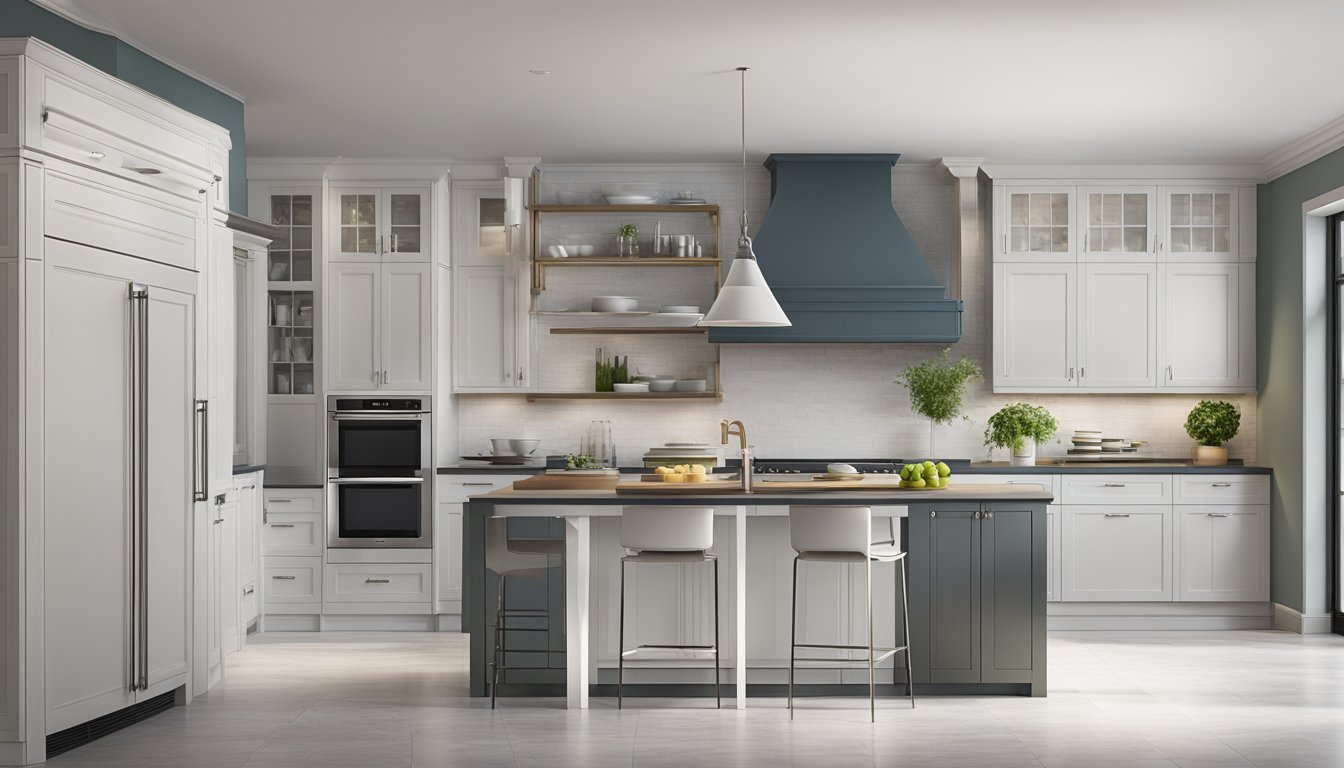
Both chimney hoods and slimline hoods can come in ducted or recirculating formats, depending on the model and installation setup.
A ducted hood moves cooking fumes out through ducting, which can be more effective when properly planned. This is especially useful for households that cook often and want stronger odour removal.
A recirculating hood filters the air and releases it back into the kitchen. This can be easier to work into some flats, especially when ducting is difficult or not part of the renovation plan. The trade-off is that filters need proper upkeep, and odour removal depends heavily on the filter system being maintained.
If you are still planning your kitchen layout, decide on the hood before confirming the carpentry. Waiting until the cabinets are built often leaves you choosing the hood that fits, not the hood that suits your cooking.
What to Check Before Buying a Slim Hood or Chimney Hood
1. Your cooking style
If you cook light meals, boil soup, steam dishes, and stir-fry occasionally, a slimline hood is usually enough. If you fry, grill, or cook with strong spices often, lean towards a chimney hood with stronger extraction.
2. Your cabinet plan
A slim hood preserves the clean look of overhead cabinets. A chimney hood may require a break in the cabinet run, which can reduce storage. In a small HDB kitchen, that lost storage can be more annoying than expected.
3. Your cleaning habits
Every hood needs cleaning. Grease filters, exterior surfaces, and nearby cabinets all collect residue over time. A slimline hood may look easier to live with, but it still needs regular filter care to perform properly.
4. Your renovation timeline
Confirm the hood size, ducting needs, power point, and installation position before final carpentry measurements. This avoids last-minute gaps, awkward cabinet cuts, or a hood that sits too low above the hob.
For a more complete kitchen setup, you can also compare kitchen hobs and kitchen cabinets so the cooking zone works as one system, not three separate purchases.
Installation and After-Sales Support Matter
A cooker hood is not the kind of appliance you want to guess your way through. Fit, height, ducting, power access, and filter clearance all matter. Every order ships locally, and after-sales support is handled from Singapore. Complimentary delivery and professional installation are available on qualifying orders. The team is reachable at +65 6950-2657, Monday to Friday, 9am to 6pm.
Slimline Hood or Chimney Hood?
Choose a slimline hood if your kitchen is compact, cabinet space is limited, and your cooking is mostly light to moderate. It is the better everyday fit for many Singapore apartments because it gives you ventilation without visually crowding the kitchen.
Choose a chimney hood if you cook heavily, have enough wall space, and want stronger extraction for smoke, steam, and grease. It is less discreet, but in the right kitchen, it does more work.
The best hood is not the biggest one. It is the one that matches how you actually cook after renovation excitement fades and weekday dinners begin.
Every order ships locally, and after-sales support is handled from Singapore. Complimentary delivery and professional installation are available on qualifying orders. The team is reachable at +65 6950-2657, Monday to Friday, 9am to 6pm.
Frequently Asked Questions
Is a slimline hood good for HDB kitchens?
Yes. A slimline hood is often a good fit for HDB kitchens because it takes up less visual and cabinet space than a chimney hood. It works best for light to moderate cooking.
Is a chimney hood better than a slim hood?
A chimney hood is usually better for heavier cooking because it tends to offer stronger extraction and a larger capture area. A slim hood is better when the kitchen is small and you want a cleaner cabinet look.
Can a slimline hood handle frying?
A slimline hood can handle occasional frying, especially if the model has suitable extraction power and clean filters. For frequent frying or wok cooking, a chimney hood may be the safer choice.
Should I choose a ducted or recirculating cooker hood?
Choose a ducted hood if your renovation allows proper ducting and you want stronger odour removal. Choose a recirculating hood if ducting is not practical, but remember that filters need regular maintenance.
When should I choose my cooker hood during renovation?
Choose your cooker hood before finalising kitchen carpentry. The hood affects cabinet dimensions, power point placement, ducting plans, and the space above your hob.