


An LG aircon SG wall unit air conditioner can suit a Singapore bedroom, study, or living room if the cooling capacity, outdoor condenser setup, energy rating, noise level, and installation route fit the home. For most HDB and condo buyers, the smartest choice is not the flashiest wall-mounted unit. It is the system that cools the right room size, fits the approved installation path, and has local support after installation.
You have got the BTO keys, and the flat is bare concrete except for a long list of decisions. The aircon trunking route, bedroom layout, wardrobe position, and future bed placement all need to make sense before the wall unit goes up.
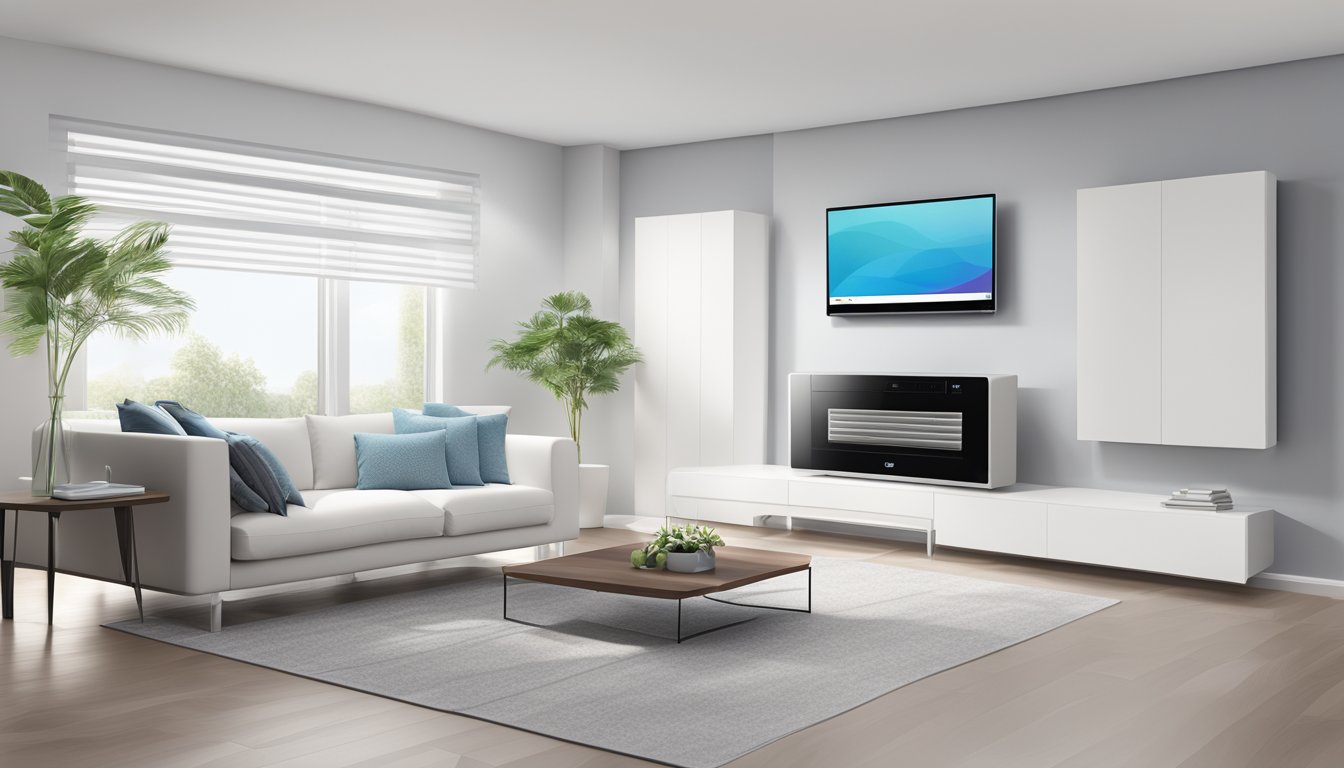
What is a wall unit air conditioner?
A wall unit air conditioner usually refers to the indoor wall-mounted unit of a split aircon system. In Singapore homes, this is the fancoil mounted high on the bedroom or living-room wall, connected to an outdoor condenser through refrigerant piping and drainage.
This is different from a portable air conditioner or a window-style unit. A wall-mounted split aircon needs proper installation, drainage, electrical planning, and outdoor unit placement. It is not a plug-in appliance you casually move from room to room.
Browse air conditioners in Singapore if you are comparing wall-mounted systems, single-room setups, and multi-room cooling options.
Is an LG aircon SG wall unit good for Singapore homes?
An LG aircon SG wall unit can be a good choice if the model suits your room size, cooling habits, efficiency expectations, and installation plan. The brand name helps shoppers start the search, but the model specification decides the result.
For most Singapore homes, choose the aircon by room and usage first, then brand. A west-facing bedroom used nightly needs a different cooling plan from a spare study used twice a week. A living room with afternoon sun also needs more careful capacity planning than a shaded bedroom.
| Room situation | What to check | Why it matters |
|---|---|---|
| Bedroom used every night | Quiet operation, suitable cooling capacity, timer controls | Comfort and noise matter more during sleep |
| West-facing room | Cooling capacity and heat load | Afternoon sun can make the room harder to cool |
| Living room | Room size, open layout, airflow direction | Larger open spaces need more careful planning |
| Study or WFH room | Energy use, fan speed, direct airflow control | Long working hours can affect electricity cost and comfort |
| Multiple bedrooms | Single-split or multi-split system | The condenser setup affects cost, space, and future servicing |
LG aircon SG buying checklist

A proper LG aircon SG buying checklist should go beyond the wall unit design. Look at the outdoor unit, fancoil combination, energy label, servicing access, warranty terms, and installer requirements. A good aircon decision is part product, part installation.
| Buying factor | What to ask | Why it matters |
|---|---|---|
| Cooling capacity | Is it suitable for the room size and sun exposure? | Undersized units work harder and may cool poorly |
| Energy rating | What is the NEA tick rating and annual energy consumption? | Higher efficiency can reduce running-cost pressure over time |
| System type | Single-split, system 2, system 3, or system 4? | Different homes need different condenser and fancoil setups |
| Noise level | Is the indoor unit suitable for bedrooms? | Low noise matters more at night than in daytime living spaces |
| Controls | Remote, timer, Wi-Fi, app, or smart features? | Convenience varies by model and should be checked before buying |
| Servicing access | Can technicians reach the unit and drainage route easily? | Maintenance becomes harder when the unit is placed awkwardly |
Browse System 1 air conditioners if you are cooling one bedroom, study, or compact room and do not need a multi-room setup.
Wall unit air conditioner vs portable air conditioner
A wall unit air conditioner is usually better for long-term daily cooling. A portable air conditioner is easier to move, but it still needs exhaust venting and may not feel as tidy or efficient for regular home use.
The honest trade-off is installation. A wall-mounted split system takes more planning and professional work upfront. Once installed properly, it usually feels more integrated into the home. A portable unit avoids permanent installation, but it takes floor space and needs a window or venting solution.
| Choice | Best for | Watch out for |
|---|---|---|
| Wall unit air conditioner | Bedrooms, living rooms, long-term daily cooling | Needs professional installation and drainage planning |
| Portable air conditioner | Temporary cooling, rental situations, flexible use | Needs exhaust venting and takes floor space |
| Ceiling or corner fan | Air circulation and lower-energy comfort support | Does not lower room temperature like aircon |
How many wall units do you need?
The number of wall units depends on how many rooms you want to cool. A System 1 setup cools one room. Multi-split setups can serve several rooms using one outdoor condenser, depending on the configuration and model compatibility.
If you cool only the master bedroom at night, a single-room setup may be enough. If you want cooling across several bedrooms, compare multi-split options early, before renovation or carpentry makes trunking routes more awkward.
Browse 4-tick air conditioners if energy rating is a key part of your shortlist and you want to compare more efficient options available on the site.
Installation checks before buying a wall unit air conditioner
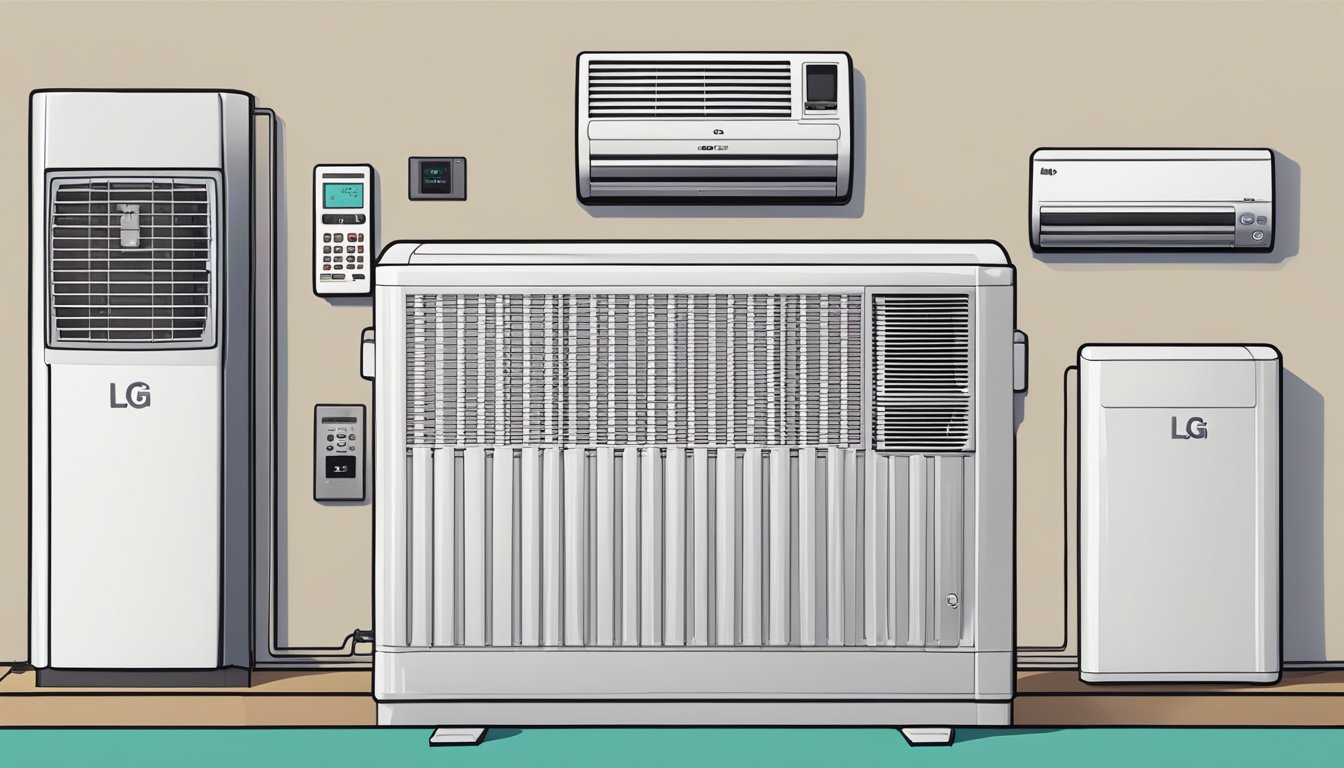
Aircon installation affects how the home looks and how easy the system is to maintain. Do not leave it until after wardrobes, curtains, feature walls, and built-ins are finalised. The wall unit should not blow directly at your face in bed, fight with wardrobe height, or block curtain movement.
- Check where the indoor unit will sit on the wall.
- Confirm where the outdoor condenser can be placed.
- Plan trunking before wardrobes, headboards, and built-ins are installed.
- Check the drainage route so water does not become a future headache.
- Confirm electrical requirements with a qualified installer.
- Keep the unit accessible for filter cleaning and servicing.
- Check HDB, condo, or building management rules where relevant.
Every order ships locally, and after-sales support is handled from Singapore. Complimentary delivery and professional installation are available on qualifying orders. The team is reachable at +65 6950-2657, Monday to Friday, 9am to 6pm.
Energy rating and running cost
In Singapore, the NEA energy label is one of the most useful checks when comparing air conditioners. It helps shoppers compare efficiency ratings, annual energy consumption, and estimated annual energy cost under standard assumptions. Higher tick ratings generally point to better efficiency, but the right size and usage habits still matter.
A more efficient aircon can still waste energy if it is too small for the room, poorly installed, rarely serviced, or used with open windows. A lower upfront price can look attractive until the unit runs long hours every night.
Maintenance matters after installation
A wall unit air conditioner needs regular care. Clean filters help airflow, reduce musty smells, and keep the system from working harder than necessary. Professional servicing also matters because drainage, coils, refrigerant lines, and outdoor units are not things most homeowners should handle themselves.
If the room starts smelling damp, cooling feels weaker, or water drips from the indoor unit, do not ignore it. Small aircon issues can become ceiling, wall, and furniture issues if they are left too long.
Browse air cooling and air care products if you are also planning fans, air-care appliances, or supporting airflow for warmer rooms.
Final thoughts on LG aircon SG wall units
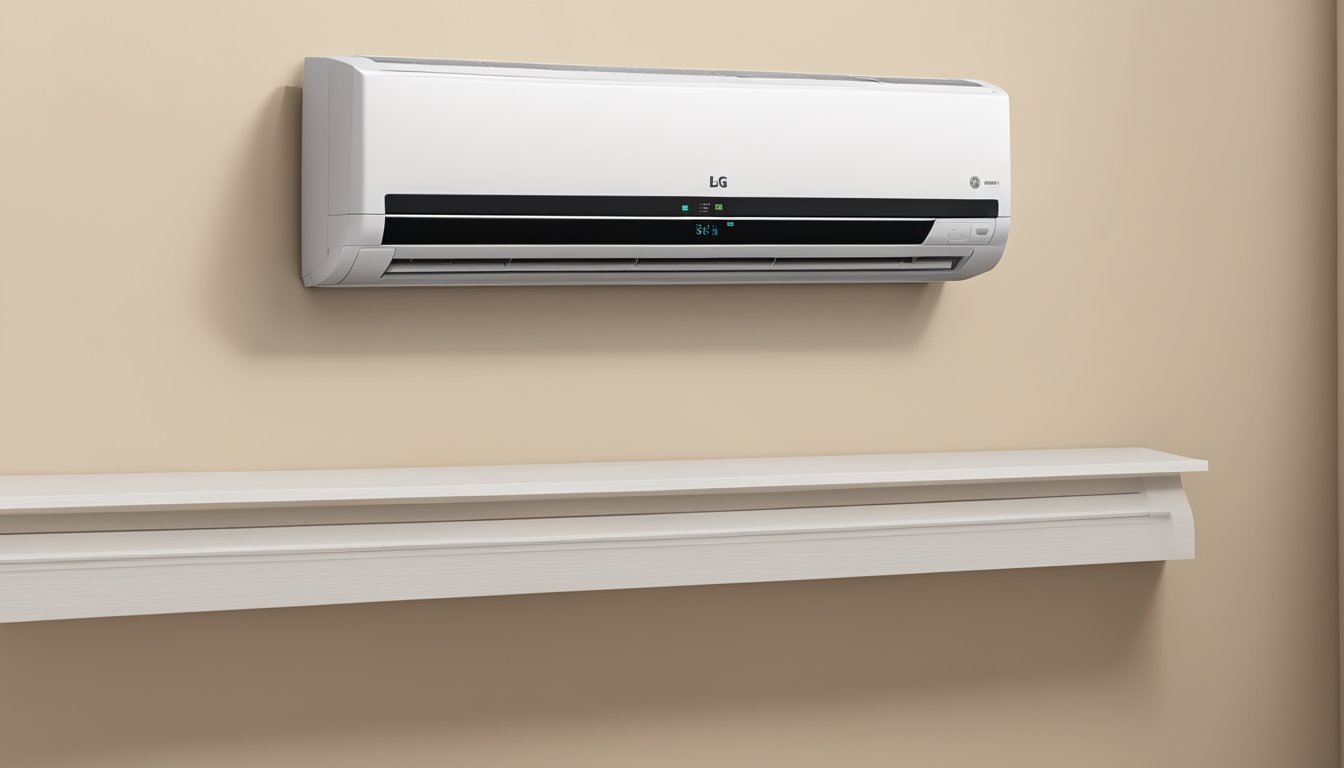
An LG aircon SG wall unit can be a sensible cooling choice if the specific model, system configuration, energy rating, and installation plan fit your home. Choose by room size, usage pattern, sun exposure, and servicing access first. The best wall unit air conditioner is the one that cools the right room comfortably without making the rest of the home harder to live with.
FAQs about LG aircon SG wall unit air conditioners
What is a wall unit air conditioner?
A wall unit air conditioner is usually the indoor wall-mounted fancoil of a split aircon system. It connects to an outdoor condenser through piping, wiring, and drainage.
Is an LG aircon SG wall unit good for HDB bedrooms?
It can be good for HDB bedrooms if the model capacity, noise level, energy rating, and installation route suit the room. Check where the unit will blow before fixing the position.
Is a wall unit air conditioner better than a portable aircon?
A wall unit air conditioner is usually better for long-term daily cooling. A portable aircon is more flexible, but it needs exhaust venting, takes floor space, and may be less tidy for regular use.
What should I check before buying an LG aircon in Singapore?
Check cooling capacity, NEA energy label, system type, noise level, installation requirements, warranty, servicing access, and whether the model is currently available locally.
Does a wall unit air conditioner need professional installation?
Yes. A wall-mounted split aircon needs professional installation because it involves condenser placement, refrigerant piping, drainage, electrical work, and safe mounting.