


Aircon compressor noise is usually caused by vibration, loose parts, a dirty unit, fan issues, electrical faults, or refrigerant-related problems. A gentle hum is normal, but loud buzzing, banging, grinding, hissing, or repeated clicking should not be ignored. If the sound is sudden, sharp, or comes with weaker cooling, switch off the unit and arrange a professional check.
Renovation is finally done, the walls are fresh, and the home should feel calm. Then the aircon starts making a sound from outside the window that is loud enough to interrupt dinner, sleep, or work-from-home calls.
In Singapore, where aircon often runs nightly, a noisy air conditioner compressor is more than an annoyance. It can point to a small maintenance issue, or it can warn you that the unit is working harder than it should.
What causes aircon compressor noise?
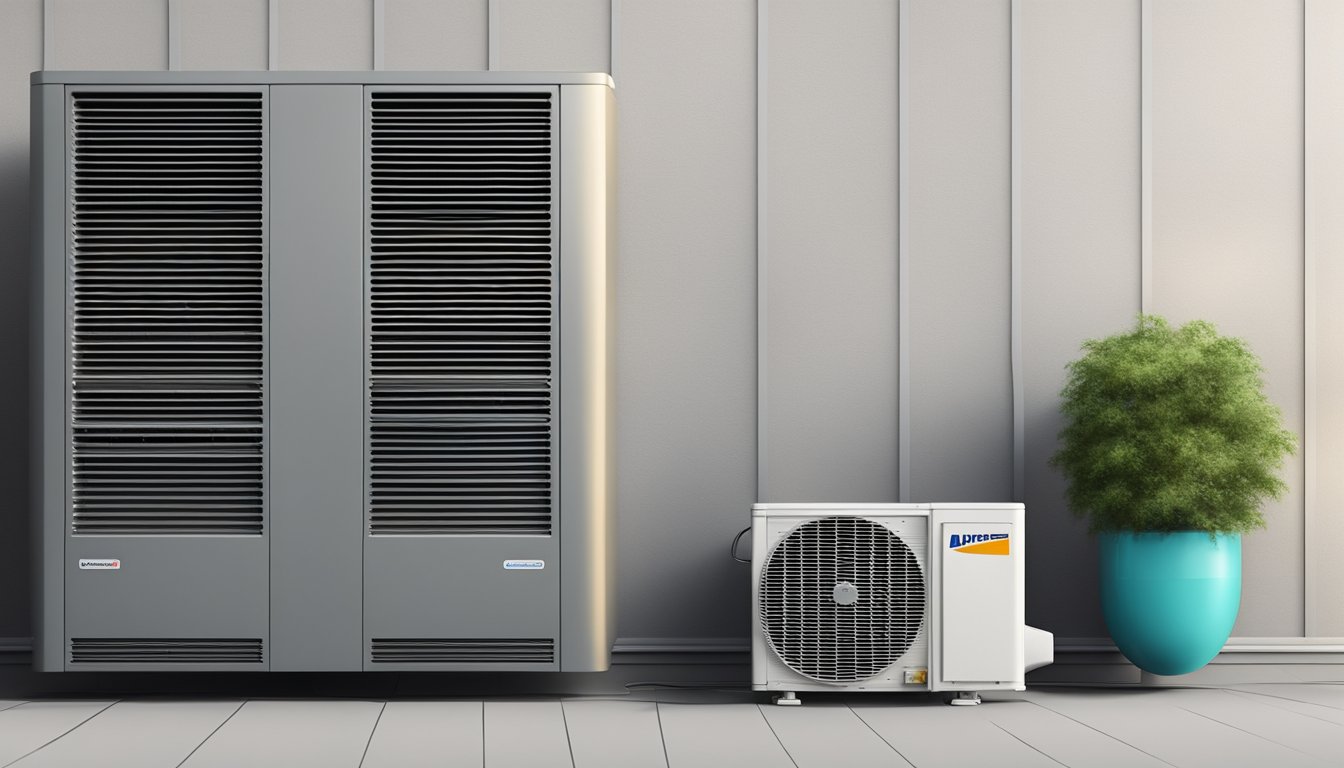
An aircon compressor sits in the outdoor condenser unit. Its job is to help move refrigerant through the cooling system so your indoor unit can produce cold air. Because it works with moving parts, pressure, fans, and electrical components, some sound is expected.
The important question is whether the sound is steady and familiar, or new and disruptive. A low hum is usually normal. A loud bang, sharp click, metallic grind, or persistent hiss deserves attention.
| Noise | Possible Cause | What To Do |
|---|---|---|
| Low humming | Normal compressor operation, mild vibration, or dirty filters | Clean the filters and monitor whether the sound gets louder |
| Loud buzzing | Loose parts, electrical issue, or a struggling fan motor | Switch off the unit if the buzzing is strong or sudden |
| Rattling | Loose screws, unstable casing, debris, or vibration against the wall bracket | Check for visible debris, then call a technician if it continues |
| Banging | Loose internal component, compressor strain, or fan imbalance | Stop using the unit and book servicing |
| Clicking | Electrical relay issue or startup problem | Call a technician if it repeats or the unit struggles to start |
| Hissing | Pressure issue or possible refrigerant leak | Switch off the aircon and get professional help |
| Grinding or squealing | Worn motor, damaged bearing, or fan issue | Do not keep running the unit |
Is aircon compressor noise normal?
Some aircon compressor noise is normal. The outdoor unit may hum when it starts, vibrate slightly while running, or make a brief click when the compressor cycles on and off.
The line is crossed when the noise becomes louder than usual, changes suddenly, or comes with poor cooling. In a Singapore bedroom, a compressor that keeps rattling through the night is not something to tolerate. It is a maintenance signal.
A noisy compressor that still cools the room can still be a problem. Cooling performance often drops later, after the unit has already been running under strain.
Common reasons your aircon compressor is noisy
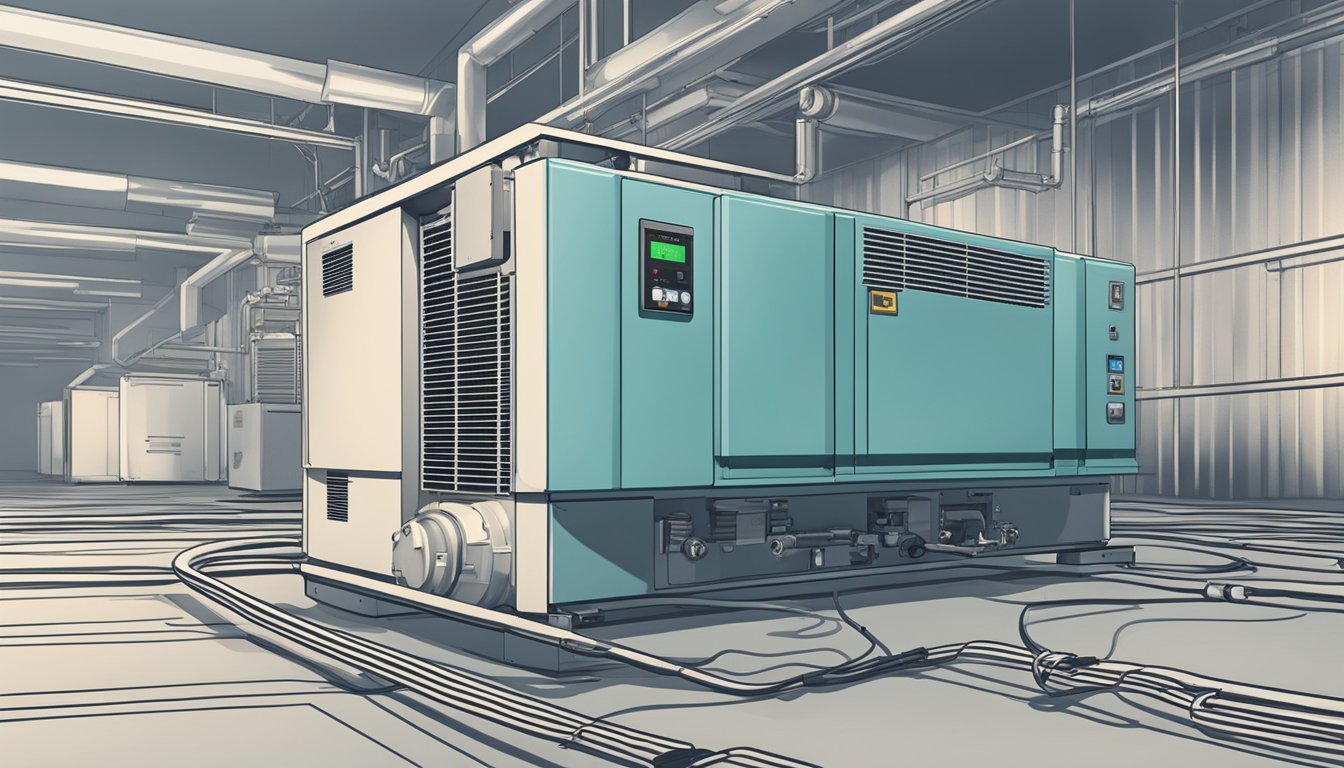
Loose screws, casing, or mounting parts
Outdoor units vibrate during operation. Over time, screws, panels, brackets, or casing parts can loosen. This often creates a rattling or buzzing sound, especially when the compressor starts.
If the unit is mounted outside an HDB or condo window, do not lean out or attempt risky checks. Look and listen from a safe position. If the sound seems to come from the outdoor unit casing, arrange servicing.
Dirt, dust, and blocked airflow
Dirty filters, clogged coils, or debris around the outdoor unit can make the system work harder. When airflow is restricted, the compressor may sound louder because it is under greater load.
Clean the indoor filters regularly and keep the area near the outdoor unit as clear as safely possible. If the unit has not been serviced for a long time, cleaning the filter alone may not be enough.
Faulty fan motor or damaged fan blade
A fan motor issue can cause buzzing, grinding, squealing, or uneven rattling. A damaged or unbalanced fan blade may also hit nearby parts, creating a repeated mechanical sound.
This is not a good DIY repair. The fan assembly sits inside the outdoor unit, and forcing the aircon to keep running can make the damage worse.
Electrical problems
Repeated clicking, loud buzzing, or trouble starting may point to an electrical issue. This could involve the relay, capacitor, wiring, or compressor start components.
Switch off the unit and call a professional. Electrical faults are not worth testing by trial and error, especially in a home appliance that runs for long hours.
Refrigerant or pressure issues
A hissing sound can suggest a pressure problem or refrigerant leak. You may also notice weaker cooling, ice forming on parts of the unit, or the aircon running longer than usual.
This needs proper diagnosis. Refrigerant handling should be done by a qualified technician, not through a quick home fix.
How to reduce aircon compressor noise safely
Start with the indoor filter
Remove and clean the indoor air filter according to your aircon model’s care instructions. A clogged filter reduces airflow and can make the whole system work harder than necessary.
Listen for the pattern
Note when the noise happens. Does it start only when the compressor kicks in? Does it continue the whole time? Does it stop when the aircon reaches the set temperature?
This simple detail helps a technician identify whether the issue is related to startup, vibration, airflow, electrical parts, or the compressor itself.
Check for safe, visible obstructions
If you can safely see leaves, plastic, or loose debris near the outdoor unit, remove only what is within safe reach. Do not open the condenser casing or climb out to inspect the unit.
Avoid covering the compressor tightly
Sound blankets and anti-vibration pads can help in some setups, but they must be suitable for the unit and installed correctly. Blocking airflow around the condenser can make the compressor hotter and noisier.
If you want to reduce vibration, ask a technician whether rubber mounts or proper repositioning will help your specific installation.
When should you call a technician for a noisy air conditioner compressor?
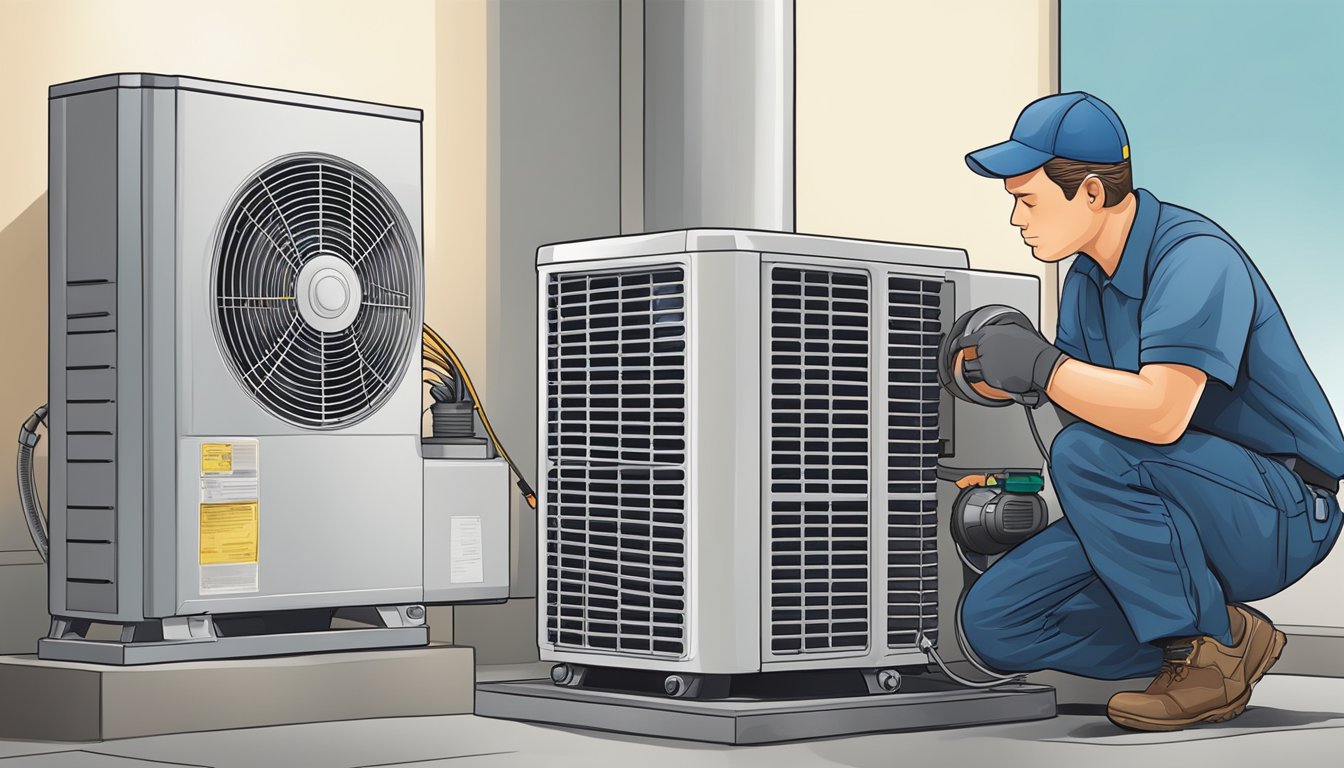
Call a technician if the noise is loud, sudden, metallic, electrical, or paired with weak cooling. You should also arrange a check if the outdoor unit vibrates heavily, the aircon trips the power, or the noise returns after basic cleaning.
For appliance purchases, local support matters. Every order ships locally, and after-sales support is handled from Singapore. Complimentary delivery and professional installation are available on qualifying orders. The team is reachable at +65 6950-2657, Monday to Friday, 9am to 6pm.
If your existing unit is old, frequently noisy, and no longer cooling well, it may be time to compare replacement options. Browse air conditioners for Singapore homes, System 1 aircon units, or System 2 aircon setups depending on how many rooms you need to cool.
Should you repair or replace a noisy aircon compressor?
If the noise is caused by dirt, loose casing, worn fan parts, or minor vibration, repair or servicing may be enough. If the compressor itself is failing, replacement can sometimes make more sense, especially if the unit is older and cooling performance has already dropped.
Take this position: if your noisy air conditioner compressor is already affecting sleep and the room still does not cool properly after servicing, stop spending on repeated quick fixes. A quieter, properly sized replacement will feel better every night, not just during the first week after repair.
Frequently Asked Questions
Why is my aircon compressor noise louder at night?
It may seem louder at night because the home and neighbourhood are quieter. The compressor may also work harder if the room has absorbed heat during the day, especially in west-facing homes.
Can a noisy air conditioner compressor be dangerous?
It can be, depending on the sound. Loud buzzing, burning smells, repeated tripping, hissing, or grinding should be treated seriously. Switch off the unit and call a technician.
Can I fix aircon compressor noise myself?
You can clean the indoor filter, check for safe visible debris, and listen for the noise pattern. Do not open the outdoor compressor unit, repair electrical parts, or handle refrigerant yourself.
Does a loud compressor mean I need a new aircon?
Not always. Some noise comes from loose parts, dirt, or worn fan components. Replacement becomes worth considering when the compressor itself is failing, repairs are frequent, or cooling performance remains poor.
What is the fastest way to reduce aircon compressor noise?
Clean the filter, stop using the unit if the sound is harsh or unusual, and arrange servicing. Anti-vibration pads may help for vibration noise, but they should not block airflow around the outdoor unit.