


Good bathroom storage keeps daily toiletries within reach, hides backup supplies and keeps wet items away from furniture that was never meant for constant moisture. For most HDB and BTO bathrooms, the smartest setup is wall storage for daily items, plastic or water-resistant drawers for wet-zone essentials and closed cabinets for towels and backup supplies outside the splash area. Small bathrooms do not need more things. They need better zones.
Renovation is finally done. The tiles look fresh, then the shampoo bottles, cleaning sprays and spare toilet rolls arrive and quietly take over every ledge.
What is the best bathroom storage for a small HDB toilet?
The best bathroom storage for a small HDB toilet is storage that keeps the floor clear and separates wet items from dry items. A compact bathroom fails quickly when everything sits on the basin counter, window ledge or shower floor. It looks messy, and it is harder to clean.
Use this simple rule: shower products belong in the wet zone, towels and spare supplies belong in a dry cabinet, and daily grooming items belong near the mirror. If a storage idea makes cleaning harder, it is not clever. It is clutter with better packaging.
| Bathroom problem | Best storage direction | Where to place it |
|---|---|---|
| Shampoo and body wash crowd the shower | Wall shelf, shower caddy or plastic drawer | Inside or just outside the wet zone |
| Towels have no proper home | Closed cabinet, hamper or shelf basket | Dry corner or outside the bathroom |
| Skincare and grooming items pile up | Tray, basket or mirror-side organiser | Vanity, wall shelf or dry ledge |
| Cleaning supplies are visible | Storage box or cabinet with doors | Under-sink area or dry utility corner |
| Bathroom floor feels cramped | Hooks, floating shelves or over-door storage | Walls, door back or unused vertical space |
15 bathroom storage solutions that actually make sense
1. Use plastic storage drawers for wet-zone essentials
Plastic drawers are practical because they handle moisture better than many wood-based options. Use them for cleaning cloths, extra soap, hair tools and daily toiletries. Keep them away from direct shower spray so water does not collect inside the drawers.

2. Stack lightweight cabinets in a dry corner
Stackable cabinets work when the bathroom has a dry corner near the entrance or basin area. Store spare toilet rolls, unopened toiletries and cleaning refills here. Avoid stacking too high if the floor is uneven or the cabinet feels light.

3. Use a chest of drawers only outside the wet zone
A chest of drawers can work near an attached bathroom, powder room or dry vanity zone, but it should not sit where water regularly splashes. Singapore humidity is already high, around 70-85%, so solid wood and moisture-sensitive boards need care. For the actual wet bathroom, choose materials that can cope with damp air and quick wipe-downs.

4. Choose wood-look storage carefully
Wood tones can make a bathroom feel warmer, but the material matters. Solid wood can expand and contract in humidity, while plywood and engineered boards are usually more dimensionally stable. Use wood-look furniture in dry areas, and wipe moisture quickly after hot showers.

5. Use baskets for items you want to see
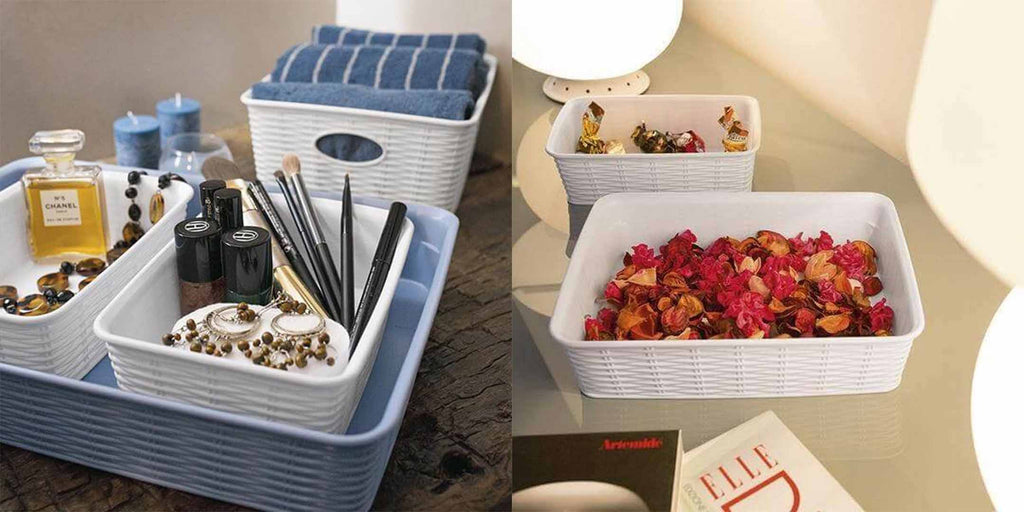
Baskets are useful for face towels, skincare, hair clips and guest toiletries. Choose washable or moisture-tolerant materials. If the basket starts holding random samples, old razors and expired products, empty it. Baskets should sort clutter, not hide it forever.
6. Keep storage boxes for backup supplies
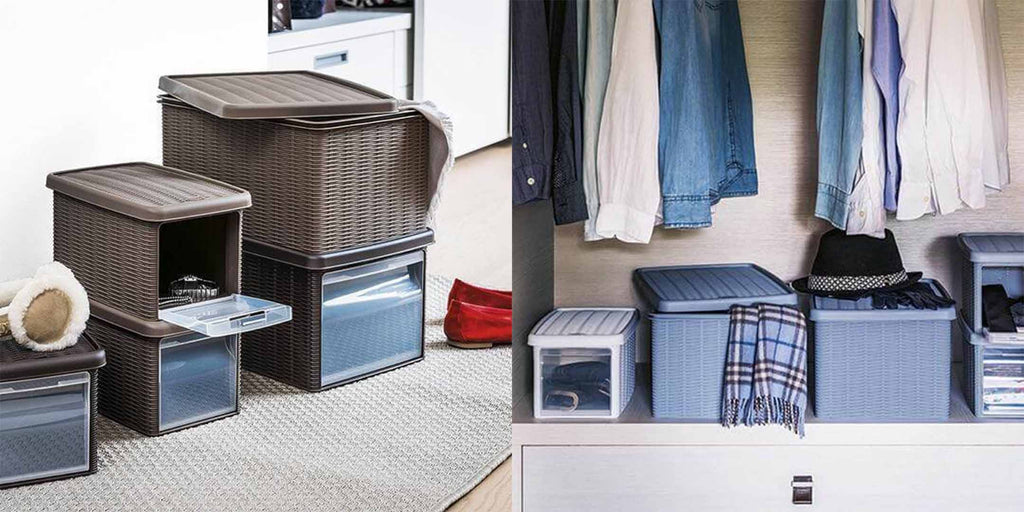
Storage boxes are best for items you do not need every morning, such as refill packs, spare soap, extra toothbrushes and cleaning products. Label them if they sit inside a larger cabinet. Clear boxes are useful when several people share the same bathroom.
7. Turn the area near the bathroom entrance into a dry zone
The space near the bathroom door is often less wet than the shower side. Use it for a slim cabinet, small shelf or basket station. This is a good place for towels, sleepwear or items you want before stepping into the shower.

8. Install wall shelves where they do real work
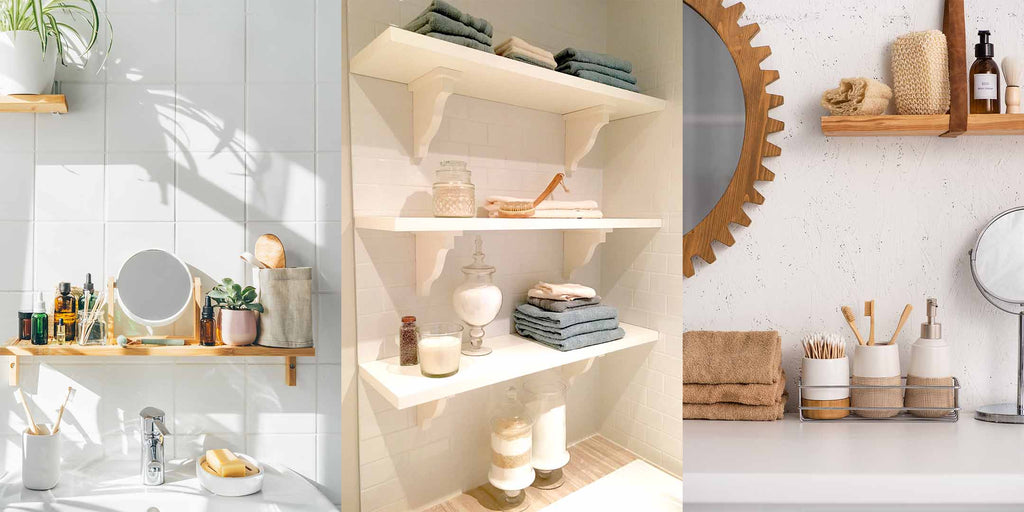
Wall shelves free up floor space, which matters in compact HDB bathrooms. Place shelves where you can reach them safely, not directly above your head or where bottles can fall into the basin. If you are drilling into tiled walls, check installation requirements first.
9. Add hooks for towels and clothes
Hooks are one of the easiest bathroom storage upgrades. Use them for towels, shower caps, robes and clothes while bathing. Place them where wet towels can dry properly, not crammed behind a door that stays closed all day.

10. Use a bathroom cart only if the floor stays dry
A cart with casters can work in a larger bathroom or dry vanity area. It is less ideal in a small wet bathroom because wheels collect grime and the cart can block movement. If you use one, keep heavier bottles on the lower tier for stability.

11. Repurpose a stool as a temporary surface
A stool can hold a towel, candle, book or basket in a dry bathroom corner. Do not use it as permanent storage if the space is wet or narrow. The moment you start moving it every time you clean, it has become an obstacle.

12. Use a bedside table only in a dry vanity area
A small bedside table can work beside a vanity mirror or outside an en suite bathroom. It should not sit next to the shower. If you want drawer storage for toiletries, browse storage cabinets and choose a unit that fits the dry zone instead of forcing bedroom furniture into a wet room.

13. Use a slim display cabinet for towels and guest items
A slim display cabinet or open shelving unit can hold rolled towels, baskets and extra toiletries in a dry bathroom-adjacent area. For open shelves, keep the number of visible items low. Too many bottles make the bathroom feel like a storeroom.

14. Keep a laundry hamper close, but not soaked
A hamper helps keep used towels and clothes off the floor. Choose one with ventilation if towels go inside, and empty it often. Damp laundry should not sit for days in a closed humid bathroom.

15. Use the back of the door for light storage
Door hooks and over-door organisers are useful for robes, towels and lightweight baskets. Keep heavy bottles off door-mounted storage because the movement can strain the fitting. This is a good solution for renters who want less drilling.
Before you buy bathroom storage furniture
Measure the bathroom, but also measure the route in. HDB internal room doors are often around 0.8 m wide, and many HDB lift openings are also around 0.8 m. Tall cabinets, display units and larger storage furniture should be checked against the lift, corridor, doorway and final corner before ordering.
Think about wet and dry zones first. If the item will sit near shower spray, prioritise plastic, metal, glass or water-resistant finishes. If it will sit outside the bathroom or in a dry vanity corner, you have more freedom to use furniture-style cabinets, drawers and shelves.
Complimentary delivery and professional assembly come with qualifying orders, which matters when a cabinet arrives in several panels and the bathroom entrance is narrow. Local support also makes the purchase less risky if a panel arrives damaged or a drawer runner needs attention.
Bathroom storage mistakes to avoid
- Putting wood furniture in the wet zone: use wood-look or furniture-style pieces only where they stay dry.
- Buying too many small organisers: several tiny baskets can make the bathroom harder to clean.
- Blocking ventilation: damp towels need airflow, especially in humid Singapore bathrooms.
- Using open shelves for everything: display daily items, but hide refills and cleaning supplies.
- Forgetting the door swing: check whether cabinets, carts and hampers block the bathroom door.
How to choose the right bathroom storage setup
If your bathroom is tiny, choose wall shelves, hooks and over-door storage first. If your bathroom has a dry corner, add a slim cabinet or drawer unit. If you have a separate vanity area, you can use more furniture-style pieces, including cabinet storage that keeps toiletries and towels behind doors.
For family bathrooms, closed storage is usually better than open shelving. It hides refills, separates everyone's items and keeps the room calmer. For guest bathrooms, one neat tray, a few hooks and a small cabinet are enough. The best bathroom storage is the setup that lets you wipe the basin, mop the floor and find a clean towel without moving half the room.
A growing share of Mega Furniture's furniture range now comes from its own factories in Batu Pahat, Johor and Foshan, Guangdong, both operational since late 2025. Quality checks happen in-house before pieces ship to Singapore, where delivery and professional assembly are handled locally. It is not the whole range yet, but the programme is expanding through 2028.
FAQs about bathroom storage
What bathroom storage is best for a small HDB bathroom?
Wall shelves, hooks, plastic drawers and slim cabinets work best because they keep the floor clearer. For very small bathrooms, use vertical storage first before adding floor-standing furniture.
Can I put wooden furniture in the bathroom?
Only if it stays in a dry zone and is wiped down regularly. Singapore bathrooms are humid, so wood and moisture-sensitive boards should not sit near direct shower spray or wet floors.
How do I make bathroom storage look less cluttered?
Use closed cabinets for refills and cleaning supplies, then keep only daily-use items visible. Matching baskets, trays and bottles can help, but reducing the number of visible items matters more.
Where should towels be stored in a small bathroom?
Store daily towels on hooks or towel bars where they can dry properly. Keep spare towels in a closed cabinet, basket or dry area outside the wet zone.
Is over-door bathroom storage a good idea?
Yes, if it holds light items such as robes, hand towels or small baskets. Avoid loading the door with heavy bottles because the movement can loosen fittings over time.