


A soft mattress can make bedtime feel more cushioned, cosy, and pressure-relieving, especially if you dislike a firm sleeping surface. But very soft does not automatically mean better. The right mattress should feel comfortable while still keeping your body properly supported through the night.
This guide explains who may enjoy a soft mattress, what materials to compare, how soft is too soft, and how to care for a plush mattress so it stays comfortable for longer.
Quick answer: A soft mattress is usually best for sleepers who enjoy a plush, cradling feel and want more cushioning around the shoulders, hips, and joints. Many side sleepers prefer a soft or very soft mattress because it can reduce pressure around the shoulders and hips, but back and stomach sleepers may need a firmer support layer to prevent the body from sinking too deeply. Test the mattress when possible and choose comfort with support, not softness alone.
Benefits of a soft mattress for comfort

Pressure relief
A soft mattress can help cushion areas that carry more pressure during sleep, such as the shoulders and hips. This is one reason many side sleepers prefer a plush mattress feel.
Contouring comfort
Soft mattress materials such as memory foam, latex, and pillow top layers can follow the body’s shape more closely than a very firm mattress. This can create a hugged, cradled sensation.
Cosier sleep feel
Some sleepers simply prefer the feeling of sinking gently into the bed. If you find firm mattresses too hard or flat, a soft mattress may feel more relaxing.
Better for some side sleepers
Side sleepers often need more cushioning at the shoulder and hip. A mattress that is too firm may feel uncomfortable in these areas, while a softer comfort layer can feel more forgiving.
Who should choose a soft mattress?
A soft mattress is not for everyone. Your body weight, sleep position, preferred feel, and support needs all matter.
| Sleeper type | Soft mattress suitability | What to check |
|---|---|---|
| Side sleepers | Often a good fit | Shoulders and hips should feel cushioned without the spine dipping too much. |
| Back sleepers | Depends on support | The lower back should feel supported, not overly sunken. |
| Stomach sleepers | Often need firmer support | The hips should not sink too deeply because this can feel uncomfortable. |
| Couples | Depends on both sleepers | Check motion isolation, edge support, and whether both partners like the same firmness. |
| Hot sleepers | Choose carefully | Look for breathable materials or cooling features, especially in foam designs. |
If you already wake up with discomfort, a mattress can influence sleep comfort, but it should not be treated as a medical fix. For ongoing pain or sleep concerns, seek guidance from a qualified healthcare professional.
How soft is a soft mattress?
Mattress firmness is often shown on a scale from 1 to 10. A very soft mattress is commonly around 1-2, while a soft mattress is often around 3-4. Medium-firm mattresses usually sit closer to the middle of the scale.
Firmness labels can vary by brand, so use them as a guide rather than a guarantee. The same mattress may feel softer to a heavier sleeper and firmer to a lighter sleeper. Always check the material, support core, and comfort layer, not just the firmness label.
Types of soft mattresses
Different mattress materials create different kinds of softness. Some feel slow and contouring, while others feel bouncier and more responsive.
Memory foam mattress
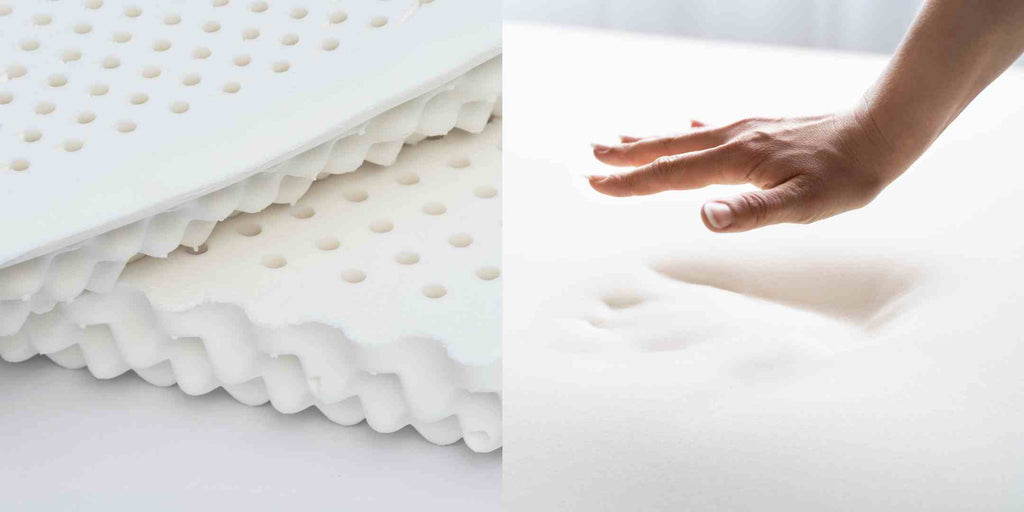
A memory foam mattress is known for close contouring. It responds to body heat and pressure, helping the surface shape around the sleeper.
- Best for: sleepers who like a hugged, pressure-relieving feel.
- Consider: heat retention, edge support, and how easy it is to change positions.
- Good feature to check: cooling foam, open-cell foam, or breathable covers.
Latex mattress
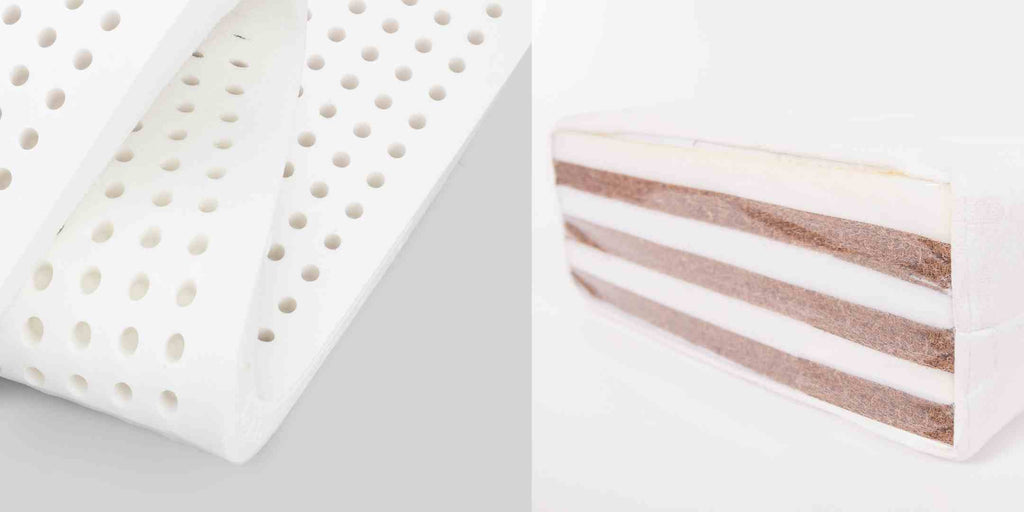
A latex mattress can offer softness with a more responsive feel. It usually feels springier than memory foam and may suit sleepers who want cushioning without a slow-sinking sensation.
- Best for: sleepers who want pressure relief with easier movement.
- Consider: latex type, firmness level, and overall mattress height.
- Good feature to check: ventilation, support layers, and cover material.
Pillow top or plush innerspring mattress
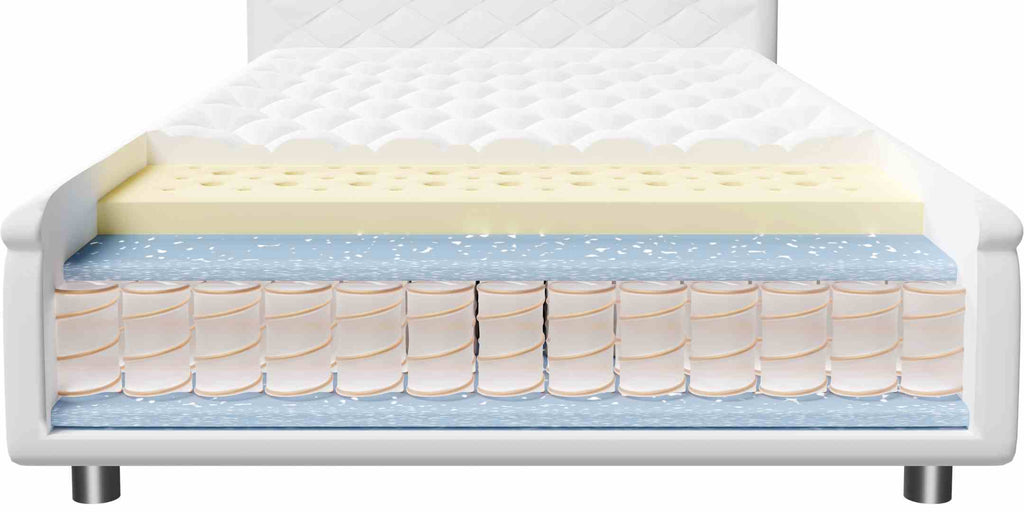
An innerspring or pocketed spring mattress with a pillow top adds a soft comfort layer above the spring support system. This can give a plush top feel while still keeping some bounce and structure underneath.
- Best for: sleepers who want softness but still like a more traditional mattress feel.
- Consider: coil type, pillow top thickness, motion transfer, and edge support.
- Good feature to check: pocketed spring support if you share the bed.
Soft mattress comparison table
| Mattress type | Feel | Best for | Watch out for |
|---|---|---|---|
| Memory foam | Slow, contouring, hugged feel | Pressure relief and motion isolation | May feel warm or harder to move on |
| Latex | Soft but more responsive | Sleepers who want cushioning with bounce | Can feel firmer than expected depending on density |
| Pillow top spring | Plush surface with spring support | Traditional comfort with added softness | Pillow top quality and sag resistance vary |
| Hybrid | Foam or latex comfort with coil support | Balanced comfort and support | Can differ widely by brand and construction |
Shopping tips for a soft mattress

Understand your softness preference
Some shoppers want a lightly plush feel, while others want a very soft mattress with deeper cushioning. Decide whether you want soft comfort only on top, or a mattress that feels soft throughout.
Test your sleep position
Lie in your usual sleeping position when testing. For side sleepers, check shoulder and hip comfort. For back sleepers, check lower-back support. For stomach sleepers, check whether the hips sink too much.
Check the materials
The comfort layer affects softness, while the support layer affects stability. A soft mattress can still be supportive if it has a well-built base.
Consider motion isolation
If you share the bed, choose a mattress that reduces movement transfer. Memory foam and some pocketed spring designs can help minimise partner disturbance.
Look for cooling features
Soft foam mattresses may feel warmer for some sleepers. In Singapore’s humid climate, breathable covers, cooling foam, latex, or airflow-friendly designs can make the bed more comfortable.
Review warranty and return terms
Before buying, check warranty coverage, comfort exchange options if available, and what the policy says about sagging, stains, support bases, and mattress protectors.
To compare options, browse Mega Furniture’s mattresses and check the firmness, material, height, size, and care instructions before deciding.
How to maintain and care for a soft mattress
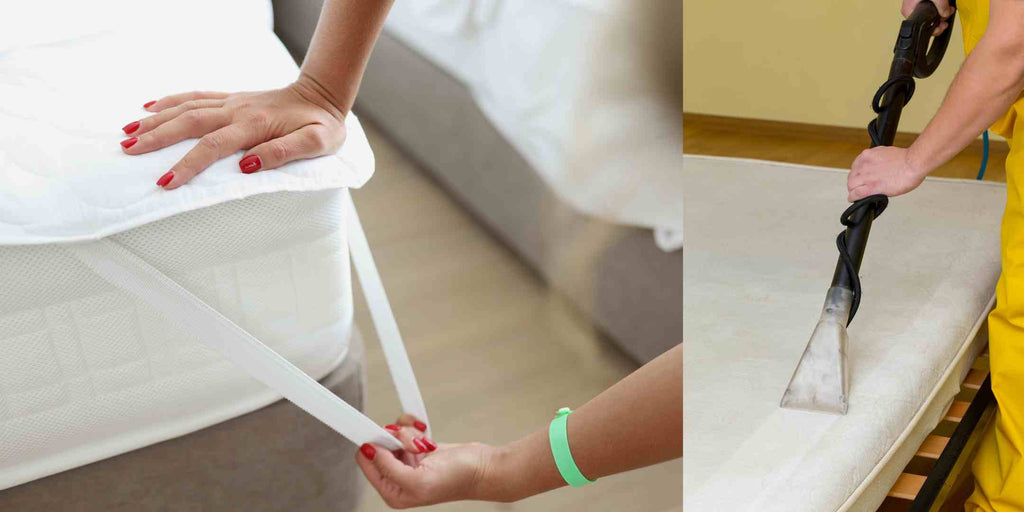
Use a mattress protector
A mattress protector helps protect the mattress from spills, stains, dust, and everyday wear. This is especially useful for softer comfort layers because moisture and stains can affect long-term performance.
Rotate the mattress regularly
Rotate your mattress according to the brand’s care instructions. Many mattresses benefit from regular rotation because it helps reduce uneven wear. Only flip the mattress if the manufacturer says it is designed to be used on both sides.
Use the right support base
A soft mattress still needs a stable foundation. Pair it with a suitable bed frame or support base so the mattress does not sag prematurely.
Clean it gently
Vacuum the mattress occasionally using an upholstery attachment to remove dust and debris. A vacuum cleaner can help with regular upkeep. For spills, follow the mattress care label and avoid soaking the mattress.
Avoid jumping, folding, or overloading
Soft mattresses are not designed for jumping, bending, or heavy pressure in one spot for long periods. Carry the mattress carefully when moving it and avoid folding it unless the product is specifically designed to fold.
Complete your soft mattress setup
A good soft mattress works best when the rest of the bed setup supports it. Add a breathable bedding set, consider a mattress topper if you want to adjust surface comfort, and choose a bed frame that supports the mattress properly.
If you are buying for a new bedroom, compare your mattress size with the room layout before ordering. Leave enough walking space around the bed, especially in HDB and condo bedrooms.
Soft Mattress FAQs
What is a soft mattress?
A soft mattress has a plusher sleeping surface that cushions the body more than a medium-firm or firm mattress. It may use memory foam, latex, pillow top layers, or soft comfort foam to create a cradling feel.
Who is a soft mattress best for?
A soft mattress is often preferred by side sleepers and people who enjoy a plush, cushioned feel. It may not suit everyone, especially sleepers who need firmer support to keep the body from sinking too deeply.
Is a very soft mattress good for back pain?
A very soft mattress may feel comfortable for pressure relief, but it may not provide enough support for some back sleepers or stomach sleepers. If you have ongoing back pain, speak with a qualified healthcare professional before choosing a mattress based on pain alone.
Is memory foam good for a soft mattress?
Memory foam can be a good material for a soft mattress because it contours closely to the body and reduces motion transfer. However, check cooling features and ease of movement if you sleep hot or change positions often.
Is latex softer than memory foam?
Latex can feel soft, but it is usually more responsive and springy than memory foam. Memory foam tends to create a deeper, slower-sinking feel, while latex often feels easier to move on.
How do I make my mattress softer?
You can try a soft mattress topper if your mattress is too firm but still supportive. If the mattress is old, sagging, or uncomfortable because the support core has weakened, replacing the mattress may be better than adding a topper.
How do I care for a soft mattress?
Use a mattress protector, rotate it as recommended, keep it on a suitable support base, vacuum it occasionally, clean spills quickly, and avoid folding, jumping, or placing heavy pressure on one area for long periods.
Final thoughts

A soft mattress can be a comfortable choice if you enjoy plush cushioning, sleep on your side, or want more pressure relief around the shoulders and hips. The key is to choose softness with proper support, not softness alone.
Before buying, compare materials, firmness level, cooling features, motion isolation, warranty terms, and the support base you will use. The right mattress should feel comfortable when you lie down and still support your body well through the night.