


WFH became permanent, and the dining table is no longer just for meals.
Quick answer: The best study table in living room placement is usually against a quiet wall near a power point, with enough light, chair space, and walkway clearance. Avoid putting the desk where it blocks the sofa, TV path, balcony door, or the main flow from entrance to kitchen.

In many Singapore homes, the study table has to share space with the living room, bedroom, or dining area. That is normal. The trick is not to find a perfect home office corner. It is to choose a table placement that supports focus without making the rest of the home harder to use.
Where should I place a study table in the living room?
Place the study table against a wall, near natural or task lighting, and close enough to a power outlet for your laptop, monitor, lamp, or charger. Keep it away from the main TV line, sofa walkway, and entrance path.
For most HDB and condo living rooms, a study table works better along a side wall than directly beside the sofa. The side-wall position keeps work visually contained, reduces distractions, and stops the living room from feeling like an office that swallowed the lounge.
| Placement option | Best for | Watch out for |
|---|---|---|
| Against a living room wall | WFH setups, students, compact homes | Check power points, chair pull-out space, and walkway clearance. |
| Beside a window | Daytime study or work | Control glare and afternoon heat, especially in west-facing units. |
| Behind the sofa | Open-plan homes with enough depth | Works only if the chair does not block movement behind the sofa. |
| Bedroom wall | Privacy and late-night study | Keep work away from the bed if it affects sleep or makes the room feel crowded. |
| Corner placement | Small rooms and awkward unused spaces | Needs good lighting so the corner does not feel dim or boxed in. |
| Beside a bookshelf or storage unit | Students and paperwork-heavy work | Keep shelves tidy or the study zone will look busy from the living area. |
If you are still choosing the desk, browse study tables for Singapore homes before deciding on the final location. The right table size can make the placement easier.
Start table placement with movement, not the wall
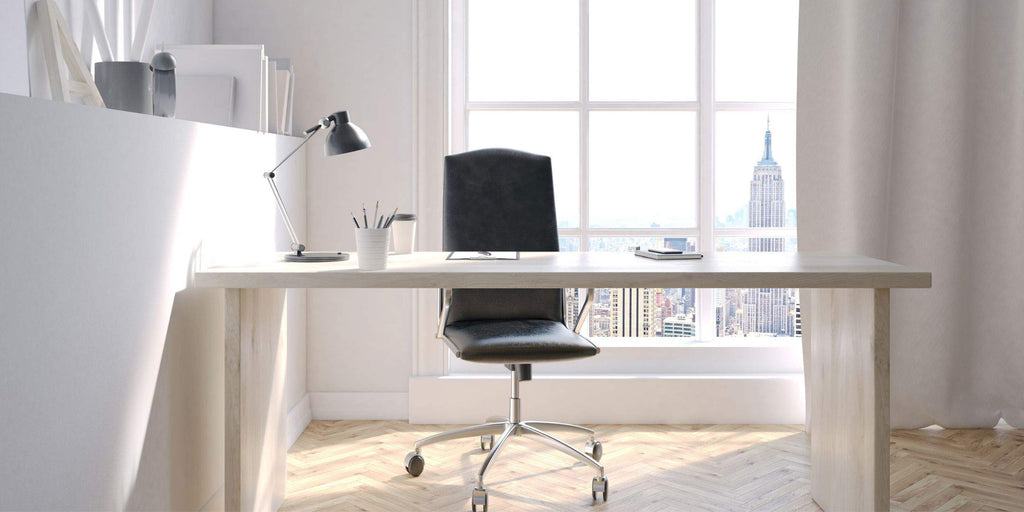
The wall may look empty, but that does not automatically make it the right place. First, check how people move through the room. In a living room, the main path usually runs from the entrance to the sofa, kitchen, balcony, or hallway. Your study chair should not sit in that path once pulled out.
Where space allows, keep around 70-90 cm of walkway clear. This matters more than squeezing in a wider table. A compact desk with comfortable movement will feel better than a large desk that everyone has to walk around.
For small BTO flats, choose a slimmer table or a wall-facing setup. For resale flats with longer living rooms, a desk can work behind the sofa or near a sideboard if there is enough depth. For condos with open kitchens, keep the desk away from cooking splashes and dining clutter.
Use light carefully

Good lighting helps the study table feel intentional. Natural light is useful during the day, but direct sunlight can cause glare on a laptop screen. West-facing homes also get strong afternoon UV, which can fade finishes and make the workspace warmer.
If the table sits near a window, use curtains, blinds, or a side angle so the screen is not facing harsh light. If the table sits in a corner, add a task lamp. Living room ceiling lights are often designed for ambience, not close reading or laptop work.
The practical test is simple: sit at the desk at the time you usually work or study. If your eyes feel strained, the chair casts a shadow over your notebook, or the screen reflects the window, adjust the table placement before buying more accessories.
Keep power points and cables under control

A study table should be near a power point, but not so close that cables pile up in plain sight. In a living room, messy wires make the whole space look unfinished. Use the shortest safe cable route and keep chargers off the floor where possible.
If you need a monitor, printer, lamp, or charging station, plan for cable management from the start. A table with storage or a nearby pedestal drawer for work essentials helps keep loose items contained.
Avoid placing the study table where people regularly step over cables. This is especially important in homes with children, older parents, or pets.
When a study table in the bedroom works better
The bedroom can be the better choice if the living room is noisy, shared by many people, or used for TV most evenings. A bedroom study table gives more privacy, but it needs careful placement so the room still feels restful.
Place the table against a wall rather than directly beside the bed if the room allows. This creates a clearer line between work and rest. If the desk must sit near the bed, keep it tidy at night. A laptop, files, and open notebooks beside your pillow can make the bedroom feel mentally busy.
For small bedrooms, consider small study tables for compact rooms. A narrower table may be enough for a laptop and notebook while preserving wardrobe access and walking space.
How to choose the right study table for the placement

Choose the table after choosing the location. A wide table suits a long wall, but it can look bulky beside a sofa. A narrow desk suits a bedroom, but it may feel too tight for dual monitors. A storage study table helps if the workspace has to disappear visually after office hours.
Pair the table with a proper chair. The best placement will still feel wrong if the chair is too low, too deep, or hard to pull out. If the table is used daily, browse office chairs for home workspaces and check that the chair can tuck in when not in use.
- For laptop work, choose a compact table with enough depth for wrists and a notebook.
- For monitor work, allow more depth so the screen is not too close.
- For children, keep the setup visible enough for supervision but away from TV distractions.
- For shared homes, choose storage so work items can be cleared quickly.
Places to avoid for table placement

Avoid placing the study table directly in front of the TV if focus matters. Avoid the main doorway if people pass often. Avoid tight corners without lighting. Avoid blocking balcony doors, cabinet doors, or the walkway between sofa and coffee table.
The honest trade-off is that the most private spot is not always the most practical one. A bedroom corner may be quiet, but it can make the room feel cramped. A living room wall may be less private, but it can be healthier for daily routines because work stays outside the sleeping area.
If the only available location is the living room, make the desk look like part of the home. Match the finish to nearby furniture, keep cables hidden, and use closed storage for stationery and documents.
Before you order a study table
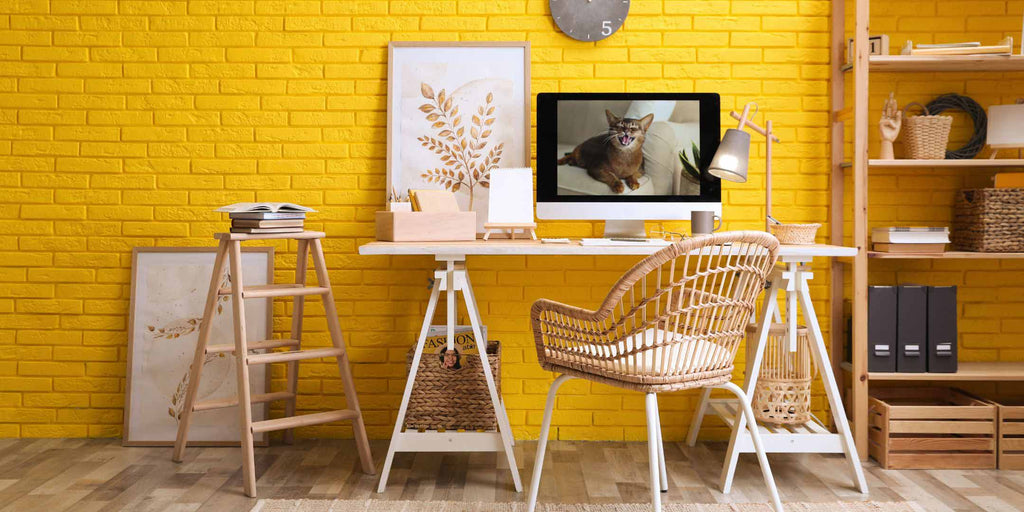
Measure the table space and the delivery route. Check the lift, corridor, main door, and the final room entrance. Many HDB lift openings are approximately 0.8 m wide, HDB main doors are around 0.9 m, and internal room doors are around 0.8 m. The actual turns in your block and home still matter most.
- Measure the wall length and table depth.
- Check chair pull-out space.
- Leave around 70-90 cm of walkway where possible.
- Check power point location.
- Test glare during your usual study or work hours.
- Make sure drawers, doors, and windows can still open.
Complimentary delivery and professional assembly come with qualifying orders, which matters when a study table arrives in several parts and still needs to sit level against the wall. If something arrives damaged, the team at +65 6950-2657 sorts it locally, not through a returns form sent far away.
A growing share of Mega Furniture's furniture range now comes from its own factories in Batu Pahat, Johor and Foshan, Guangdong, both operational since late 2025. Quality checks happen in-house before pieces ship to Singapore, where delivery and professional assembly are handled locally. It is not the whole range yet, but the programme is expanding through 2028.
FAQs about study table placement
Can I place a study table in the living room?
Yes. A study table in the living room works well if it sits against a quiet wall, has access to power, and does not block the sofa, TV path, balcony door, or main walkway.
Where should a study table face?
A study table can face a wall, window, or room opening, depending on distractions and light. For most compact homes, facing a wall is practical because it reduces visual distractions and keeps the work zone contained.
Is it better to place a study table near a window?
It can be better during the day because of natural light. However, avoid direct glare on your screen and strong afternoon sun. Use curtains or blinds if the window is bright or west-facing.
How much space do I need behind a study chair?
Leave enough room to pull the chair out and sit comfortably. Where space allows, keep around 70-90 cm of walkway so the chair does not block movement through the room.
Should a study table be in the bedroom or living room?
Choose the bedroom if you need privacy and quiet. Choose the living room if the bedroom is too small or if you want work to stay outside your sleeping area. The better choice is the one that supports both focus and daily movement.