


Quick answer: A Japandi sofa is a low, clean-lined sofa that blends Japanese simplicity with Scandinavian warmth. Choose a Japandi sofa if you want a calm living room with natural textures, neutral colours, and furniture that looks light instead of bulky. For Singapore homes, the best choice is usually a slim 2-seater, compact 3-seater, or low-profile wooden-frame sofa that keeps the walkway clear.
You have got the BTO keys. Standing in the actual living room for the first time, the clean Japandi look suddenly depends less on mood boards and more on sofa size, sunlight, and where the TV console will go.
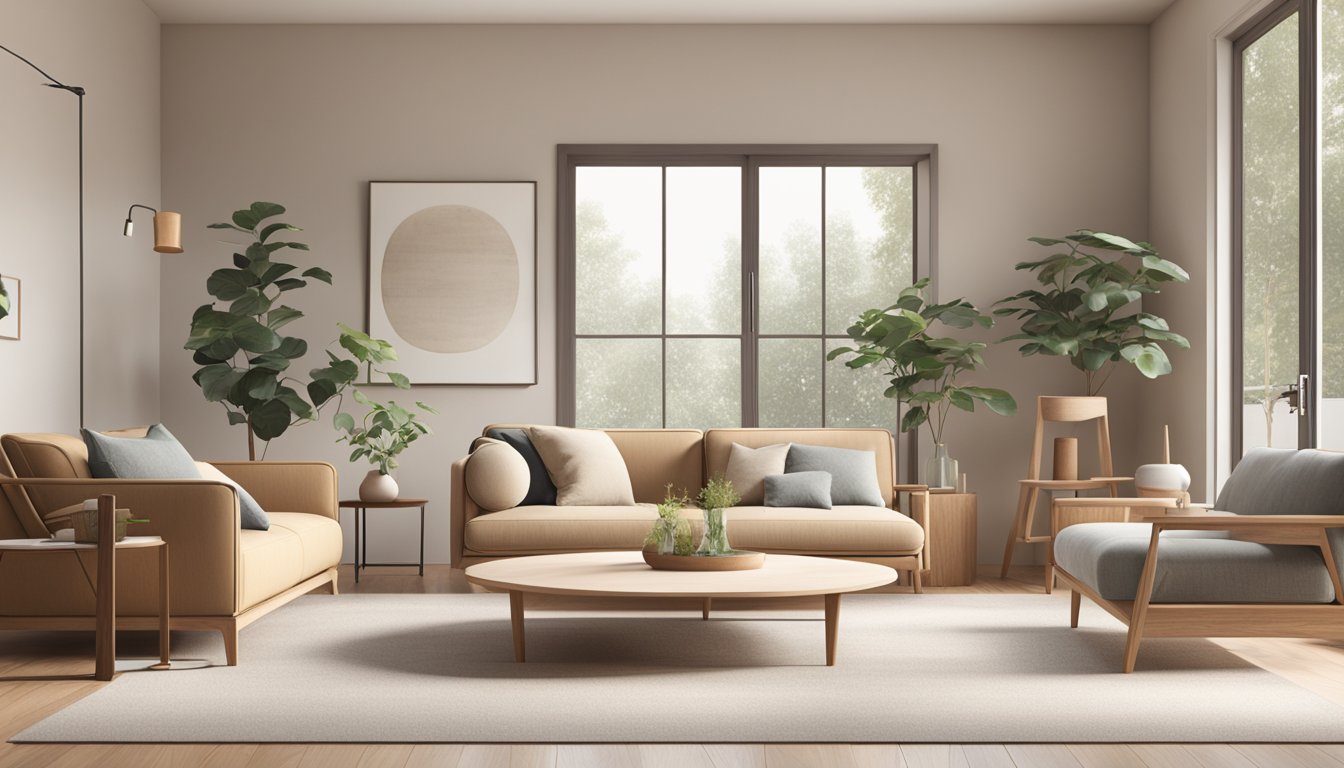
What is a Japandi sofa?
A Japandi sofa combines the quiet restraint of Japanese interiors with the warm practicality of Scandinavian design. In plain terms, it is usually simple, low-profile, neutral, and made with natural-looking materials. It avoids loud colours, oversized arms, glossy finishes, and heavy decoration.
For a Japanese sofa Singapore homes can use comfortably, the design should feel grounded without making the room look cramped. Think slim arms, exposed wooden legs or frame details, soft fabric, muted colours, and enough seat depth for daily lounging.
If you are starting from scratch, browse sofas for Singapore living rooms first by size and shape, then narrow the choices by material and colour. Japandi works best when the sofa fits the room before it fits the style label.
How to choose a Japandi sofa for a small HDB living room
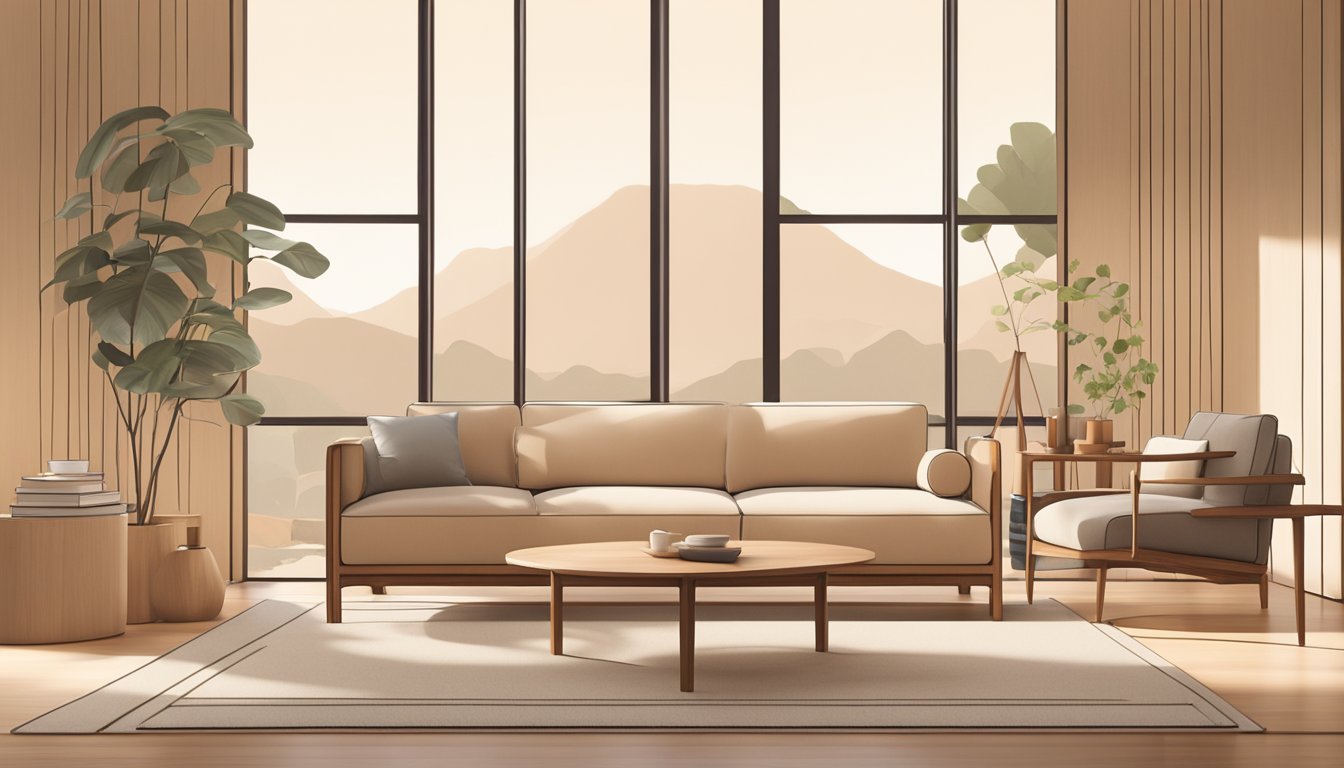
Start with the room size. A 2-seater sofa is typically around 140-170 cm wide, while a 3-seater sofa is usually around 190-230 cm wide. In a compact HDB living room, that difference can decide whether you still have room for a coffee table, side table, rug, and clear walkway.
| Living room situation | Best Japandi sofa direction | Why it works |
|---|---|---|
| Small 3-room HDB living room | Low 2-seater sofa | Keeps the room open and protects the walkway |
| Standard 4-room HDB living room | Slim 3-seater sofa | Gives enough seating without looking heavy |
| 5-room HDB or larger resale flat | Low-profile 3-seater or small L-shaped sofa | Defines the seating zone while keeping the design calm |
| Condo living room with balcony doors | Sofa with raised legs and slim arms | Helps preserve sightlines and easy balcony access |
| Living room that doubles as guest space | Simple sofa bed in a neutral finish | Adds function without needing a separate guest room |
A Japandi sofa should never be the biggest thing the room can physically hold. The style depends on negative space, which is the part of the room you deliberately leave alone.
Choose the right colour palette
Japandi colour palettes are quiet, but they should not feel cold. Good sofa colours include warm beige, oatmeal, taupe, stone grey, soft brown, muted cream, and light charcoal. These shades work well with wood furniture, woven rugs, linen curtains, and simple ceramic décor.
Avoid stark white if the sofa will handle children, pets, snacks, or daily TV nights. Avoid very dark colours if the room is small and already short on natural light. Japandi is not about making the room look empty. It is about making it feel settled.
Pick materials that suit Singapore humidity
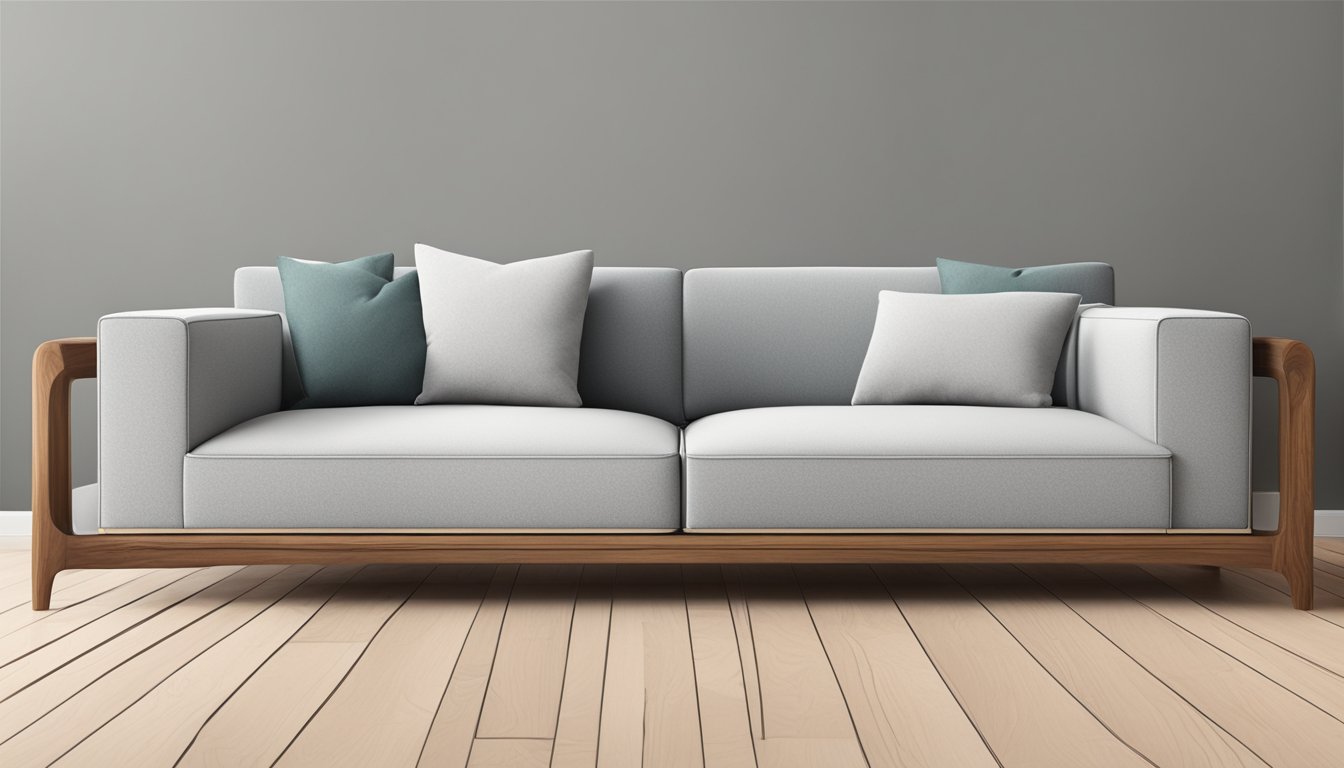
Singapore humidity is typically high, so material choice matters. Fabric sofas feel soft and relaxed, which suits Japandi interiors well. Choose textured weaves, linen-look fabrics, or muted upholstery that adds warmth without shouting for attention.
Wood is also important in Japandi design. A visible wooden frame, wooden legs, or a nearby wood coffee table can give the room its natural anchor. Solid wood is strong but moves with humidity, while plywood and engineered wood are usually more dimensionally stable.
If you want a softer everyday look, compare fabric sofas. If the wooden detail is the main feature, browse wooden sofas and check whether the frame profile suits your living room size.
Look for the right sofa silhouette
Low profile
A lower sofa creates the calm, grounded feeling many people associate with Japandi interiors. It works especially well when paired with a low coffee table and simple TV console.
Slim arms
Slim arms keep the sofa from looking bulky. They also give you more usable seating within the same overall width, which matters in HDB and condo living rooms.
Raised legs
Raised legs make the floor more visible, which helps a small room feel lighter. They also make cleaning around the sofa easier.
Simple cushions
A Japandi sofa should not need a mountain of cushions to look finished. One or two textured cushions are enough. If the sofa looks plain without six cushions, the sofa may not be the right one.
What to avoid in a Japandi living room
Avoid oversized recliners, glossy faux finishes, loud accent colours, thick rolled arms, and busy patterns. These can fight the calm balance that Japandi needs. The sofa should support the room, not dominate it.
Also avoid copying a showroom layout without measuring. Keep around 70-90 cm for main walkways where possible, and around 30-45 cm between the sofa and coffee table. Before ordering, measure the lift opening, corridor turns, main door, and room doorway. Many HDB lift openings are approximately 0.8 m wide, and a sofa still has to reach the living room before it can look peaceful in it.
How to style a Japandi sofa
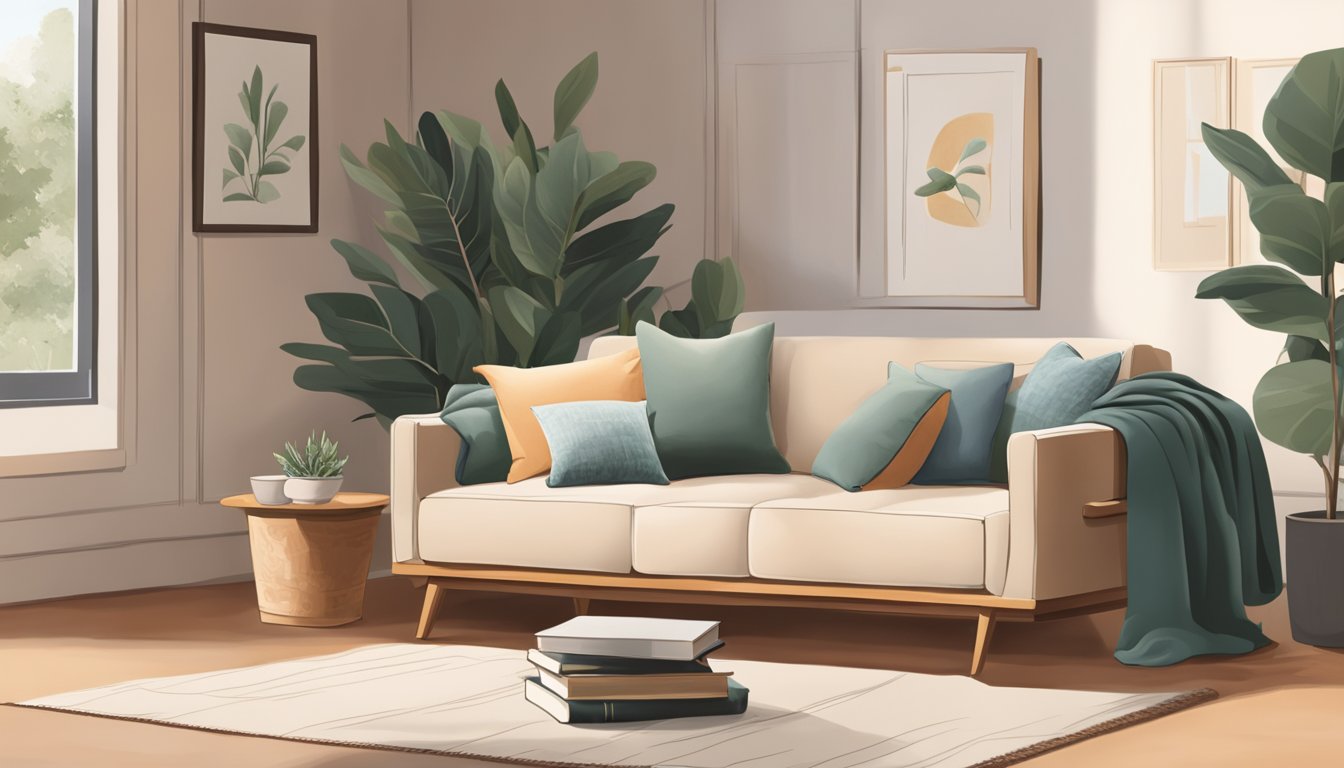
Use fewer pieces, but choose them carefully. A Japandi sofa works well with a wood coffee table, textured rug, neutral curtains, one soft throw, and simple lighting. Keep the TV console clean and avoid crowding the wall with too many frames or shelves.
If you want the look to continue beyond the living room, you can pair the sofa with other natural, low-visual-weight pieces from the Japandi bedroom collection for a more consistent home style.
Assembly is handled professionally on delivery. If something arrives damaged, the team at +65 6950-2657 sorts it, not a chatbot and not a returns form sent to an address outside Singapore. That matters when the sofa is a large furniture piece and the whole room layout depends on it arriving in good condition.
Who should not choose a Japandi sofa?
A Japandi sofa may not be right if you prefer bold colours, plush oversized seating, deep recliners, or highly decorative furniture. It may also feel too restrained if your living room style leans glamorous, maximalist, or strongly industrial.
For families who need hard-wearing, snack-friendly seating, Japandi can still work, but choose forgiving fabric, slightly darker neutrals, and washable cushion covers where available. A pale sofa with delicate fabric may look beautiful on day one and become a family negotiation by month three.
Final thoughts on choosing a Japandi sofa
A Japandi sofa works best when it balances calm design with daily comfort. Choose a low, clean-lined shape, natural-looking materials, warm neutrals, and a size that keeps the room easy to move through. For Singapore homes, the most successful Japandi rooms are not the emptiest ones. They are the ones where every piece has room to breathe.
A growing share of Mega Furniture's furniture range now comes from its own factories in Batu Pahat, Johor and Foshan, Guangdong, both operational since late 2025. Quality checks happen in-house before pieces ship to Singapore, where delivery and professional assembly are handled locally. It is not the whole range yet, but the programme is expanding through 2028.
Frequently Asked Questions
What makes a sofa Japandi?
A Japandi sofa usually has clean lines, a low profile, neutral upholstery, and natural-looking materials such as wood or textured fabric. It should feel simple, warm, and practical rather than decorative.
Is a Japandi sofa good for small HDB flats?
Yes, a Japandi sofa can work well in small HDB flats if the size is right. Choose a slim 2-seater or compact 3-seater, keep the arms narrow, and leave enough walkway space around the sofa.
What colour is best for a Japandi sofa?
Warm neutrals such as beige, taupe, oatmeal, cream, soft grey, and muted brown are good choices. They pair well with wood, woven textures, and simple living room décor.
Is a Japanese sofa Singapore homes use different from a Japandi sofa?
A Japanese sofa Singapore shoppers look for is often low, simple, and space-conscious. A Japandi sofa adds Scandinavian warmth through softer upholstery, cosy texture, and practical comfort.
How do I style a Japandi sofa without making the room look empty?
Use texture instead of clutter. Pair the sofa with a wood coffee table, neutral rug, soft throw, simple lamp, and one or two cushions. Leave some open space so the room feels calm, not bare.