


The best induction pots are magnetic at the base, sit flat on the hob, and match the way you actually cook. For most Singapore kitchens, stainless steel induction pots are the safest everyday choice because they are easy to clean, durable, and practical for soups, noodles, stir-fries, and meal prep. Cast iron induction cookware is excellent for searing, but it is heavier and needs more care.
Renovation just completed, the walls are fresh, the hob is installed, and the first grocery run is done. Then you realise half the old pots from your previous place refuse to heat up on the new induction cooker.
That is the small kitchen problem this guide solves. Choosing an induction cooker pot is not about buying the most expensive set. It is about checking compatibility, material, handle comfort, and size before the cookware reaches your cart.
What Makes Induction Pots Different?
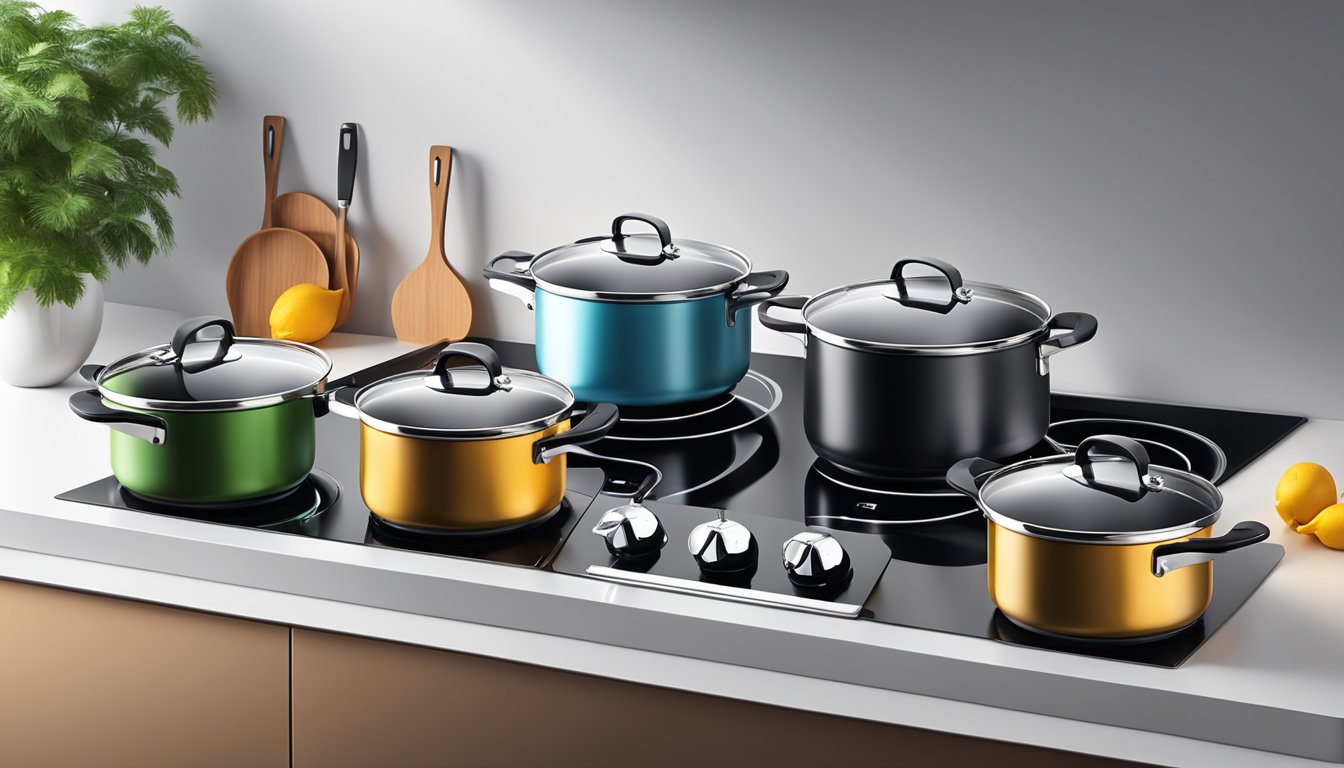
Induction cooking uses a magnetic field to heat the cookware directly. Instead of heating the air around the burner first, the hob transfers energy into the base of the pot or pan. That is why induction cooking can feel fast and controlled, especially in compact HDB and condo kitchens where heat build-up is not pleasant.
The catch is simple: not every pot works. Good induction cookware needs a magnetic base. Aluminium, copper, glass, and some stainless steel cookware may not work unless they include a compatible magnetic layer at the bottom.
The easiest home test is the magnet test. Hold a fridge magnet against the bottom of the pot. If it sticks firmly, the pot is likely induction-friendly. If it slides off or barely clings, do not rely on it for an induction hob.
What Is the Induction Cookware Symbol?
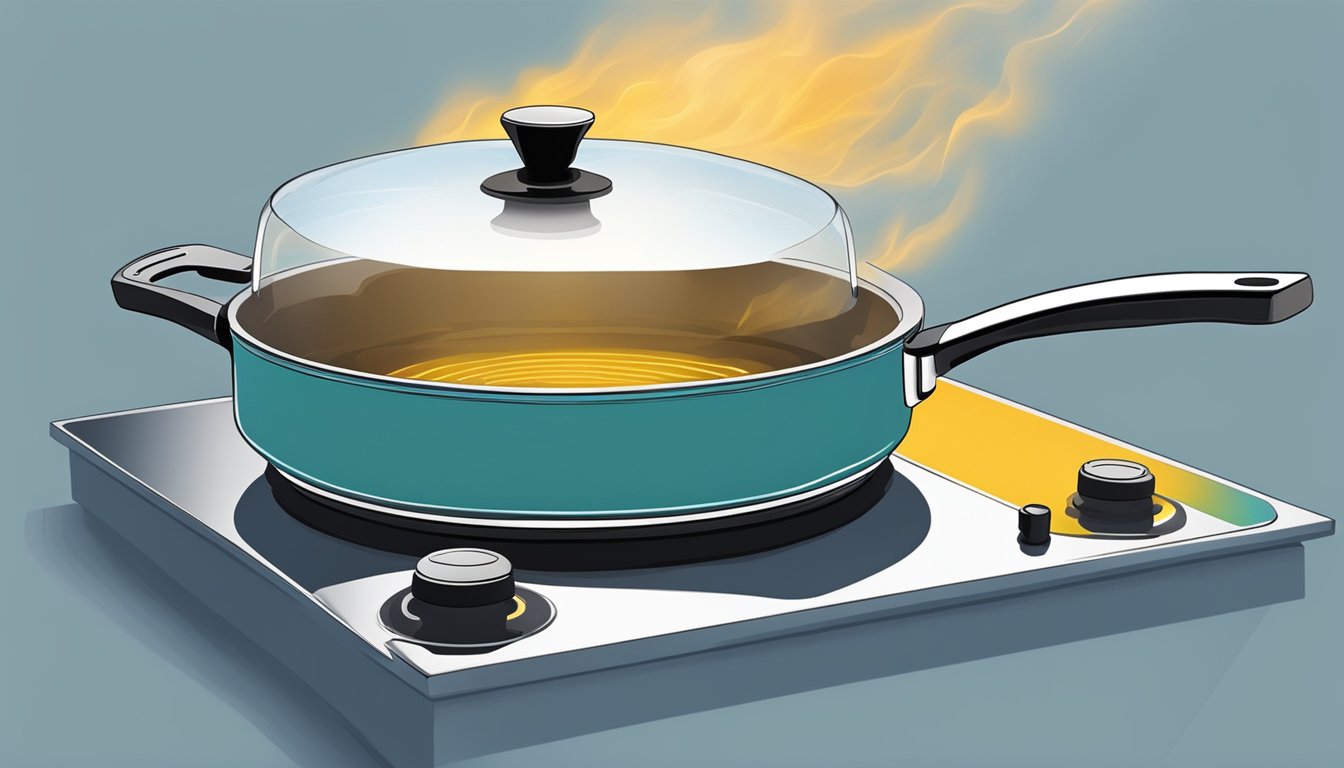
The induction cookware symbol usually looks like a coil, spring, or series of loops. You may see it printed on the base of the pot, stamped into the packaging, or listed in the product description. This induction pan symbol tells you the cookware is designed for use on induction hobs.
Some shoppers search for the induction sign on pots because the symbol is not always obvious. Check the underside first. If there is no clear induction cookware symbol, confirm with the product details and run the magnet test when possible.
A flat base matters too. A pan can be magnetic and still perform badly if the bottom is warped. On a glass induction hob, the base should sit evenly so heat spreads properly and the cookware does not wobble while you cook.
Best Induction Pots: Which Material Should You Choose?
For most Singapore homes moving to induction, stainless steel is the safest first buy; add cast iron only if you actually sear often and are willing to handle the weight.
| Material | Best For | What to Watch |
|---|---|---|
| Stainless steel induction pots | Everyday cooking, soups, pasta, sauces, steaming | Choose a magnetic base and a sturdy handle |
| Cast iron induction cookware | Searing meat, one-pot dishes, strong heat retention | Heavy, slower to heat, needs drying after washing |
| Non-stick induction pans | Eggs, pancakes, light frying, quick meals | Coating quality matters, avoid overheating |
| Enamelled cast iron | Braises, stews, serving straight from hob to table | Can be heavy and may chip if handled roughly |
Stainless steel is the most flexible choice for induction pots and pans Singapore households use daily. It handles regular cooking well and does not demand special care. Cast iron induction cookware is excellent, but it is not for everyone. If your kitchen routine is mostly quick noodles, reheating soup, and simple weekday meals, heavy cast iron may spend more time in the cabinet than on the hob.
Browse induction cookware Singapore homes can use daily if you are replacing old pots after installing a new hob.
How to Choose an Induction Pot Singapore Homes Will Actually Use
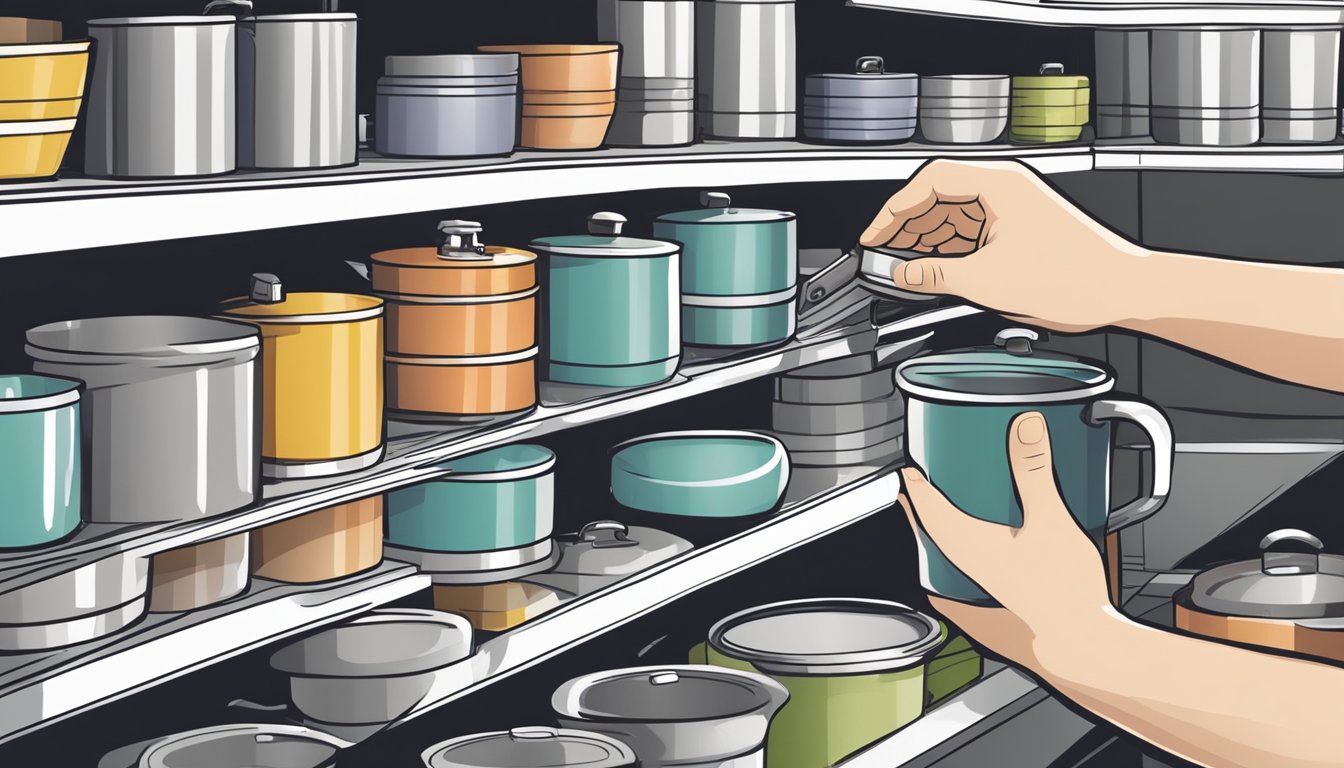
Check the base size
The base of the pot should match the hob zone as closely as possible. A very small pot on a large zone may not heat evenly. A very wide pan on a small zone may leave the outer edges cooler than expected.
Choose handles that feel secure
Heat-resistant handles are important, especially in tight kitchens where your hand may brush against nearby cookware. Riveted or firmly attached handles usually feel more secure than flimsy ones.
Think about lids
A well-fitting lid helps with soups, steaming, and simmering. In Singapore kitchens where everyday cooking often includes rice, soup, noodles, and quick reheating, a lid is not a small extra. It changes how useful the pot feels.
Buy for your actual cooking habits
A large set can look attractive, but it often leaves you with pieces you rarely touch. A practical starter setup is one medium saucepan, one larger soup pot, and one induction pan for frying. Add specialty pieces later only after you know what is missing.
Is Cast Iron Induction Cookware Worth It?
Cast iron induction cookware is worth it if you cook food that benefits from steady heat. Think steaks, stews, braises, and dishes that move from hob to table. It holds heat well, which makes it satisfying for slow cooking and deep browning.
The trade-off is weight. Cast iron is heavier than stainless steel, and that matters on a smooth glass hob. Dragging it across the surface can scratch the cooktop, so lift it carefully. It also needs proper drying after washing to reduce the chance of rust, unless it is enamelled.
If you want one induction cooker pot for everyday Singapore cooking, start with stainless steel. If you already have your daily basics covered and enjoy searing or slow cooking, cast iron becomes a smart second layer.
What Does Good Induction Cookware Feel Like?
Good induction cookware feels stable. It does not rock on the hob. The handle does not flex. The lid sits properly. The base has enough weight to make contact with the glass surface, but not so much that moving it becomes a chore.
For families, a larger pot is useful for soup, curry, pasta, and batch cooking. For singles or couples in a smaller flat, a compact pot and one reliable induction pan may do more real work than a full set.
Every order ships locally, and after-sales support is handled from Singapore. Complimentary delivery and professional installation are available on qualifying orders. The team is reachable at +65 6950-2657, Monday to Friday, 9am to 6pm.
Where to Buy Induction Pots and Pans Singapore Homeowners Can Trust
The safest way to buy induction cookware Singapore shoppers can use confidently is to check the product description before checkout. Look for clear wording such as induction compatible, induction-ready, magnetic base, or suitable for induction hobs.
If you are upgrading the hob as well, pair your cookware search with induction cookers for Singapore kitchens. For built-in kitchen planning, you can also compare cooker hobs for compact and modern homes.
A good induction pot Singapore household can rely on should make cooking easier, not more complicated. Check the symbol, test the base, choose the right material, and buy the pieces you will use often.
Frequently Asked Questions
How do I know if a pot is induction compatible?
Look for the induction cookware symbol, usually shown as a coil or loop mark. You can also place a magnet on the bottom of the pot. If the magnet sticks firmly, the pot is likely suitable for induction cooking.
What is the induction sign on pots?
The induction sign on pots usually looks like a small coil, spring, or row of curved loops. It may appear on the base, packaging, or product listing. This mark means the cookware is designed to work with induction hobs.
Can cast iron be used on induction cookers?
Yes. Cast iron induction cookware works well because cast iron is magnetic. Use it carefully on glass hobs because it is heavy. Lift it instead of dragging it across the surface.
What are the best induction pots for everyday cooking?
The best induction pots for everyday cooking are usually stainless steel pots with a magnetic base, flat bottom, comfortable handles, and a tight-fitting lid. They suit soups, pasta, sauces, steaming, and regular family meals.
Do I need a special induction pan symbol before buying?
A visible induction pan symbol is helpful, but it is not the only check. Read the product details and do the magnet test if possible. The base should also sit flat on the hob for steady heating.