


Renovation is finally done, the walls are fresh, and the living room still feels unfinished. A good armchair with ottoman gives you a proper relaxation corner without needing a full recliner or another bulky sofa. It works best when the chair supports your back, the ottoman lets your legs rest naturally, and the fabric suits Singapore’s humidity, sunlight, and daily use.
Quick answer: Choose a fabric armchair with ottoman if you want a soft, relaxed seat for reading, watching shows, nursing a child, or winding down after work. For most HDB and condo living rooms, this is more practical than a large lounge chair because the ottoman can be moved, tucked aside, or used as an extra seat when guests come over.
Why a Fabric Armchair with Ottoman Works So Well for Relaxation
A fabric armchair with ottoman solves one simple problem: many homes have space for a comfortable seat, but not enough room for another sofa. The separate ottoman gives you flexibility. You can stretch your legs after work, pull it closer for reading, or shift it aside when the walkway needs to stay clear.
The best setup is not the biggest one. In a compact Singapore living room, a medium-sized chair with a movable ottoman usually beats an oversized recliner because it gives comfort without taking control of the room. That is the choice most HDB buyers should make first.
Fabric also has a softer feel than many smooth upholstery types. It suits homes where the chair will be used often, especially in a reading corner, beside a window, or near a TV console. If your living room already has a sofa, browse sofas for the main seating area first, then choose the armchair as the quieter, more personal seat.
What Armchair with Ottoman Is Best for a Small Living Room?
For a small living room, choose an armchair with a slim frame, moderate seat depth, and an ottoman that can move independently. Avoid wide arms if space is tight. They look comfortable in a showroom, but they can steal precious floor area once the chair is placed beside a sofa, side table, or TV console.
Before buying, measure the full footprint of both pieces. Do not measure the chair alone. You need enough space for the chair, the ottoman, and the walking path around them. As a practical guide, keep around 70-90 cm of walkway where people pass often. If the chair blocks the route from the sofa to the kitchen, it will become annoying no matter how good it looks.
Lift and doorway fit also matter. Many HDB lift openings are around 0.8 m wide, and internal room doors are often about 0.8 m too. Measure the lift, corridor, main door, and room doorway before ordering a larger chair. This step is boring, but it prevents the most expensive kind of furniture mistake.
Choosing the Right Fabric, Colour, and Feel
The fabric changes how the chair feels, how much care it needs, and how well it handles daily use. A fabric armchair can feel warm and relaxed, while velvet feels richer and more decorative. Leather and faux leather are easier to wipe, but they can feel warmer in non-airconditioned rooms.
| Material choice | Best for | Watch out for |
|---|---|---|
| Fabric upholstery | Daily lounging, reading corners, softer living rooms | Needs regular vacuuming and quick spill care |
| Velvet-style fabric | Accent chairs, bedrooms, stylish corners | Shows pressure marks and dust more easily |
| Leather or faux leather | Homes that prefer wipe-clean surfaces | Direct sunlight and humidity can affect the surface over time |
If comfort is the priority, start with fabric sofas and fabric seating styles to get a feel for texture, colour, and softness. If easy wiping matters more, especially in a home with children or frequent snacks on the sofa, compare with genuine leather sofas and related upholstery options.
Size, Shape, and Support Details to Check
Seat Depth and Back Support
A good relaxation chair should let your back rest without forcing your shoulders forward. If the seat is too deep, shorter users may need a cushion behind the back. If it is too shallow, the chair may feel more like a waiting-room seat than a lounge chair.
Ottoman Height
The ottoman should sit close to the chair’s seat height. If it is too low, your legs slope downward and the setup feels less restful. If it is too high, your knees may feel lifted in an awkward position. The easiest test is simple: sit down, place both feet up, and check if your knees and hips feel relaxed.
Frame and Legs
Look for a stable frame and legs that sit evenly on the floor. Wobble is a bad sign, especially for a chair that will be used daily. Floor protectors are also useful in Singapore homes with vinyl, tile, or wood flooring because they reduce scratches and help the chair move less harshly when adjusted.
Where to Place Your Ottoman Chair at Home
The best spot is usually beside a window, near a bookshelf, beside the sofa, or in a bedroom corner. Keep it close enough to a side table so you have a place for a drink, book, remote, or phone. Comfort drops quickly when the chair looks nice but has nowhere practical to support daily use.
Be careful with west-facing windows. Strong afternoon sun can fade fabric and dry out some upholstery finishes over time. Curtains, blinds, or a slightly angled placement can protect the chair without hiding it completely.
Humidity is another practical detail. Singapore’s ambient humidity is often high, so fabric furniture benefits from airflow, regular cleaning, and avoiding damp corners. If the room rarely uses aircon, do not press the chair tightly against a wall. Leave a small gap so air can move around it.
How to Care for a Fabric Ottoman Chair
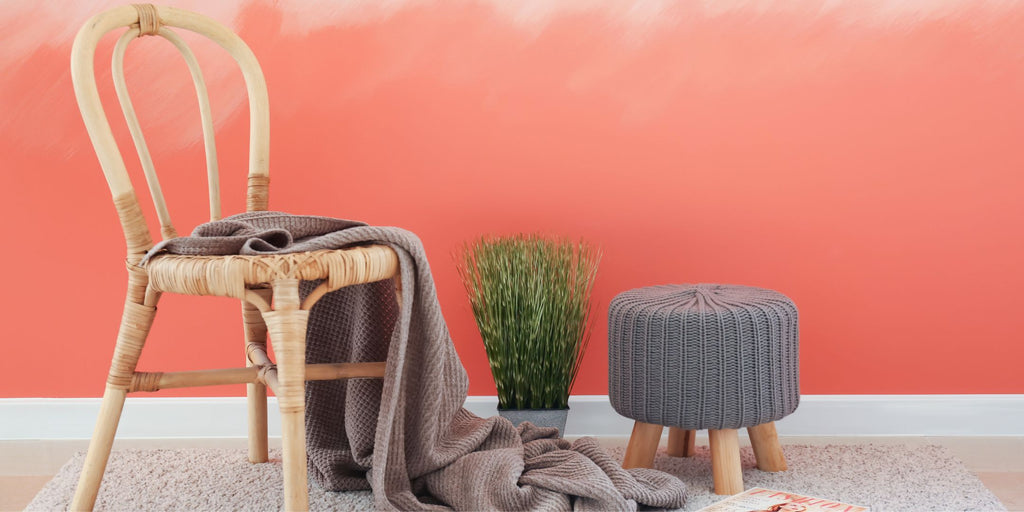
Vacuum Gently and Often
Use a soft brush attachment to remove dust, crumbs, and pet hair. Weekly light vacuuming is better than waiting until the chair looks dirty. It also helps the fabric keep its texture longer.
Deal with Spills Quickly
Blot spills instead of rubbing them. Rubbing can push liquid deeper into the fabric and spread the stain. Use a gentle fabric-safe cleaner where suitable, and test it on a hidden area first.
Protect the Chair from Sun and Damp
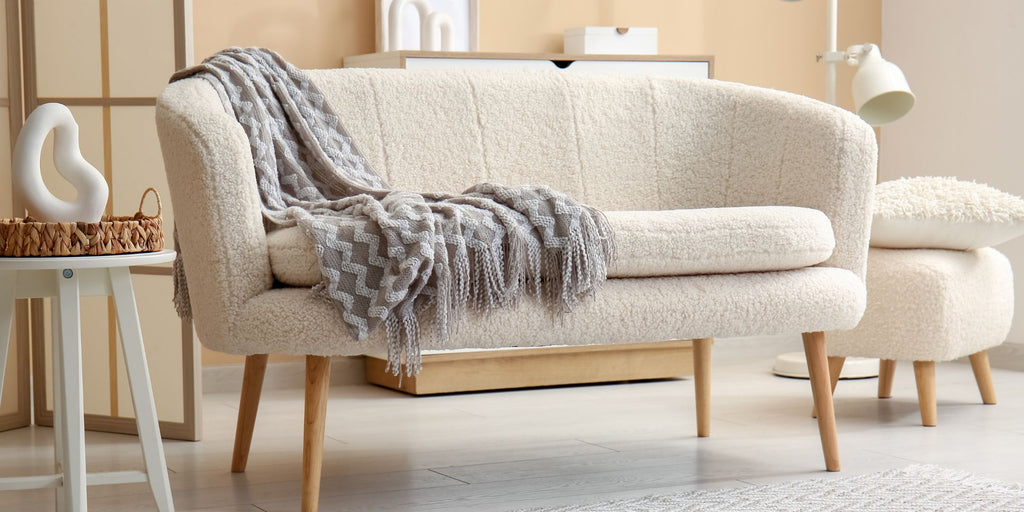
Keep the chair away from long hours of direct sun, especially in west-facing rooms. During humid periods, improve airflow with a fan, aircon, or dehumidifier where practical. This is especially useful for fabric seating in rooms that stay closed during the day.
Buying an Ottoman Chair Online Without Regret
Check three things before you order: measurements, material, and support. The chair must fit your space, the fabric must suit your lifestyle, and the seller must be reachable after delivery. Assembly is handled professionally on delivery. If something arrives damaged, the team at +65 6950-2657 sorts it, not a chatbot, not a returns form sent to an address outside Singapore.
A growing share of Megafurniture's furniture range now comes from its own factories in Batu Pahat, Johor and Foshan, Guangdong, both operational since late 2025. Quality checks happen in-house before pieces ship to Singapore, where delivery and professional assembly are handled locally. It is not the whole range yet, but the programme is expanding through 2028.
Frequently Asked Questions
Is an Armchair with Ottoman Better Than a Recliner?
An armchair with ottoman is better for smaller rooms because the ottoman can move separately. A recliner may feel more supportive for full-body lounging, but it needs more clearance behind and in front.
Is Fabric a Good Choice for an Ottoman Chair in Singapore?
Yes, fabric is a good choice if you want a soft, cosy feel. In Singapore’s humidity, it needs regular vacuuming, airflow, and quick spill care to stay fresh.
How Much Space Do I Need for an Armchair with Ottoman?
Measure the chair and ottoman together, then leave around 70-90 cm for walkways where people pass often. The setup should not block the path between the sofa, TV area, balcony, or kitchen.
Can an Ottoman Be Used as Extra Seating?
Yes, many ottomans can work as casual extra seating, but it depends on the build and padding. Avoid using it as a step stool or placing heavy items on it for long periods.
Where Should I Place an Ottoman Chair in a HDB Flat?
Place it beside the sofa, near a window with sun control, in a bedroom corner, or near a bookshelf. Keep it away from damp corners and leave enough room to move around it comfortably.