


Quick answer: A kitchen exhaust hood helps draw away smoke, steam, grease, and cooking smells before they spread across the kitchen, dining area, and service yard. For most Singapore homes that cook often, a kitchen exhaust hood is worth planning early, but it is not something to buy by suction power alone. Match the hood to your hob width, cooking style, cabinet layout, filter maintenance, noise tolerance, and HDB or condo installation rules.
You have got the BTO keys, and the kitchen layout looks simple on paper. Then the real cooking questions arrive: where will the smoke go, how close is the dining table, and will the cabinets smell like sambal after one serious dinner?
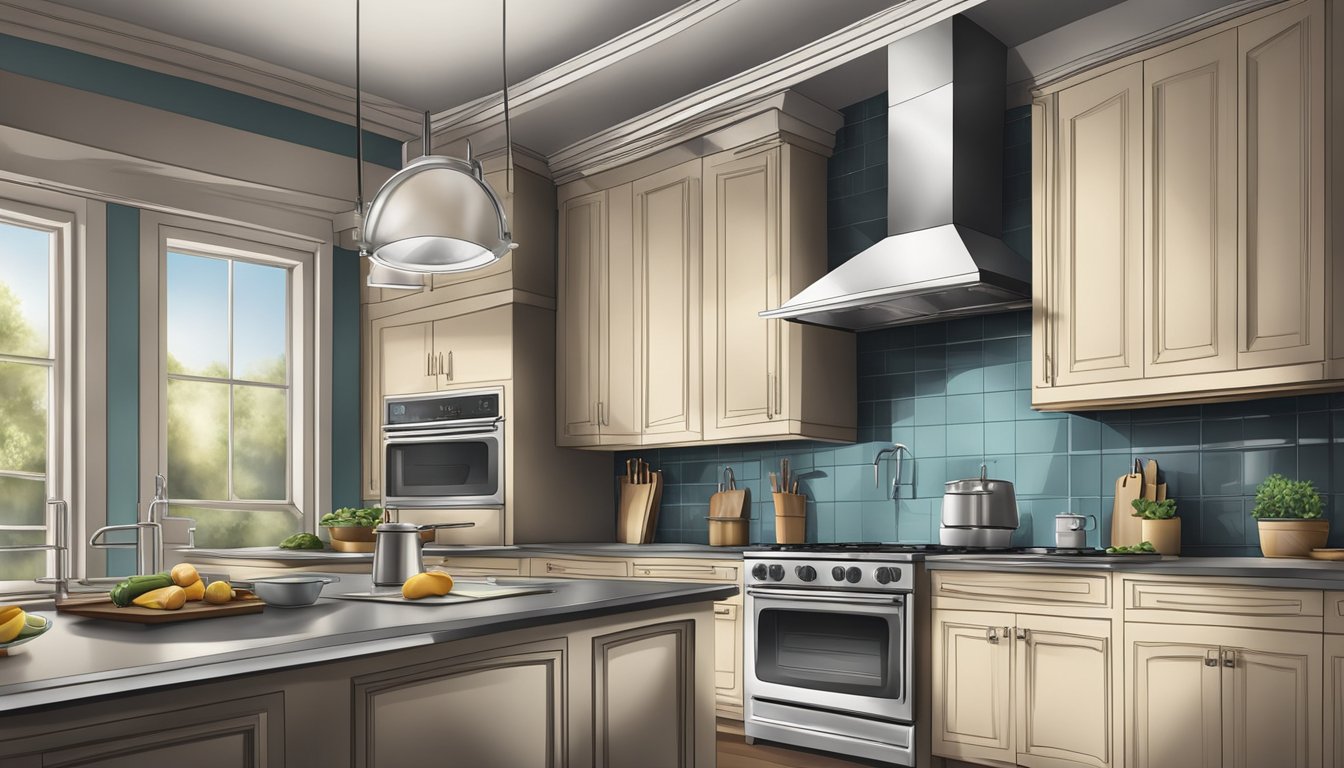
Do you need a kitchen exhaust hood?
You need a kitchen exhaust hood if you cook regularly, fry often, stir-fry with high heat, prepare strong-smelling dishes, or have an open kitchen close to the living and dining area. You may not need a large hood if you rarely cook, mostly reheat food, or have a very light cooking routine.
The practical answer is not “every home must have one.” The better answer is this: the more often you cook with oil, steam, and strong aromatics, the more useful a hood becomes. It helps reduce grease build-up on nearby cabinets, lingering smells in soft furnishings, and moisture around the cooking zone.
If you are choosing one for a new kitchen, start with cooker hoods for Singapore homes and compare size, hood type, filter design, suction, noise, and installation requirements before deciding.
Kitchen exhaust hood types compared
| Hood type | Best for | What to check |
|---|---|---|
| Recirculating hood | HDB flats, condos, and kitchens where external ducting is not practical | Filter type, replacement schedule, grease capture, and cleaning effort |
| Ducted hood | Homes where the layout and property rules allow proper external venting | Current HDB or MCST rules, duct route, discharge point, installation approval, and maintenance |
| Telescopic hood | Compact kitchens that need a slimmer visual profile | Cabinet fit, pull-out clearance, width, and ease of cleaning |
| Chimney hood | Open or larger kitchens where the hood becomes part of the design | Wall space, height clearance, visual weight, ducting or recirculation option |
| Under-cabinet hood | Simple layouts with cabinets above the hob | Cabinet depth, heat clearance, filter access, and whether the door can open freely |
A hood that is easy to clean will usually serve a Singapore home better than a powerful-looking hood that nobody maintains. Grease build-up is not a design feature.
Match the hood to your hob and cooking style
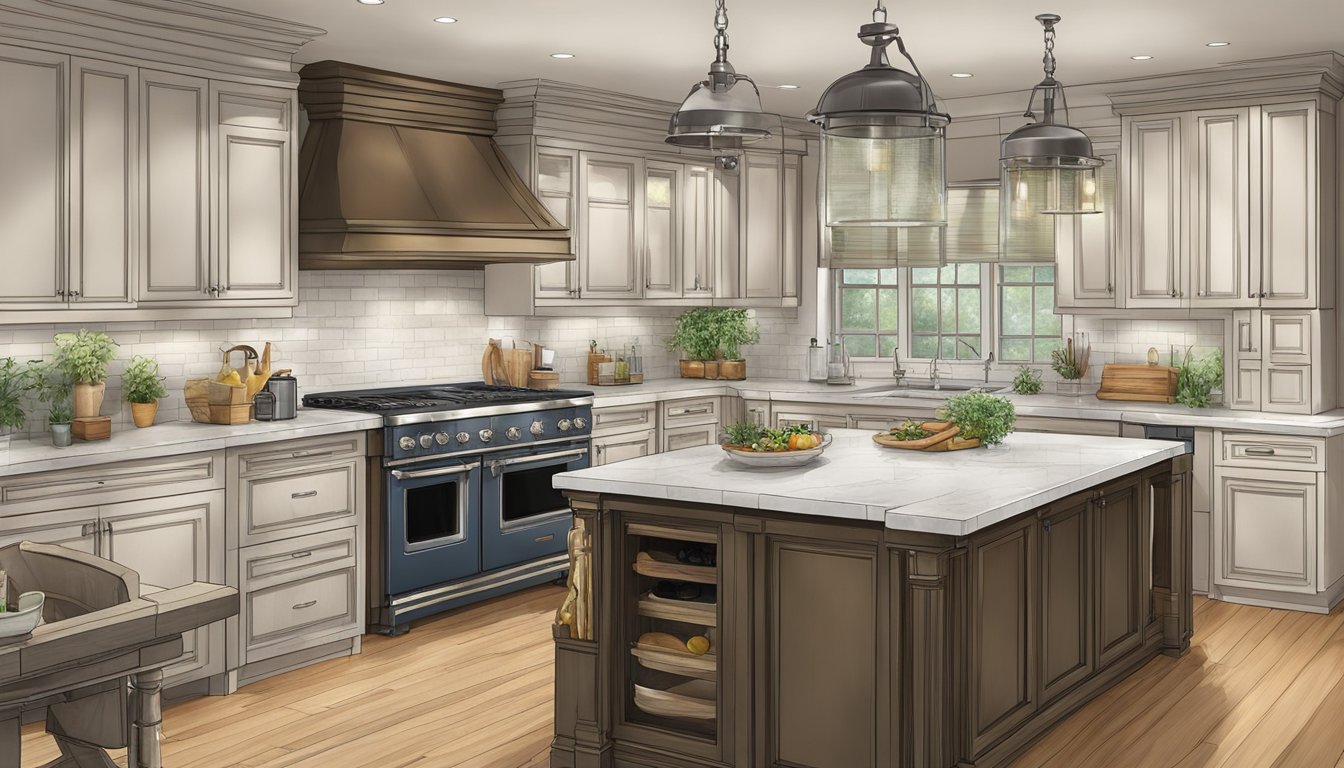
The hood should suit the hob below it. A small hood over a wider cooking zone may miss smoke and steam from the outer burners. A hood that is too bulky can make a compact kitchen feel heavy, especially in a BTO flat with upper cabinets close to the hob.
If you cook lightly, a slim or recirculating model may be enough. If you fry, stir-fry, grill, or cook strong-smelling dishes several times a week, prioritise grease capture, filter access, fan speed control, and cleaning convenience. If the hood sounds too loud, you may avoid turning it on, which defeats the point.
For a full cooking setup, compare kitchen hobs together with the hood. The hob width, burner layout, heat output, and cabinet position all affect the hood decision.
Check HDB and condo rules before ducting
Do not assume every kitchen exhaust hood can be ducted out through a window, service yard, or wall. HDB flats and condos have property rules that affect renovation work, electrical points, duct routes, external discharge, and nuisance to neighbours.
For HDB homes, check the latest HDB renovation guidelines before planning any duct route, exhaust fan, wall opening, or electrical change. For condos, check the MCST rules and renovation handbook. For resale homes, do not copy what the previous owner did without checking whether it is still allowed.
If you are unsure, choose a recirculating model first, then ask the contractor or installer what is compliant for your exact home. A tidy-looking duct is not automatically an approved duct.
Plan the cabinet layout around the hood
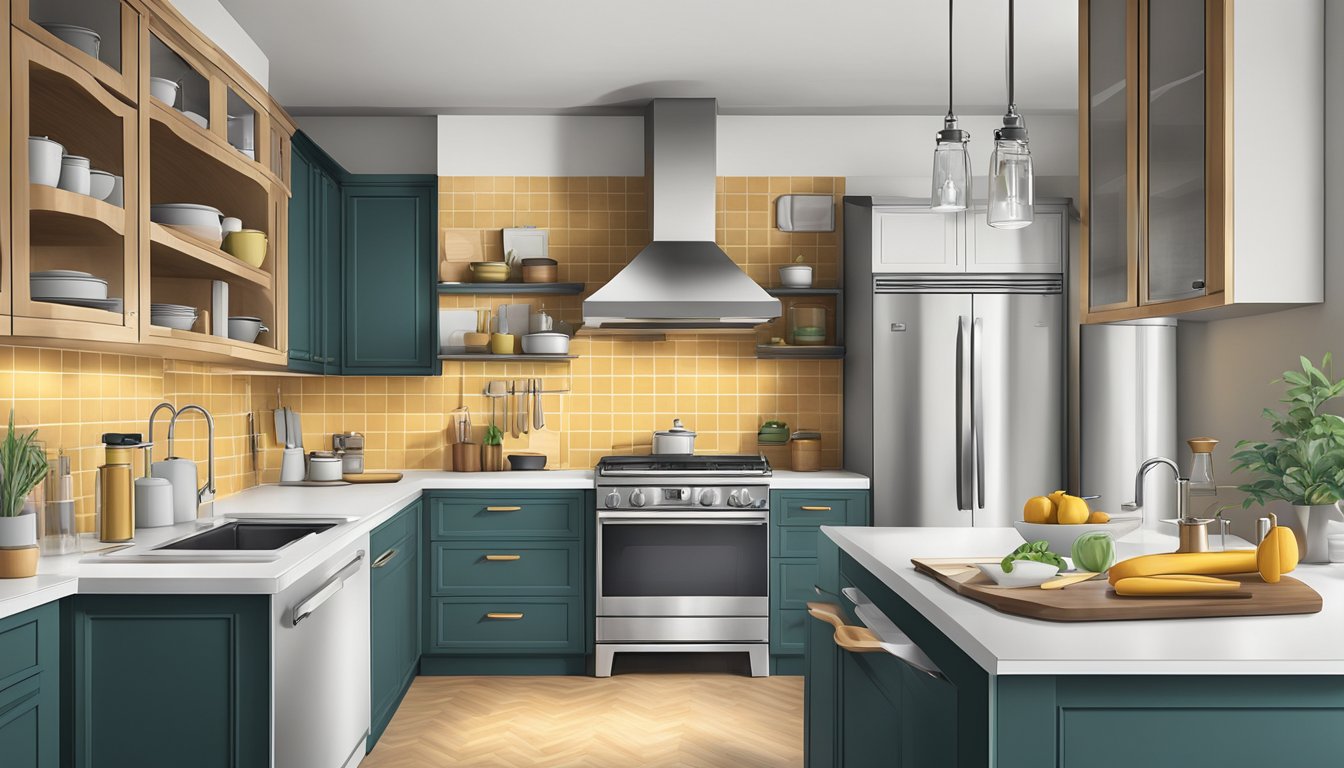
A kitchen hood is not only an appliance decision. It affects upper cabinets, shelves, backsplash height, lighting, power points, and daily cleaning. If you buy the hood after the cabinet design is fixed, you may be forced into a model that fits the carpentry rather than your cooking routine.
Before confirming carpentry, note the hood width, installation clearance, plug position, wall support, filter access, and whether cabinet doors can open after the hood is installed. For compact kitchens, the hood should feel integrated, not like an appliance squeezed in at the end.
If the kitchen renovation includes storage, compare kitchen cabinets for HDB and condo kitchens after confirming hob and hood sizes.
Maintenance matters more than most buyers expect
A kitchen exhaust hood works only if it is cleaned. Grease filters, charcoal filters, stainless steel surfaces, glass panels, and the underside of the hood all need regular care based on the product instructions. If your household fries often, cleaning needs to happen more often too.
Recirculating hoods rely heavily on filters because the air returns to the kitchen. That makes filter replacement and availability important. Ducted systems still need grease-filter cleaning and duct care where applicable. Do not buy a hood with filters that are awkward to remove if you already know nobody at home enjoys cleaning appliances.
What to check before buying a kitchen exhaust hood
- Hob width and cooking zone layout.
- Upper cabinet height, depth, and door swing.
- Whether the model is recirculating, ducted, or convertible.
- Filter type, cleaning method, and replacement availability.
- Noise level and fan speed settings.
- Electrical point position and installation requirements.
- Current HDB, condo, landlord, or renovation rules.
For wider appliance planning, browse kitchen appliances for new homes so the hood, hob, oven, refrigerator, and dishwasher decisions do not fight for the same cabinet space later.
Local delivery and installation support matter with appliances because wrong fit, missing clearance, or unsuitable installation can delay the whole kitchen handover. Every order ships locally, and after-sales support is handled from Singapore. Complimentary delivery and professional installation are available on qualifying orders. The team is reachable at +65 6950-2657, Monday to Friday, 9am to 6pm.
Who may not need a kitchen exhaust hood?
A full kitchen exhaust hood may not be necessary if you cook very lightly, live in a rental where installation is restricted, or mostly use covered pots, microwave ovens, and low-oil cooking. In those homes, good window ventilation, regular cleaning, and an air purifier may be enough for daily comfort, though they will not replace grease capture above the hob.
However, if you are renovating a kitchen from scratch and expect to cook regularly, plan the hood early. It is easier to design around a hood than to retrofit one after cabinets, lighting, and power points are already fixed.
Final thoughts on choosing a kitchen exhaust hood
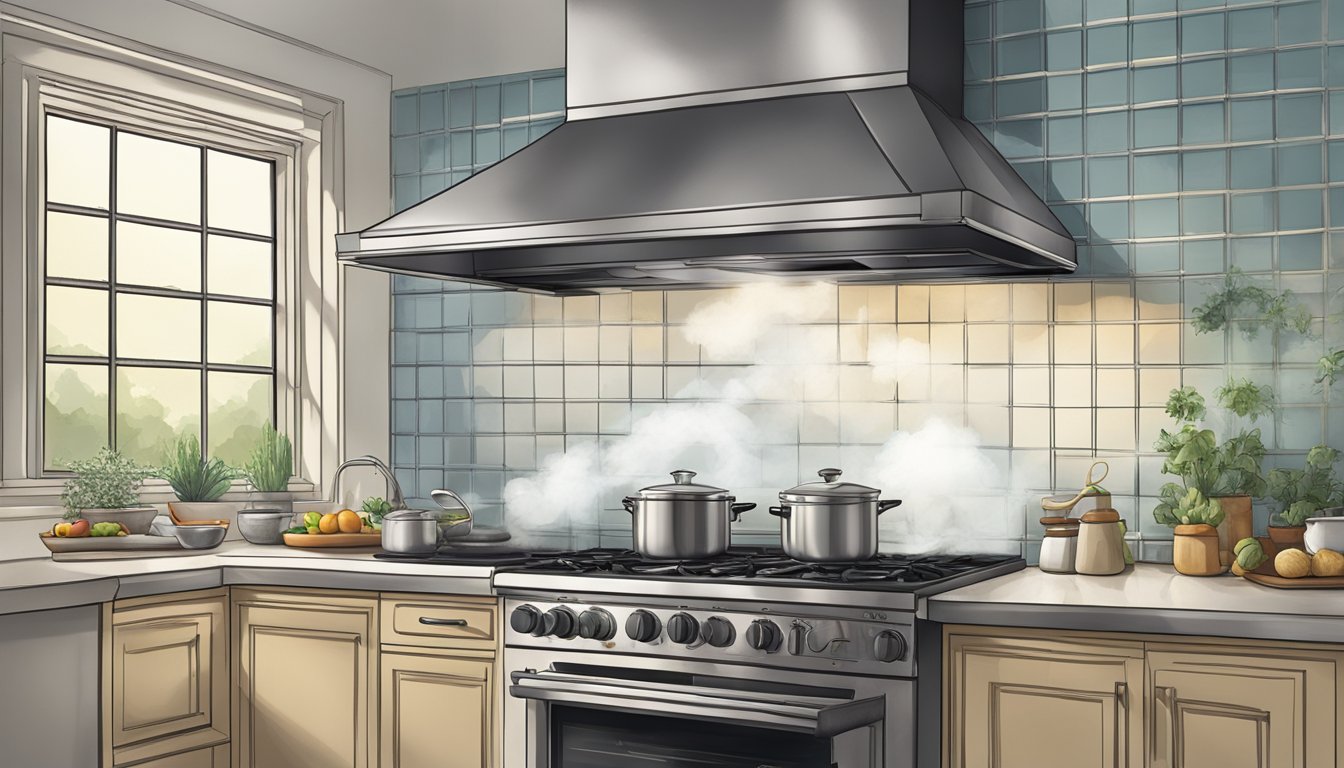
A kitchen exhaust hood is worth considering for any Singapore home that cooks often, especially open kitchens, compact BTO layouts, and households that fry or stir-fry regularly. Choose by cooking habit, hob size, cabinet fit, filter maintenance, and property rules. The right hood should make the kitchen easier to live with, not simply louder and shinier.
Frequently Asked Questions
Is a kitchen exhaust hood compulsory in Singapore homes?
Not every home is required to have one. A hood is strongly worth considering if you cook often, fry regularly, or have an open kitchen, but you should check current HDB, condo, landlord, or renovation rules before installation.
What is the difference between a ducted and recirculating hood?
A ducted hood sends air out through a duct route where allowed. A recirculating hood filters the air and returns it to the kitchen. Recirculating models are often more practical where external ducting is not allowed or not suitable.
How do I choose the right hood size?
Start with your hob width and cabinet opening. The hood should cover the cooking zone properly, fit the available wall or cabinet space, and allow safe installation clearance according to the product instructions.
Do I need a hood for an electric hob?
An electric hob may produce less combustion-related fumes than gas, but cooking still creates steam, grease, and smells. If you cook often, a hood can still be useful above an electric hob.
How often should I clean a kitchen hood?
Follow the product manual. As a general rule, clean grease filters regularly and more often if you fry or stir-fry frequently. Replace charcoal filters according to the manufacturer’s guidance for recirculating models.