


Standard dining table height is usually 28-30 inches, or approximately 71-76 cm, paired with dining chairs that leave comfortable knee space under the tabletop. For most Singapore homes, this standard height is the safest choice for daily meals because it works with common dining chairs, dining benches, and 4-seater dining sets without making people perch, hunch, or knock their knees during dinner.
You have got the BTO keys, and the dining area is already doing three jobs: meal space, homework spot, and the place where parcels land. Dining table height matters because one wrong measurement can make an otherwise beautiful table annoying every single day.
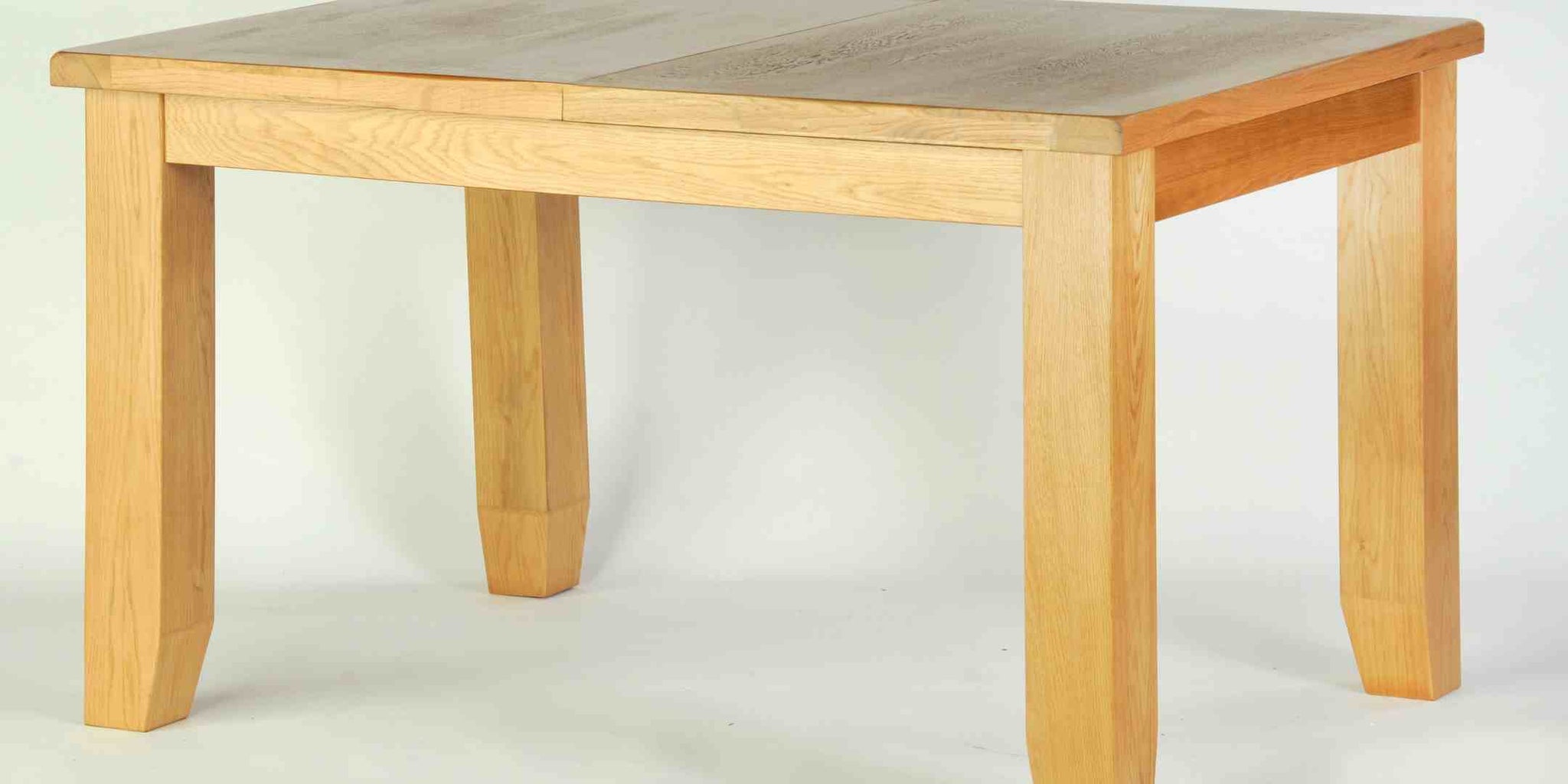
What is the standard dining table height?
The standard dining table height is 28-30 inches, approximately 71-76 cm. This is the most practical range for everyday dining because it fits common dining chairs and gives most adults enough legroom.
For most Singapore households, standard height is the right choice. Counter-height and bar-height tables can look stylish in a showroom, but for daily rice, soup, homework, and family meals, a standard dining table is easier to use and easier to match with chairs.
| Table type | Typical height | Approximate height in cm | Best for |
|---|---|---|---|
| Standard dining table | 28-30 inches | Approximately 71-76 cm | Daily family meals, HDB and condo dining areas, dining sets |
| Counter-height table | 34-36 inches | Approximately 86-91 cm | Casual kitchen corners, breakfast-style dining, taller stools |
| Bar-height table | 40-42 inches | Approximately 102-107 cm | Entertainment corners, bar stools, occasional drinks and snacks |
How to match dining table height with chair height
A dining table only feels right when the chair height works with it. For a 30-inch table, a chair seat height of 17-19 inches, approximately 43-48 cm, usually gives comfortable leg clearance. The key is the space between the chair seat and the underside of the table.
As a practical guide, aim for about 10-12 inches, approximately 25-30 cm, between the chair seat and the underside of the tabletop. This lets diners sit naturally, move their knees, and stand up without feeling trapped.
| Table height | Best seating match | Comfort check |
|---|---|---|
| Standard dining table | Standard dining chair or dining bench | Knees should fit easily under the table without shoulders lifting |
| Counter-height table | Counter stool | Feet should rest on a stool rail or foot support |
| Bar-height table | Bar stool | Best for short meals or drinks, not long family dinners |
If you are buying chairs separately, compare seat height, chair width, and whether the chairs can tuck under the table. A chair that is too tall makes the table feel cramped. A chair that is too low makes everyone lift their elbows like they are eating at a counter.
For easier matching, browse dining sets where the table and chairs are already planned to work together.
Why dining table height affects comfort
Dining table height affects posture, elbow position, knee clearance, and how naturally people reach for food. Too high, and children or shorter adults may feel like they are reaching upward. Too low, and taller diners may hit their knees or hunch over the table.
The right height also helps the dining area look balanced. In a compact HDB layout, a bulky table that sits too high can visually crowd the room. A standard-height table with slimmer chairs usually feels calmer and more natural beside the sofa, kitchen cabinets, or sideboard.
Standard dining table height for HDB and condo homes
In many Singapore homes, the dining area sits between the kitchen and living room. That means the table must work as part of the walkway, not just as a dining surface. A standard-height table is usually the most flexible choice because it pairs well with regular dining chairs, benches, and compact dining sets.
Height is only one part of the fit. For dining comfort, allow around 60 cm of table edge per diner. Behind dining chairs, leave around 90-100 cm where possible so people can pull chairs out and move around the table without bumping into nearby furniture.
| Planning point | Recommended guide | Why it matters |
|---|---|---|
| Table height | 28-30 inches, approximately 71-76 cm | Works with common dining chairs |
| Table edge per diner | Around 60 cm | Gives each person enough elbow room |
| Chair pull-out space | Around 90-100 cm where possible | Lets diners sit and stand comfortably |
| Main walkway | Keep the clearest route open | Important in open-plan dining and living areas |
For everyday dining, start with standard dining tables before considering taller counter or bar styles.
Counter-height and bar-height dining tables
Counter-height tables are usually 34-36 inches, approximately 86-91 cm. They can work in a casual kitchen corner or breakfast nook, especially when paired with proper counter stools. They are not ideal for young children, elderly family members, or anyone who prefers both feet flat on the floor during meals.
Bar-height tables are usually 40-42 inches, approximately 102-107 cm. These are better for drinks, snacks, and entertainment corners than full family dinners. They can look good, but they are less forgiving for long meals.
The honest trade-off is comfort. Taller tables create a casual cafe feel, but standard dining table height is still better for households that eat proper meals at the table most days.
If you want a taller casual setup, compare bar tables with the matching stool height before buying.
Dining table height for children and older family members
Children's dining tables in the original height range often sit around 20-22 inches, approximately 51-56 cm. That can work for play, craft, and child-sized seating, but it is not a substitute for the main family dining table.
For older family members, standard height is usually easier than counter or bar height because it reduces climbing onto stools. Choose chairs with stable legs, supportive backs, and enough space to stand up without squeezing between furniture.
If parents or in-laws visit often, avoid bar-height dining as the main meal setup. A standard dining table with supportive dining chairs is the safer everyday decision.
Before you buy a dining table
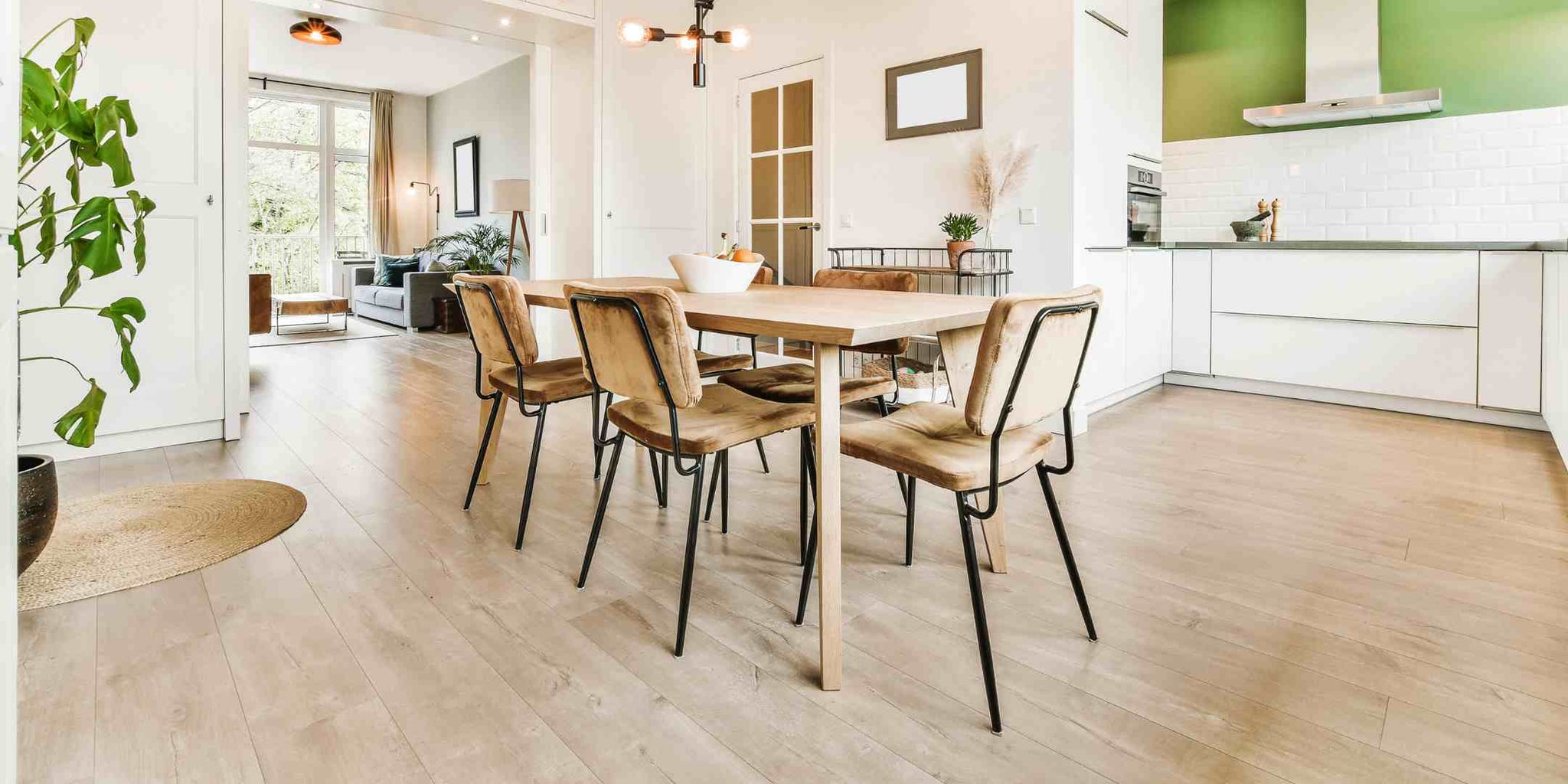
Measure more than the height. Measure the full dining zone with chairs pulled out, then check the delivery route. Many HDB lift openings are approximately 0.8 m wide, main doors are around 0.9 m, and internal room doors are often around 0.8 m. Large tabletops, heavy stone surfaces, and fixed bases need enough space to reach the dining area safely.
- Check the table height against your chair seat height.
- Measure the chair pull-out space behind every seat.
- Open nearby drawers, fridge doors, and kitchen cabinets.
- Walk from the kitchen to the table while carrying a tray.
- Measure the lift, corridor, main door, and dining area before ordering.
Complimentary delivery and professional assembly come with qualifying orders, relevant when a dining table arrives with a heavy top, separate base, and chairs that need proper alignment. A low upfront price can look attractive until self-assembly, delivery damage, and unclear local support become part of the meal.
Material and height should work together
Table height affects comfort, but material affects how heavy the dining area feels. A thick marble or stone table at standard height may still feel visually large in a compact flat. A slimmer wooden or sintered stone table can keep the same dining comfort while looking lighter.
Sintered stone resists scratch, heat, and stain, which is useful if the dining table also works as a homework desk or food prep surface. Marble is beautiful but porous and needs sealing. Solid wood is strong but can expand and contract with Singapore humidity, while plywood is more dimensionally stable.
For a warmer dining area, browse wooden dining tables. For a more wipe-clean family surface, compare sintered stone and other practical finishes.
Final thoughts on dining table height
The best dining table height is the one that lets people sit, eat, talk, and stand up without thinking about the furniture. For most Singapore homes, that means sticking with standard dining table height, matching the chair seat properly, and leaving enough space around the table for daily movement.
A growing share of Mega Furniture's furniture range now comes from its own factories in Batu Pahat, Johor and Foshan, Guangdong, both operational since late 2025. Quality checks happen in-house before pieces ship to Singapore, where delivery and professional assembly are handled locally. It is not the whole range yet, but the programme is expanding through 2028.
FAQs about dining table height
What is the standard dining table height?
Standard dining table height is usually 28-30 inches, or approximately 71-76 cm. This height works with most regular dining chairs and benches.
What chair height works with a 30-inch dining table?
For a 30-inch dining table, a chair seat height of 17-19 inches, approximately 43-48 cm, is usually comfortable. Aim for about 10-12 inches of space between the chair seat and the underside of the table.
Is counter height good for a dining table?
Counter height can work for casual meals, breakfast corners, and homes that prefer stools. For daily family meals, standard dining table height is usually more comfortable and easier for children and older family members.
How much space should I leave behind dining chairs?
Leave around 90-100 cm behind dining chairs where possible. This gives enough space to pull chairs out, sit down, and move around the table comfortably.
Should my dining table and chairs be bought as a set?
A dining set is easier if you want the table and chairs to match in height, style, and seat spacing. Buying separately gives more flexibility, but you must check chair seat height and whether the chairs tuck neatly under the table.