


Before you buy air conditioner options for a Singapore home, decide which room needs cooling, how often you will use it, whether permanent installation is allowed, and what energy label rating fits your long-term running cost. A bedroom used every night usually deserves a properly sized split or inverter air conditioner. A portable air conditioner is better for temporary or restricted spaces, but it is not the strongest long-term answer for most homes.
Renovation just completed, and the flat finally looks livable. Then the first hot night arrives, and suddenly the aircon decision moves from “later” to “this week.”
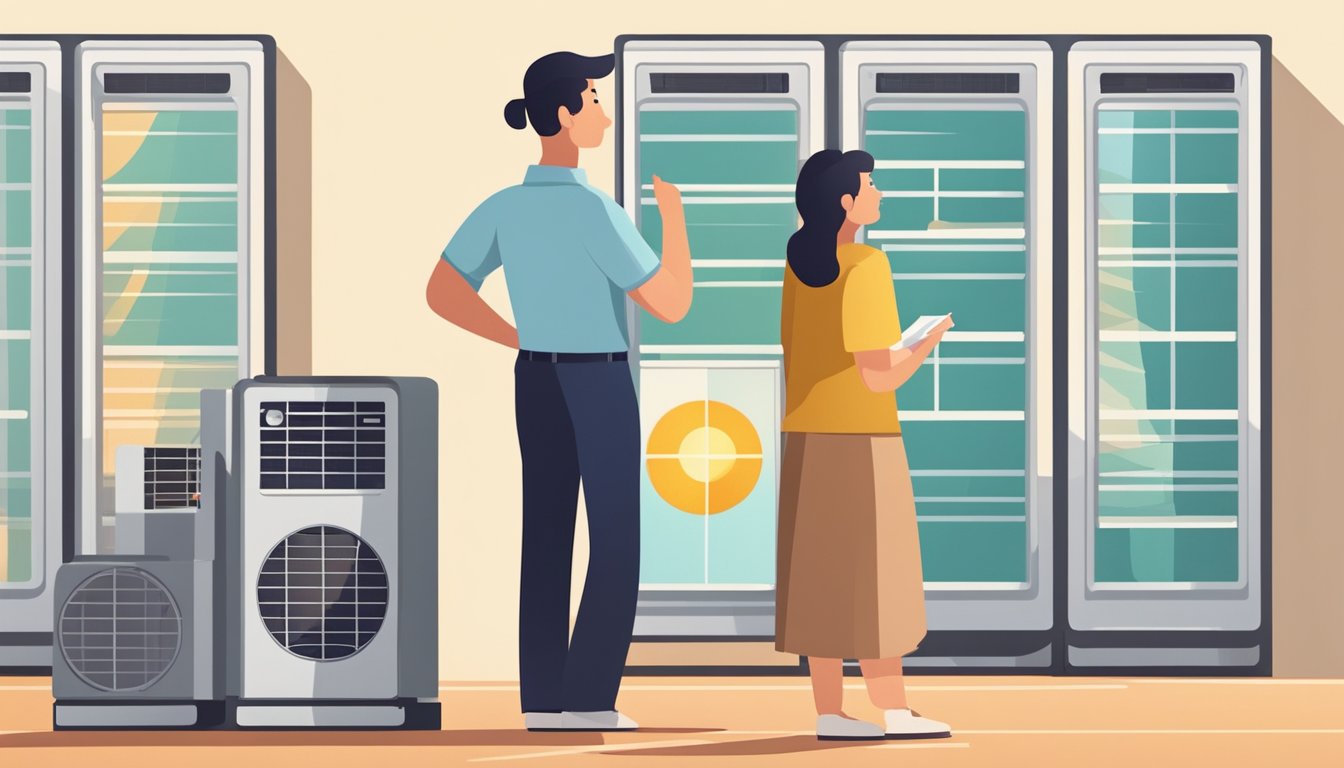
What should you check before you buy air conditioner options?
The right air conditioner is not simply the cheapest unit or the strongest cooling capacity. It must suit the room size, layout, installation route, energy use, and service access. In Singapore, humidity is part of the comfort problem too, so a good cooling setup should help the room feel less warm and less sticky.
For most Singapore bedrooms and home offices, a correctly sized split air conditioner is the most practical everyday choice. Portable units are useful when installation is not possible, but if you own the home and use the room often, a fixed system usually makes more sense.
| Cooling need | Best air conditioner type | Why it works |
|---|---|---|
| One bedroom or study | System 1 or single split air conditioner | Focused cooling for one room without overbuying |
| Two or more rooms | Multi-split system | Lets one outdoor unit support multiple indoor units |
| Rental room or restricted installation | Portable air conditioner | Useful when permanent installation is not allowed |
| Daily bedroom cooling | Inverter split air conditioner | Better for regular use and steadier temperature control |
| Occasional cooling and airflow | Air cooling or fan alternative | Lower commitment if full aircon is unnecessary |
Split air conditioner or portable air conditioner?
A split air conditioner is better for long-term daily cooling. It needs installation, outdoor unit planning, piping, drainage, and servicing access, but it is the more serious solution for bedrooms, master rooms, and living rooms used often.
A portable air conditioner is better when you cannot install a fixed unit. It still needs a way to vent hot air, usually through a window kit, and it takes up floor space. It can help in a rental room or temporary setup, but it is not as neat as a wall-mounted system.
| Choose this | If your situation is | Watch out for |
|---|---|---|
| Split air conditioner | You own the home or can install permanent cooling | Needs installation planning and outdoor unit access |
| Portable air conditioner | You rent, move often, or cannot install a fixed unit | Takes floor space and needs window venting |
| Multi-split system | You want to cool several rooms | Installation scope and system capacity must be planned carefully |
Start with air conditioners in Singapore if you want to compare different home cooling options before narrowing by brand or system type.
How to choose the right cooling capacity
Cooling capacity should match the room. A unit that is too small will struggle and may run for too long. A unit that is too large can cool unevenly and waste energy. Room size matters, but so do afternoon sun, ceiling height, window exposure, insulation, and how many people use the room.
West-facing rooms need extra attention because strong afternoon sun can make bedrooms and living areas warmer by evening. If the room has large windows, poor shading, or regular daytime use, ask for a proper capacity recommendation before buying.
- Measure the room before comparing models.
- Check whether the room faces strong afternoon sun.
- Consider how many people usually use the room.
- Check whether the room is enclosed or open-plan.
- Ask the supplier or installer to confirm the suitable cooling capacity.
If only one room needs cooling, compare System 1 air conditioners before moving into larger multi-room systems.
Energy labels and running cost
Do not judge an air conditioner only by its purchase price. Aircon is an appliance you may run for hours at a time, especially in bedrooms, home offices, and nurseries. The energy label matters because it helps you compare energy efficiency before you commit.
In general, models with more ticks on the Singapore energy label are more energy efficient. That does not mean the highest-rated model is automatically right for every buyer. It means you should compare the purchase price with expected long-term energy use.
The honest trade-off is upfront cost. A more efficient air conditioner may cost more at purchase, but it can make more sense if the room is used every night. For a guest room used twice a month, your priorities may be different.
If energy efficiency is high on your list, browse 4-tick air conditioner options and compare them with current 5-tick models where available.
What installation details matter before buying?
Installation can decide whether an air conditioner works well after delivery. Check the indoor unit location, outdoor condenser position, drainage route, trunking path, power point, and servicing access. If you live in a condo, check management rules before scheduling installation.
In an HDB or BTO flat, planning early during renovation is easier than adding trunking after carpentry, curtains, and feature walls are installed. For resale homes, check existing piping and whether it should be reused or replaced.
| Installation check | Why it matters |
|---|---|
| Indoor unit placement | Airflow should reach the room without blowing directly at the bed or desk all night |
| Outdoor unit access | Condenser placement affects installation, servicing, and future repairs |
| Drainage route | Poor drainage planning can lead to leaks and water issues |
| Trunking path | Visible trunking affects how the room looks after renovation |
| Servicing access | Filters and units must remain reachable for regular cleaning and maintenance |
Which air conditioner features are worth paying for?
Useful features depend on how the room is used. A bedroom needs quiet operation, steady cooling, and a remote that is easy to use in the dark. A home office needs reliable temperature control through long working hours. A living room may need stronger airflow or a larger system because the space is more open.
- Inverter technology: useful for rooms cooled for long periods.
- Quiet operation: important for bedrooms, nurseries, and WFH rooms.
- Timer and sleep mode: useful if you do not want the unit running all night.
- Easy-clean filters: important in humid homes and dusty rooms.
- Smart controls: helpful if you use scheduling or app control, but not essential for every home.
Do not pay for features you will never use. If the room only needs cooling at bedtime, quiet operation and energy efficiency matter more than a long list of smart functions.
Before you buy air conditioner units online
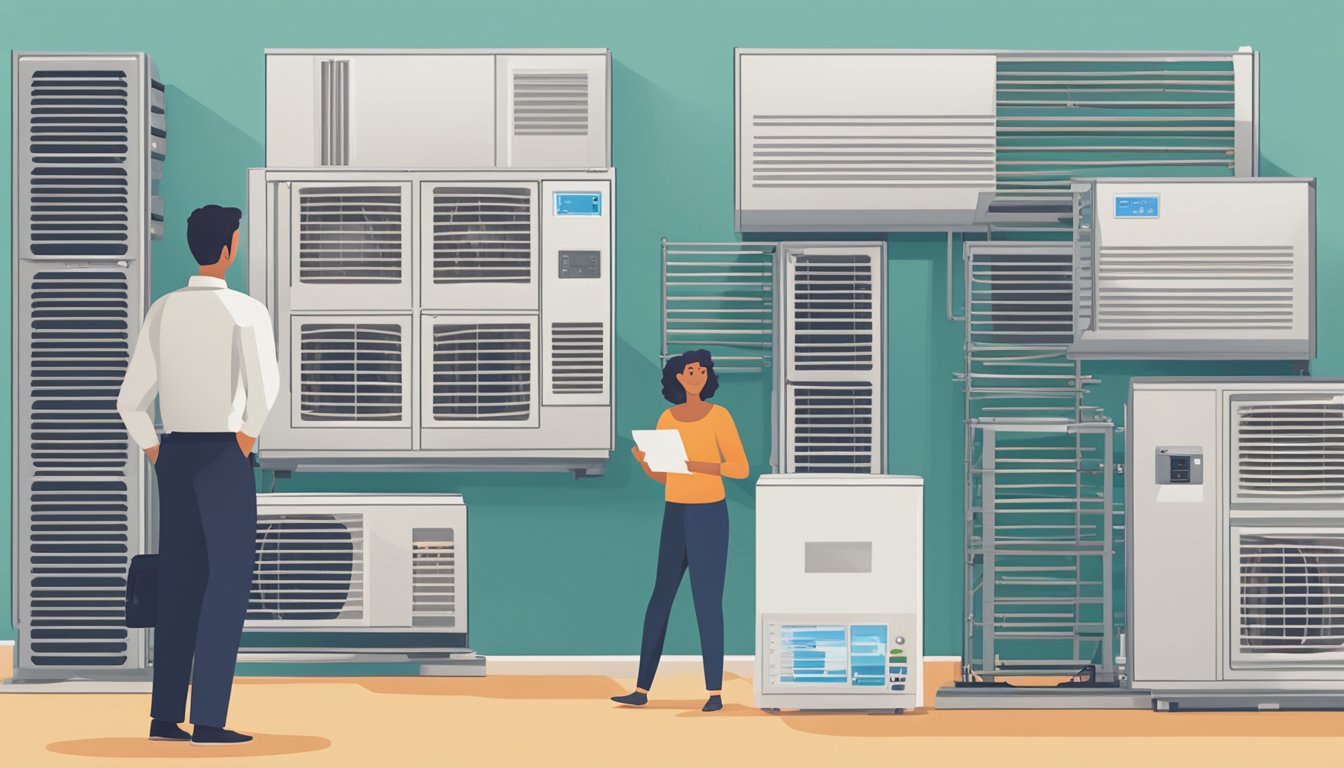
Buying online is convenient, but air conditioners are installed appliances. Check the model, cooling capacity, system type, installation scope, warranty terms, delivery timing, and whether the listed price includes everything you expect.
For appliance and aircon purchases, local delivery, installation, and service support matter because the unit becomes part of the home. Every order ships locally, and after-sales support is handled from Singapore. Complimentary delivery and professional installation are available on qualifying orders. The team is reachable at +65 6950-2657, Monday to Friday, 9am to 6pm.
Air conditioner alternatives for lighter cooling
Not every room needs a full air conditioner. If the space only feels warm during the afternoon or needs better airflow while the aircon is off, a fan, air cooler, or air-care appliance may be enough. This is especially true for service yards, study corners used occasionally, and rooms where installation is not practical.
Compare air cooling and air care appliances if you need airflow or cleaner-feeling indoor comfort without installing a full aircon system.
Final thoughts before you buy air conditioner options
The best air conditioner is the one that suits the room, not the loudest promotion. Measure the space, choose the right system type, check the energy label, confirm installation needs, and keep servicing access in mind. For daily bedroom use, a properly sized split or inverter unit is usually worth planning carefully. For temporary cooling, portable options still have a place.
FAQs about buying an air conditioner
What should I check before I buy air conditioner units?
Check the room size, cooling capacity, energy label, installation requirements, drainage route, outdoor unit placement, noise level, and after-sales support before buying.
Is a portable air conditioner good for Singapore flats?
A portable air conditioner can work for rental rooms, temporary setups, or spaces where permanent installation is not allowed. For daily long-term cooling, a split air conditioner is usually more practical.
Is inverter aircon worth it?
Inverter aircon can be worth it for rooms used often because it adjusts output instead of simply switching on and off. It is especially useful for bedrooms and home offices cooled for long periods.
How do I choose aircon size for my room?
Measure the room and consider window exposure, afternoon sun, ceiling height, number of users, and whether the room is enclosed. Ask the supplier or installer to confirm the suitable cooling capacity.
Should I choose the cheapest air conditioner?
No. A low purchase price can be tempting, but air conditioners also involve installation, running cost, servicing, and support. Compare the full cost and suitability before choosing.lat.