


The right aircon dimension is not just the size of the indoor unit, but the space needed for the outdoor air conditioner compressor, airflow clearance, piping access, and safe servicing. In Singapore homes, especially HDB flats and condos, the compressor unit must fit the approved ledge or outdoor area without blocking ventilation or maintenance access. Always check the exact model specifications, measure the installation area, and confirm the layout with a licensed installer before buying.
Renovation just completed, the walls are fresh, the trunking route is planned, and suddenly someone asks, “Can the air con compressor actually fit outside?” This is the part many homeowners only think about after choosing the aircon brand.
An air conditioner compressor is the outdoor part of a split aircon system. It compresses refrigerant and helps move heat out of the room, which is why its size, placement, and ventilation matter. A compact unit may look easier to install, but a cramped installation can still affect cooling performance, noise, and servicing access.
What aircon dimension should you check before buying?
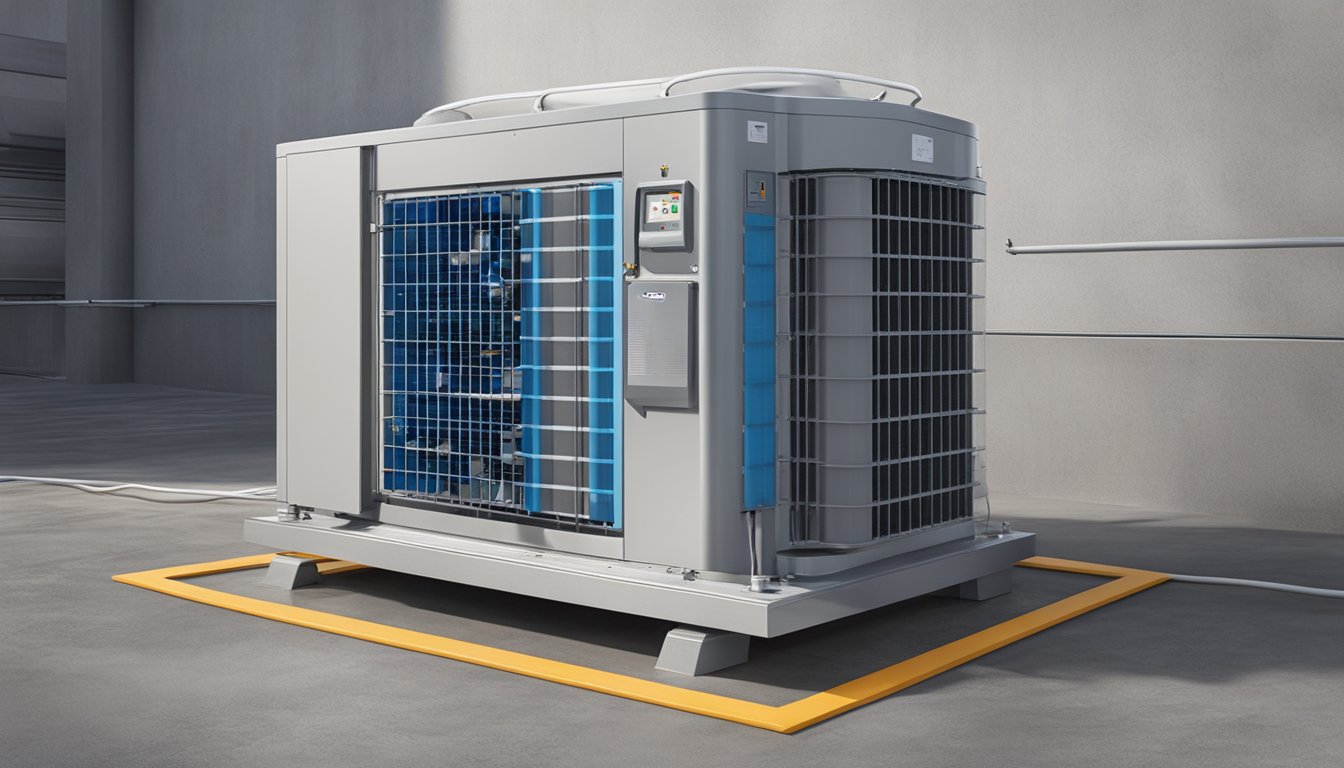
Check four measurements before choosing an aircon: the indoor unit width, the outdoor compressor unit size, the service clearance around the compressor, and the piping route between both units. The outdoor compressor is the measurement most Singapore homeowners underestimate.
For HDB and condo homes, the aircond compressor usually sits on an aircon ledge, balcony service area, or approved outdoor bracket. That space is not unlimited. If the compressor unit fits physically but leaves no room for airflow or maintenance, it is not a good fit.
The practical position is this: for most Singapore flats, compressor placement should be confirmed before the indoor aircon model is finalised, not after. Cooling capacity matters, but installation reality decides whether the system will work cleanly in your home.
Aircon dimension checklist for Singapore homes
| What to Measure | Why It Matters | What to Do Before Buying |
|---|---|---|
| Outdoor compressor width, height, and depth | The air con compressor must fit the approved outdoor area without blocking airflow. | Compare the model’s official dimensions with your ledge or installation space. |
| Airflow clearance | A compressor unit needs breathing room to release heat properly. | Do not plan a tight installation just because the box itself fits. |
| Access for servicing | Technicians need room to inspect, clean, and repair the air conditioner compressor. | Leave enough practical access around the unit where possible. |
| Piping and drainage route | Poor routing can make installation messy and future repairs harder. | Ask the installer to confirm the path before renovation carpentry is fixed. |
| Electrical access | The compressor needs safe power connection and isolation access. | Have this checked by a qualified technician, not guessed from a floor plan. |
Why the air conditioner compressor size matters
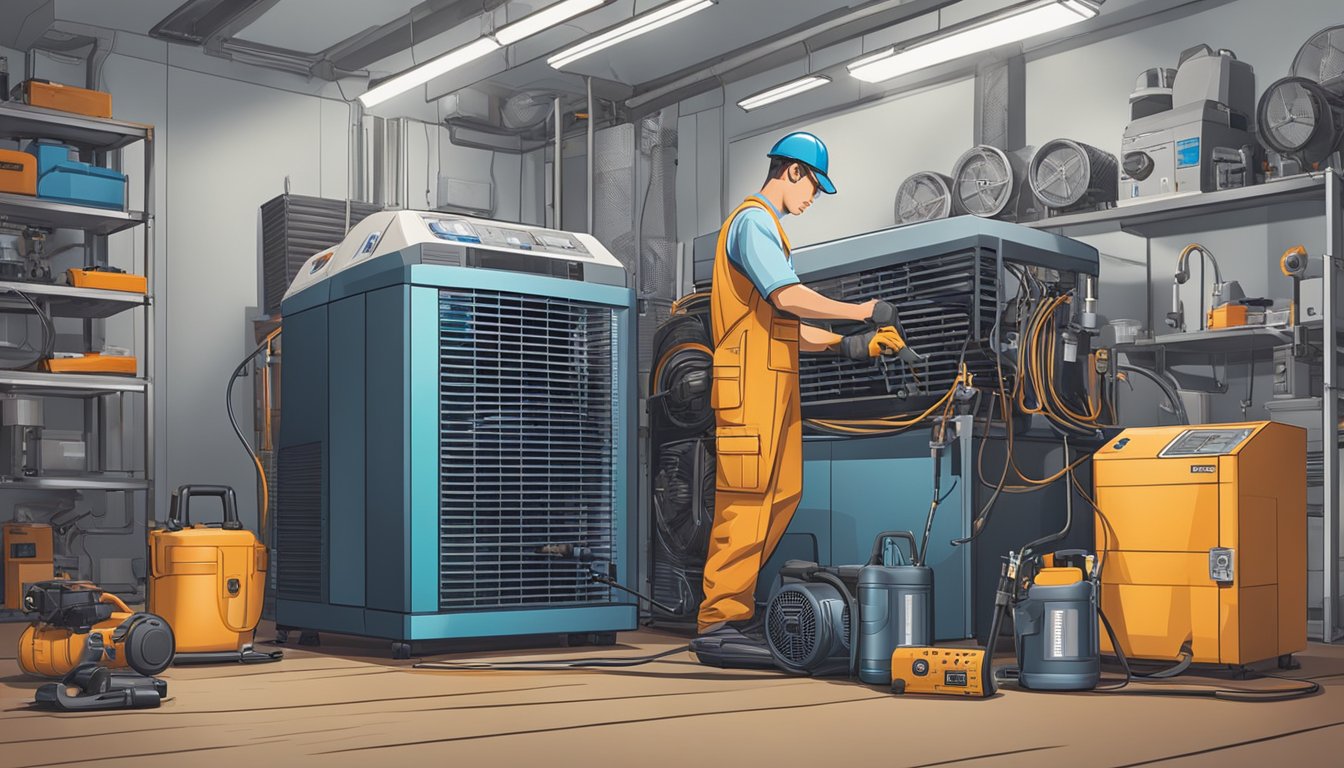
The compressor is not decorative equipment. It handles the heavy work of cooling by compressing refrigerant and helping transfer heat away from the indoor space. A poorly matched or badly placed compressor can make the aircon work harder than it should.
Too small a system may struggle to cool the room, especially in a west-facing unit with strong afternoon sun. Too large a system can cycle on and off more often than necessary, which may affect comfort and energy use. The right choice depends on room size, heat exposure, ceiling height, insulation, window area, and how often the room is used.
Singapore humidity adds another layer. A bedroom that is closed most of the day, a living room with full afternoon sun, and a study used for long WFH hours will not have the same cooling needs. That is why sizing should be done by room conditions, not by guessing from the neighbour’s setup.
Types of compressor units and what they mean for size
Rotary compressors
Rotary compressors are commonly used in residential aircon systems. They are generally compact and suitable for many HDB and condo installations. If you need a practical home setup and have limited outdoor space, this type is often easier to accommodate.
Scroll compressors
Scroll compressors are often associated with smoother operation and good efficiency. They may be used in systems where stable performance is important. Depending on the model, the outdoor compressor unit may need more installation space, so always check the specification sheet.
Reciprocating compressors
Reciprocating compressors are an older and more mechanical design. They can still appear in some systems, but they are not always the quietest or most space-efficient choice for a modern Singapore home.
Commercial compressor systems
Larger systems such as screw or centrifugal compressors are usually more relevant to commercial buildings than typical homes. They are not the focus for most HDB, BTO, resale flat, or condo buyers.
How to choose the right compressor unit for your room
Start with the room, not the catalogue. A small bedroom with limited direct sun has different requirements from a living room connected to a dining area. If the space is open-plan, west-facing, or used throughout the day, the cooling load can be higher.
- For bedrooms: choose based on room size, sleeping comfort, and quiet operation.
- For living rooms: consider open layouts, afternoon sun, and how many people usually use the space.
- For WFH rooms: factor in longer running hours and heat from computers or monitors.
- For multi-split systems: confirm whether one outdoor compressor can support the number of indoor units planned.
An installer should calculate the cooling capacity needed and confirm whether the selected aircond compressor can support the indoor units. The larger question is not “What is the biggest unit I can buy?” It is “What is the right size for this room and this installation space?”
Before you install: ledge, corridor, doorway, and access checks
For furniture, the lift problem is about getting a large item through the door. For aircon, the version of that problem is access. The compressor may need to pass through your home, service yard, balcony, or corridor before installation. In many HDB blocks, lift openings are approximately 0.8 m wide and main doors are around 0.9 m wide, so bulky equipment should still be checked before delivery.
Measure the route from delivery point to installation area. Check the lift, corridor turns, main door, service yard access, and any fixed cabinets that may block movement. If your renovation includes built-in storage near the service yard or balcony, confirm the compressor route before carpentry is completed.
Local delivery, installation, and after-sales support matter here. A compressor unit is not something most homeowners want to troubleshoot alone, especially when piping, drainage, and electrical work are involved. Every order ships locally, and after-sales support is handled from Singapore. Complimentary delivery and professional installation are available on qualifying orders. The team is reachable at +65 6950-2657, Monday to Friday, 9am to 6pm.
Common air con compressor installation mistakes
Choosing the indoor unit first
Many buyers start with the indoor unit because that is the part they see every day. That makes sense visually, but the outdoor compressor often decides what can actually be installed. Check both sides of the system together.
Ignoring airflow clearance
A compressor releases heat. If it is boxed in too tightly or placed where hot air cannot escape, it may work harder than necessary. This can affect cooling comfort and long-term reliability.
Forgetting future servicing
A neat installation that blocks technician access is not neat for long. The condenser coil, fan, casing, and connections may need inspection or cleaning over time. Leave room for human hands, not just the machine.
Assuming every model has the same dimension
Two aircon systems with similar cooling capacity can still have different outdoor unit sizes. Always use the actual specification sheet for the exact model being installed.
Maintenance tips for your air conditioner compressor
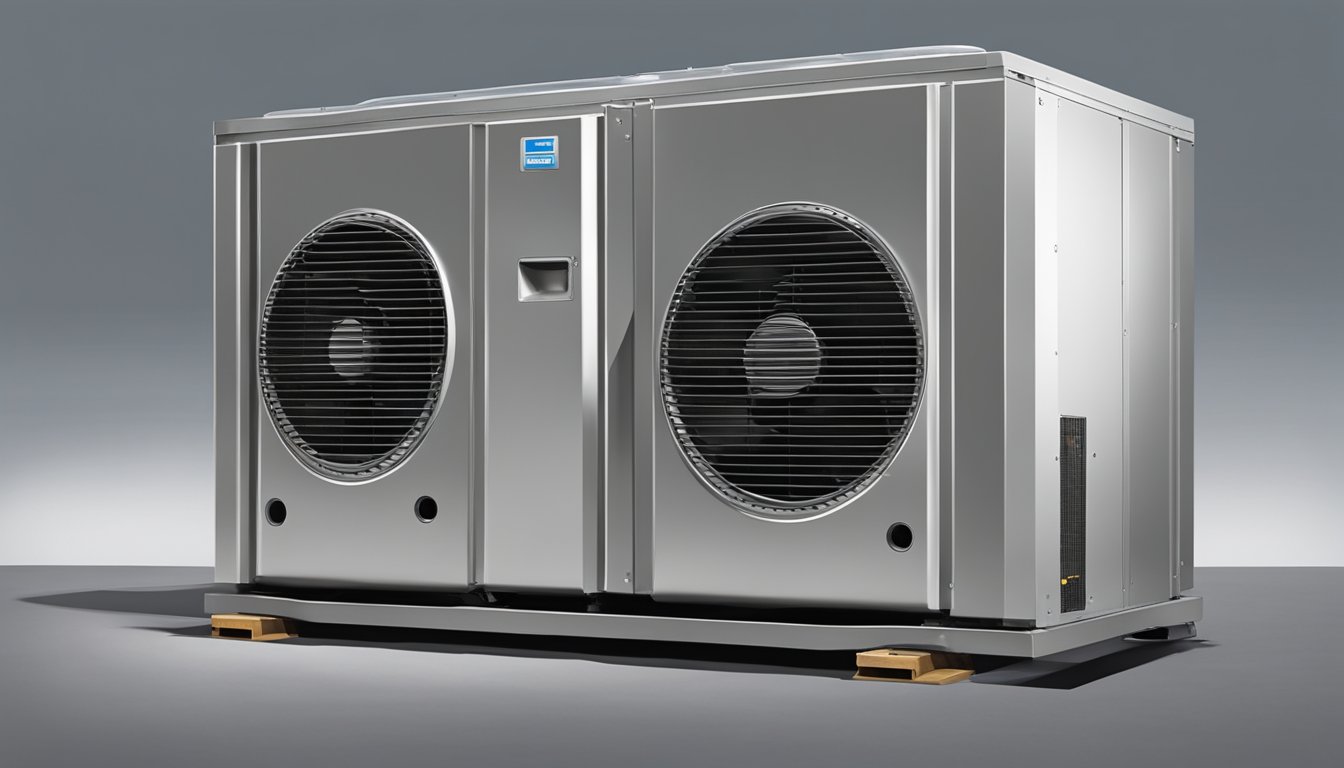
A well-sized compressor still needs care. Keep the outdoor area clear of heavy dust, leaves, and blocked airflow. If the compressor becomes unusually loud, vibrates more than usual, or struggles to cool the room, arrange a professional inspection rather than waiting for a full breakdown.
Regular servicing can include cleaning coils, checking refrigerant levels, inspecting electrical components, and looking for signs of wear. In Singapore’s humid climate, neglect tends to show up quickly. A small issue with airflow or drainage can become a bigger comfort problem during hot months.
When should you replace an old aircond compressor?
Consider replacement if the compressor is old, frequently repaired, noisy, inefficient, or no longer cooling properly despite servicing. Replacing only the compressor may not always be the most practical move. Sometimes, upgrading the whole aircon system gives better long-term value, especially if the indoor unit, refrigerant type, and controls are also dated.
The honest trade-off is cost. A new system requires more upfront planning and installation work. But if your current unit keeps breaking down, the cheaper repair may simply be delaying the same problem.
Frequently Asked Questions
What is the typical aircon dimension for a home compressor?
There is no single standard dimension because it depends on the brand, capacity, and compressor type. Always check the official width, height, and depth of the exact compressor unit before buying.
Is an air conditioner compressor the same as the outdoor unit?
In everyday Singapore usage, many people call the outdoor unit the compressor. Technically, the compressor is one key component inside the outdoor unit, together with parts such as the fan and condenser coil.
Can a bigger compressor cool my room faster?
Not always. A compressor that is too large for the room may cycle too frequently. The better choice is a correctly sized system based on room area, heat exposure, usage, and installation conditions.
Can I install an air con compressor anywhere outside my flat?
No. HDB and condo installations must follow approved locations and building rules. Always check with your installer, managing agent, or relevant authority before confirming placement.
Why does my aircond compressor make noise?
Some operating sound is normal, but loud rattling, buzzing, grinding, or vibration may point to loose parts, fan issues, poor mounting, or compressor wear. Have it checked by a qualified technician.eck out Megafurniture.sg, a leading Singapore ecommerce furniture store.