


The main difference between air purifier and humidifier is simple, an air purifier cleans the air, while a humidifier adds moisture to dry air. In most Singapore homes, an air purifier is the more practical first buy because humidity is already high for much of the year. Choose a humidifier only for rooms that feel unusually dry, usually from long hours of aircon. Choose a diffuser for scent, not air quality.
Renovation is done, the walls are fresh, and the home finally feels ready. Then the real-life problems start showing up, dust from nearby works, stale bedroom air, dry throat after sleeping with aircon, and that one corner that always smells a little musty.
That is why the air purifier vs humidifier question matters. A purifier, humidifier, dehumidifier, and diffuser may sit on the same bedside table, but they do very different jobs.
Air Purifier vs Humidifier vs Diffuser: The Fast Comparison
| Device | Main purpose | Best for | Not ideal for |
|---|---|---|---|
| Air purifier | Filters dust, smoke, pollen, pet dander, and airborne particles | Allergies, haze season, pet homes, bedrooms, nurseries, WFH rooms | Adding moisture or reducing humidity |
| Humidifier | Adds moisture to dry air | Aircon rooms where skin, throat, or eyes feel dry | Already damp rooms or mould-prone corners |
| Dehumidifier | Removes excess moisture from the air | Musty bedrooms, enclosed wardrobes, damp storerooms, laundry areas | Dry aircon rooms |
| Diffuser | Disperses fragrance or essential oils | Relaxation, scent, mood setting | Cleaning air or controlling humidity |
For a typical HDB or condo bedroom, the practical order is purifier first, dehumidifier if the room smells damp, humidifier only if aircon makes the room too dry, and diffuser last if fragrance is the goal.
What Is the Humidifier Purpose?

The humidifier purpose is to add water vapour to dry indoor air. It can make an aircon-cooled bedroom feel less harsh on the throat, nose, eyes, and skin. This is useful if someone wakes up with a dry mouth or feels uncomfortable after sleeping with the aircon running for hours.
In Singapore, though, humidifiers need more caution than they would in a cold, dry country. Ambient humidity is already high, so running a humidifier in a closed room that is not genuinely dry can make the space feel heavy and uncomfortable. It may also worsen dampness if the room has poor ventilation.
Position worth remembering: for most Singapore homes, a humidifier is a niche appliance, not a default bedroom appliance. It earns its place in dry aircon rooms, but it does not belong in every room just because the air feels stuffy.
What Does an Air Purifier Do?

An air purifier pulls air through filters and releases cleaner air back into the room. Depending on the model, it may help reduce dust, pollen, smoke particles, pet dander, mould spores, and other airborne irritants. A True HEPA air purifier is commonly rated to capture 99.97% of particles as small as 0.3 microns.
That makes an air purifier useful in bedrooms, nurseries, pet-friendly homes, and homes near construction, traffic, or renovation dust. It is also a sensible companion for a cleaner sleep setup, especially when paired with breathable bedding and a supportive mattress for Singapore bedrooms.
An air purifier does not add moisture. It also does not remove dampness from a room. If the air feels dusty or stale, think purifier. If the room smells musty or feels damp, the better comparison is air purifier vs dehumidifier.
Air Purifier vs Dehumidifier: Which One Solves Dampness?
Air purifier vs dehumidifier is a common mix-up. An air purifier filters particles from the air. A dehumidifier removes excess moisture. They solve different problems.
If your bedroom has dust, pet dander, haze particles, or allergy triggers, choose an air purifier. If the room feels damp, smells musty, or has moisture building up in corners and wardrobes, choose a dehumidifier. In Singapore, this distinction matters because humidity is a daily reality, not a seasonal surprise.
A dehumidifier can be especially useful in enclosed rooms without regular aircon, laundry areas where clothes dry indoors, or bedrooms with poor airflow. An air purifier can still help with airborne particles, but it will not dry the room.
Air Purifier vs Air Humidifier: Which Is Better for a Bedroom?

For most bedrooms, an air purifier is the safer first choice. It helps reduce airborne particles without adding more moisture to an already humid home.
Choose an air purifier if:
- The room feels dusty even after cleaning.
- Someone has allergies or sensitivity to haze, pollen, pet dander, or dust.
- You have pets at home.
- The bedroom is near a road, renovation site, or construction area.
- You want cleaner air while sleeping.
Choose a humidifier if:
- The room is air-conditioned for long hours.
- Your throat, nose, skin, or eyes feel dry after sleeping.
- The room does not already feel damp or musty.
- You can clean and refill the tank regularly.
If you are choosing between humidifier or purifier for a child’s room, start with the actual symptom. Dusty air points to a purifier. Dry throat after aircon points to a humidifier. Damp smell points to a dehumidifier.
Humidifier or Purifier: How to Decide in a Singapore Home
If the problem is dust, haze, or allergies
Choose an air purifier. This is the clearest case. A humidifier and purifier do not do the same job, and adding moisture will not remove dust from the air.
If the problem is dry air from aircon
Choose a humidifier, but use it only when needed. Aircon can make a bedroom feel dry even in a humid country. The key is not to overcorrect. Run the humidifier for comfort, then switch it off when the air feels balanced.
If the problem is mould, mustiness, or damp wardrobes
Choose a dehumidifier. A humidifier purifier combination may sound convenient, but it is the wrong tool if the room already has too much moisture.
If the problem is smell
Find the source first. A diffuser can make a room smell nicer, but it does not fix stale upholstery, damp wardrobes, old mattresses, or poor ventilation. For bedroom comfort, pair better air habits with practical furniture choices such as a well-ventilated bed frame and easy-to-clean storage.
What About a Humidifier Purifier Combination?
A humidifier purifier, sometimes called an air purifier and humidifier combination, combines filtration and moisture in one unit. It can make sense in an aircon-heavy bedroom where air feels both dusty and dry.
The trade-off is maintenance. A combined air purifier and humidifier needs filter care and water-tank cleaning. If the tank is neglected, the appliance can become a chore instead of a comfort upgrade.
Choose a combination unit if space is tight and the room genuinely needs both cleaner air and added moisture. Choose separate devices if you want more control, especially in a home where some rooms are dry from aircon while others are damp from poor ventilation.
Where Does a Diffuser Fit In?
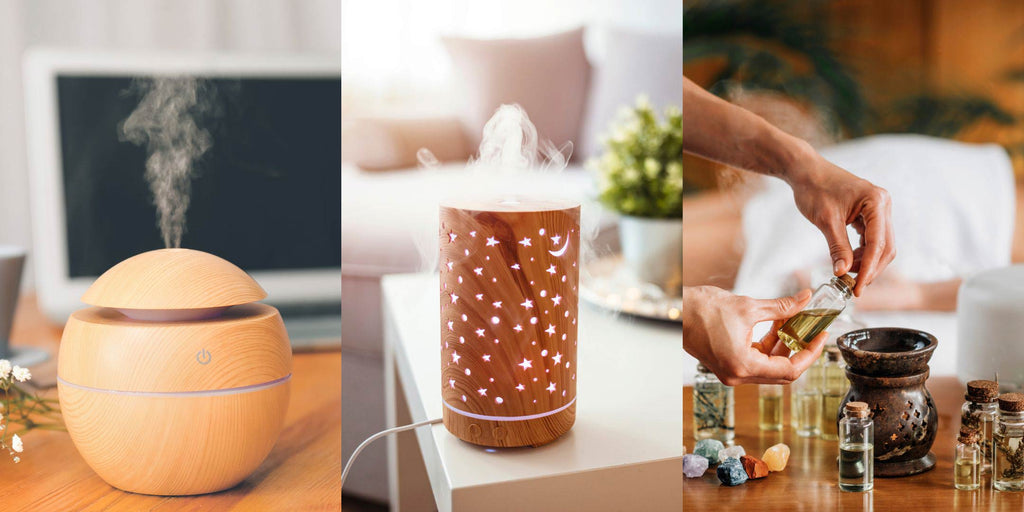
A diffuser is for scent and mood. It releases essential oils or fragrance into the air, usually through mist or airflow. It can make a bedroom, bathroom, or living area feel calmer, but it should not be treated as an air-cleaning appliance.
If you use a diffuser, keep the room well ventilated and avoid overpowering scents. Some people are sensitive to essential oils, especially children, elderly family members, and pets. A lighter scent is usually better than a room that smells like a spa corridor.
For living rooms, keep scent devices away from upholstery and surfaces that can hold residue. If your home has pets or children, choose easy-care pieces such as a fabric sofa with practical maintenance in mind.
Can You Use a Humidifier and Purifier Together?
Yes, you can use a humidifier and purifier together, but placement matters. Keep them apart so moisture from the humidifier does not blow directly into the purifier’s filter. Too much moisture near filters can shorten filter life and make maintenance messier.
Use the air purifier for longer periods if the room is dusty or allergy-prone. Use the humidifier only when the aircon makes the room feel dry. In a Singapore bedroom, this usually means the purifier is the daily device and the humidifier is the occasional helper.
What Should You Buy First?
If you can only buy one, start with the air purifier unless your room has a clear moisture problem. For Singapore homes, cleaner air is often the broader need, while humidifying is more specific to aircon use.
Here is the practical buying order:
- Air purifier: best first buy for bedrooms, pet homes, haze season, and allergy-sensitive households.
- Dehumidifier: best for musty, damp, poorly ventilated rooms.
- Humidifier: best for dry aircon rooms, used with care.
- Diffuser: best for fragrance, not air treatment.
For home appliances and room-comfort essentials, browse Megafurniture appliances alongside bedroom and living room furniture that suits the way your home is actually used.
Every order ships locally, and after-sales support is handled from Singapore. Complimentary delivery and professional installation are available on qualifying orders. The team is reachable at +65 6950-2657, Monday to Friday, 9am to 6pm.
Frequently Asked Questions
What is the difference between air purifier and humidifier?
The difference between air purifier and humidifier is function. An air purifier filters airborne particles such as dust, pollen, smoke, and pet dander. A humidifier adds moisture to dry air. One cleans air, the other changes moisture levels.
Should I get a humidifier or purifier for my bedroom?
Get an air purifier if the room is dusty, allergy-prone, near traffic, or affected by haze. Get a humidifier if the room feels dry after long hours of aircon. If the room smells damp, choose a dehumidifier instead.
Is an air purifier and humidifier combination worth it?
An air purifier and humidifier combination is worth considering if your room needs both cleaner air and added moisture. It is less ideal if you dislike regular cleaning, because the filter and water tank both need attention.
What is the humidifier purpose in Singapore?
The humidifier purpose in Singapore is mainly to reduce dryness caused by aircon. It is not usually needed for naturally humid rooms. Use it only where the air feels genuinely dry, not in rooms that are already damp or musty.
What is better, air purifier vs dehumidifier?
Neither is universally better. Choose an air purifier for dust, haze, allergens, and pet dander. Choose a dehumidifier for dampness, musty smells, and excess moisture. In some homes, both devices may be useful in different rooms.