


A good bathroom dehumidifier for a Singapore toilet should be compact, safe to use in a damp area, easy to drain, quiet, and simple to clean. For most HDB and condo bathrooms, a compact toilet dehumidifier with auto shut-off, washable filter, timer control, and clear drainage options is the practical choice. Singapore humidity already sits high, so the bathroom does not need help becoming damp. It needs steady moisture control after showers, especially if there is limited ventilation.
Renovation is done, the tiles look clean, and the bathroom finally feels new. Then the mirror fogs up every morning, towels stay damp for too long, and the toilet starts smelling musty even after cleaning.
That is where a dehumidifier for toilet use makes sense. It will not replace good ventilation or regular cleaning, but it can help reduce the damp, closed-in feeling that builds up in compact bathrooms.
What Features Should a Bathroom Dehumidifier Have?

A bathroom dehumidifier should be chosen differently from a dehumidifier meant for a bedroom or living room. Bathrooms are smaller, wetter, and closer to water sources. The best unit is not always the biggest one. It is the one that fits safely, removes moisture steadily, and does not turn daily use into extra work.
For a Singapore home, the strongest features to prioritise are:
- Compact size for tight HDB, BTO, and condo bathrooms
- Auto shut-off for safer daily use
- Tank or continuous drainage options
- Quiet operation
- Washable or easy-access filter
- Timer and humidity display
- Low-maintenance cleaning
A toilet dehumidifier is most useful in bathrooms with poor airflow, no window, frequent hot showers, or towels that remain damp long after use.
1. Compact Size That Fits a Small Toilet
Bathroom space in many Singapore homes is already doing a lot. It holds the shower area, toilet bowl, basin, storage shelf, laundry basket, cleaning supplies, and sometimes a child’s bath stool. A bulky appliance will get in the way quickly.
Choose a compact bathroom dehumidifier that can sit on a stable, dry surface without blocking the door, shower screen, or walkway. If the bathroom is very small, a slim portable unit is usually more practical than a large compressor model.
Here is the useful position: in most HDB bathrooms, compact and safe beats powerful and bulky. A dehumidifier that gets moved aside every day will eventually stop being used.
2. Suitable Moisture Removal for Bathroom Use
Capacity matters, but bigger is not always better. Bathrooms deal with short bursts of high humidity after showers, not the same moisture pattern as a whole bedroom or living area.
A compact dehumidifier for toilet use should be able to manage post-shower dampness without overheating the room or taking up too much floor space. For enclosed bathrooms, look for a unit intended for small rooms or tight indoor areas. For larger bathrooms, especially in condo master bedrooms, a stronger unit may be more suitable.
For whole-home moisture control, shoppers can compare options in the dehumidifiers collection and check which models suit bathroom, bedroom, or service-yard use.
3. Auto Shut-Off for Safer Daily Use
Auto shut-off is one of the most important features in a bathroom dehumidifier. Once the water tank is full, the unit should stop by itself instead of continuing to run.
This matters in a toilet because spills are more than an inconvenience. Water on the floor can create slip risks, and electrical appliances should always be used carefully around damp areas. A dehumidifier with auto shut-off reduces the need to keep checking the tank throughout the day.
If the toilet dehumidifier will be used by elderly parents, children, tenants, or helpers, auto shut-off is not a nice extra. It is a sensible feature.
4. Drainage Options That Match Your Bathroom Layout

There are two common drainage styles: tank drainage and continuous drainage. The right choice depends on how the bathroom is laid out and how hands-off the owner wants the appliance to be.
| Drainage Type | Best For | Trade-Off |
|---|---|---|
| Water tank | Small bathrooms, rental homes, and users who want a portable unit | The tank must be emptied regularly |
| Continuous drainage | Bathrooms with a suitable drain nearby | Needs proper hose placement and a more fixed setup |
If the bathroom has a convenient drain point and the unit can be placed safely, continuous drainage reduces daily maintenance. If the layout is tight or the unit needs to move between rooms, a tank model is usually easier.
5. Quiet Operation for Attached Bathrooms
Noise matters more than many buyers expect. A loud dehumidifier in a common bathroom may be tolerable. A loud unit in an attached master bathroom beside the bed is another story.
If the bathroom shares a wall with a bedroom, study corner, or nursery, choose a quieter bathroom dehumidifier. This is especially useful for night use, post-shower drying, or homes where the bathroom door is often left open to improve airflow.
Thermo-electric and desiccant models are often considered for smaller spaces because they can be more compact and quieter than larger compressor-based units. Compressor models may suit bigger areas, but their size and operating sound can feel excessive in a small toilet.
6. Built-In Hygrostat or Humidity Display
A hygrostat helps the dehumidifier read the room’s humidity level and respond accordingly. A humidity display gives the user a clearer idea of how damp the bathroom is before and after use.
This is helpful because bathroom moisture is easy to underestimate. A room may look dry while towels, grout lines, cabinet corners, and hidden wall areas remain damp.
A display is also useful for households trying to understand their routine. If humidity spikes after every hot shower, the timer can be set to run after bathing instead of running all day.
7. Timer Control for Post-Shower Moisture
A timer is one of the simplest ways to make a bathroom dehumidifier more practical. Instead of leaving the unit on for too long, the user can run it after showers, during laundry drying nearby, or at the time the toilet tends to feel dampest.
This is useful for busy homes where the bathroom is used by several people in the morning. The timer keeps moisture control consistent without requiring someone to remember to switch the unit off.
For broader home comfort appliances, the air cooling and air care collection is a practical place to compare options for airflow, humidity, and indoor comfort.
8. Easy-Clean Filter for Fresher Bathroom Air
Bathrooms can trap odours, dust, lint from towels, and airborne particles. A filter helps keep the dehumidifier running properly and supports fresher-feeling air.
The key is easy maintenance. If the filter is hard to reach, it will probably be ignored. Choose a unit with a filter that can be checked, cleaned, or replaced without needing tools or guesswork.
As a simple habit, inspect the filter regularly, especially if the bathroom is used heavily. A clogged filter can reduce performance and make the appliance work harder than it should.
9. Safe Placement and Stable Design
A dehumidifier for toilet use must be placed with care. It should sit on a stable surface, away from direct water spray, and in a spot where its air intake and outlet are not blocked.
Avoid placing it too close to the shower area, basin splash zone, or anywhere a person might kick it while entering the bathroom. If the bathroom is too cramped to position the appliance safely, improve ventilation first and use the dehumidifier outside the bathroom door after showering.
This is the honest trade-off: a bathroom dehumidifier is helpful, but it is not for every toilet layout. If there is no safe dry spot for the appliance, forcing one into the space is the wrong move.
Bathroom Dehumidifier vs Air Purifier: Which One Do You Need?
A bathroom dehumidifier removes moisture from the air. An air purifier focuses on airborne particles such as dust, allergens, and fine pollutants. They solve different problems.
If the toilet feels damp, towels dry slowly, mirrors fog heavily, or musty smells return after cleaning, choose a bathroom dehumidifier first. If the issue is dust, haze, or general indoor air freshness in a bedroom or living area, an air purifier may be more useful.
For air quality concerns beyond the bathroom, shoppers can browse air purifiers for Singapore homes and choose based on room size, filter type, and daily usage.
Before Buying a Dehumidifier for Toilet Use
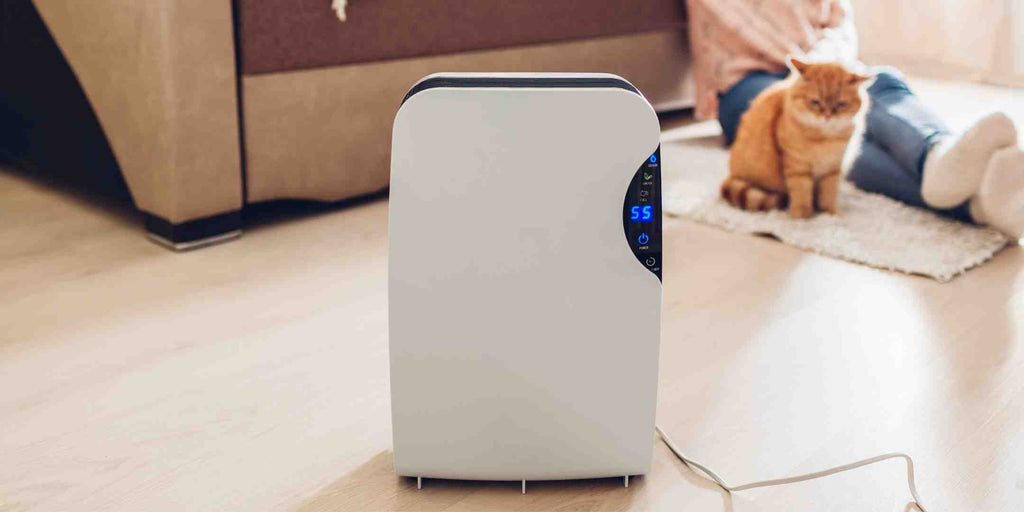
Before buying, check the bathroom layout instead of choosing based only on product photos.
- Measure where the unit will sit.
- Check that the power point is safely positioned away from water.
- Make sure the appliance will not block the door or shower area.
- Decide whether tank drainage or continuous drainage fits the routine.
- Check how easy it is to remove and clean the filter.
- Choose quiet operation if the toilet is attached to a bedroom.
Every order ships locally, and after-sales support is handled from Singapore. Complimentary delivery and professional installation are available on qualifying orders. The team is reachable at +65 6950-2657, Monday to Friday, 9am to 6pm.
Choose the Toilet Dehumidifier You Will Actually Use
The best bathroom dehumidifier is not the most complicated one. It is the one that fits safely, runs quietly, drains easily, and handles the dampness created by daily showers.
For most Singapore homes, start with compact size, auto shut-off, easy drainage, timer control, and simple filter maintenance. Those features do the real work. A dehumidifier toilet setup should make the bathroom easier to live with, not add another chore to the cleaning list.
Frequently Asked Questions
Can I use a dehumidifier in the toilet?
Yes, a dehumidifier can be used in the toilet if there is a safe, stable, dry place to position it. Keep it away from direct water spray and follow the product’s safety instructions.
What is the best dehumidifier for toilet use?
The best dehumidifier for toilet use is compact, quiet, easy to drain, and fitted with auto shut-off. For small bathrooms, avoid oversized units that block movement or create placement issues.
Does a bathroom dehumidifier stop mould?
A bathroom dehumidifier can help reduce excess moisture, which may lower the chance of mould building up. It should still be paired with regular cleaning, ventilation, and drying wet surfaces after use.
Should I choose tank drainage or continuous drainage?
Choose tank drainage if the unit needs to be portable or the bathroom has no suitable drain nearby. Choose continuous drainage if the layout allows safe hose placement and the goal is lower daily maintenance.
Is a toilet dehumidifier enough for a windowless bathroom?
It can help, but a windowless bathroom may still need an exhaust fan, open-door drying time, and regular cleaning. A dehumidifier works best as part of the moisture-control routine, not as the only solution.