


Quick answer: For most Singapore bedrooms, use a fitted sheet as the mattress layer and add a flat sheet only if you want a washable top layer between you and your duvet or blanket.
Renovation just completed, and the first night in a fresh bedroom should not involve fixing loose sheet corners at 2 am. The flat sheet vs fitted sheet choice is less about which one is better and more about how you sleep, how often you wash bedding, and how tidy you want the bed to look.
What is the difference between a flat sheet and a fitted sheet?
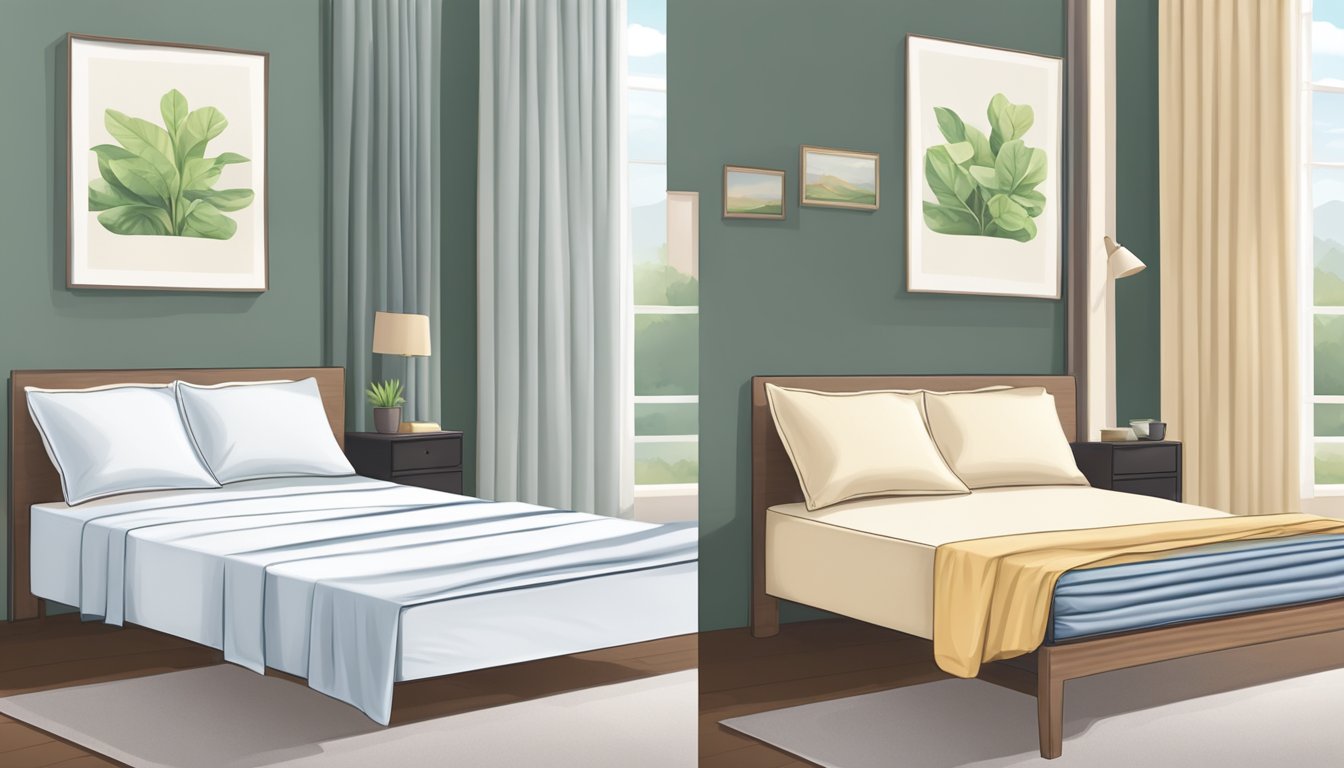
A flat sheet is a large rectangular sheet. It has no elastic corners, so it lies flat and is tucked under the mattress or placed between your body and blanket. A fitted sheet has elasticated edges and sewn corners, so it hugs the mattress and stays in place while you sleep.
In a Singapore home, the fitted sheet does the harder daily job. It protects the mattress surface from sweat, dust, and regular use, which matters in humid bedrooms and rooms without regular aircon. A flat sheet is more optional. It gives you a cleaner layer under a duvet, comforter, or blanket, but it takes more effort to tuck neatly.
Flat sheet vs fitted sheet comparison
| Decision factor | Flat sheet | Fitted sheet |
|---|---|---|
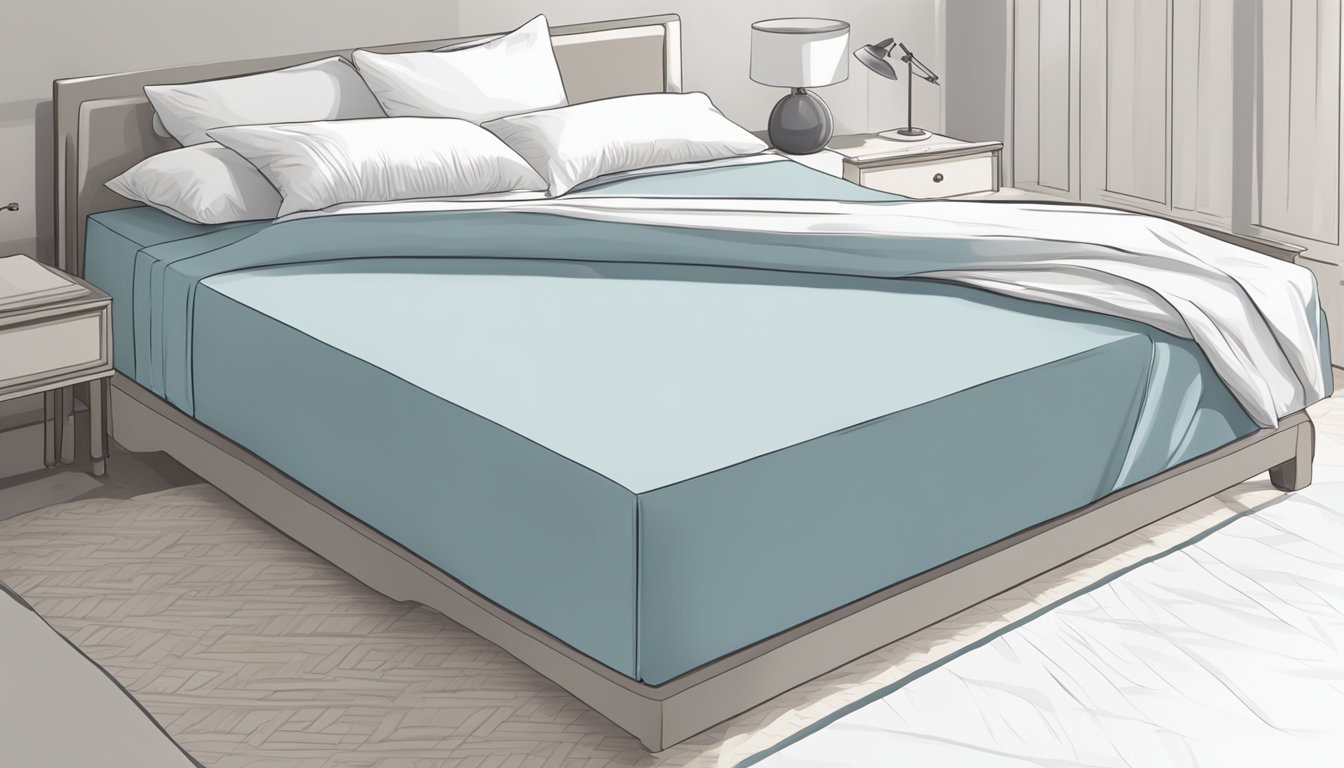
| Main purpose | Works as a top layer between you and your duvet, blanket, or comforter. | Covers the mattress directly and creates the main sleeping surface. |
| Fit | Needs tucking under the mattress to stay neat. | Uses elastic corners to grip the mattress. |
| Ease of use | Simple to fold and store, but more work to keep smooth on the bed. | Easy to put on once the size and pocket depth are right. |
| Best for | Sleepers who want a washable layer under a duvet or prefer a hotel-style bed. | Most everyday beds, especially if you want the mattress covered securely. |
| Common drawback | Can come loose if not tucked firmly. | Can be annoying if the pocket depth does not match the mattress height. |
The practical answer is simple: a fitted sheet is the non-negotiable piece for most beds. A flat sheet is useful, but optional. If you dislike extra layers or make the bed in a rush, skip the flat sheet. If you use a duvet cover but do not want to wash it as often, the flat sheet earns its place.
How to choose the right sheet for your bed
Start with the mattress
Your mattress size decides the sheet size. Singapore standard mattress sizes include Single, Super Single, Queen, and King, so match the sheet to the mattress instead of guessing by bed frame size. This matters because the bed frame can add extra width or length around the mattress. Browse mattresses first if you are still choosing the sleeping surface, then match your bedding after the mattress size is fixed.
Check pocket depth for fitted sheets
Fitted sheets are easy only when the pocket depth suits the mattress. Thick mattresses, mattress toppers, and padded protectors can make a standard fitted sheet pull at the corners. If the elastic keeps slipping off, the problem may not be the sheet quality. The pocket may simply be too shallow.
Use a flat sheet if you want easier laundry
A flat sheet can reduce how often you need to wash heavier bedding. It catches body oils and sweat before they reach your duvet or blanket. This is useful in Singapore, where humid nights can make bedding feel less fresh faster, especially in rooms that are not air-conditioned every night.
Skip the flat sheet if you prefer a simpler bed
Not every bed needs a flat sheet. If you already use a fitted sheet, pillowcases, and a washable duvet cover, adding a flat sheet may feel like one more thing to straighten every morning. For compact HDB bedrooms, a simpler bed setup can be easier to maintain.
Which sheet is better for Singapore homes?
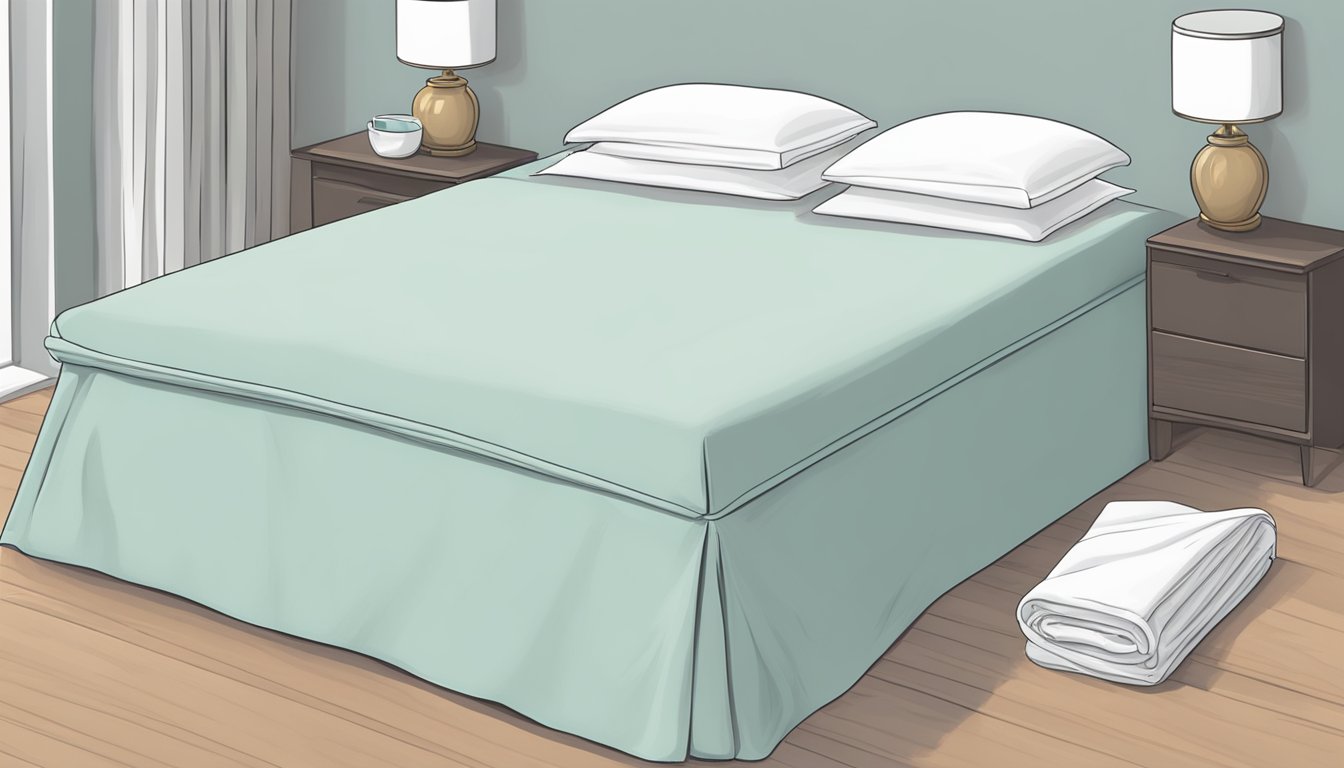
For most homes, fitted sheets are the better everyday choice because they protect the mattress directly and stay in place with less effort. Flat sheets make sense for people who enjoy a layered bed, use a duvet often, or want a cleaner barrier between their body and blanket.
Humidity should also shape the decision. Rooms without regular aircon are more humid, so breathable bedding and regular washing matter. Cotton and cotton-blend sheets are common choices because they feel familiar, wash well, and suit daily use. Linen can feel airy but may crease more. Sateen can feel smoother, while percale usually feels crisper.
Bed type also matters. If you are choosing bed frames at the same time, settle the mattress size before buying sheets. If you are using storage bed frames, a fitted sheet that grips well is especially useful because lifting and closing the storage base can disturb loose bedding.
Delivery and setup are easy to overlook until the bedroom is full of flat-pack boxes. Complimentary delivery and professional assembly come with qualifying orders, which is useful when a bed frame arrives with parts, hardware, and instructions that do not care how small the room feels after renovation.
How to make your bed with both sheets
Start with the fitted sheet. Pull one corner over the mattress, then move to the opposite corner. Smooth the surface before securing the remaining corners. This keeps the tension even and helps reduce bunching.
Next, lay the flat sheet over the fitted sheet with the top edge near the head of the bed. Tuck the foot end under the mattress. If you like a cleaner look, tuck the lower sides as well. Fold the top edge back over your blanket, duvet, or comforter.
The honest trade-off is effort. A bed with both sheets looks neater and feels more layered, but it takes longer to reset each morning. A fitted-sheet-only setup is faster, cleaner-looking, and good enough for many Singapore bedrooms.
Every order ships locally, and after-sales support is handled from Singapore. Complimentary delivery and professional installation are available on qualifying orders. The team is reachable at +65 6950-2657, Monday to Friday, 9 am to 6 pm.
Frequently Asked Questions
Do I need both a flat sheet and a fitted sheet?
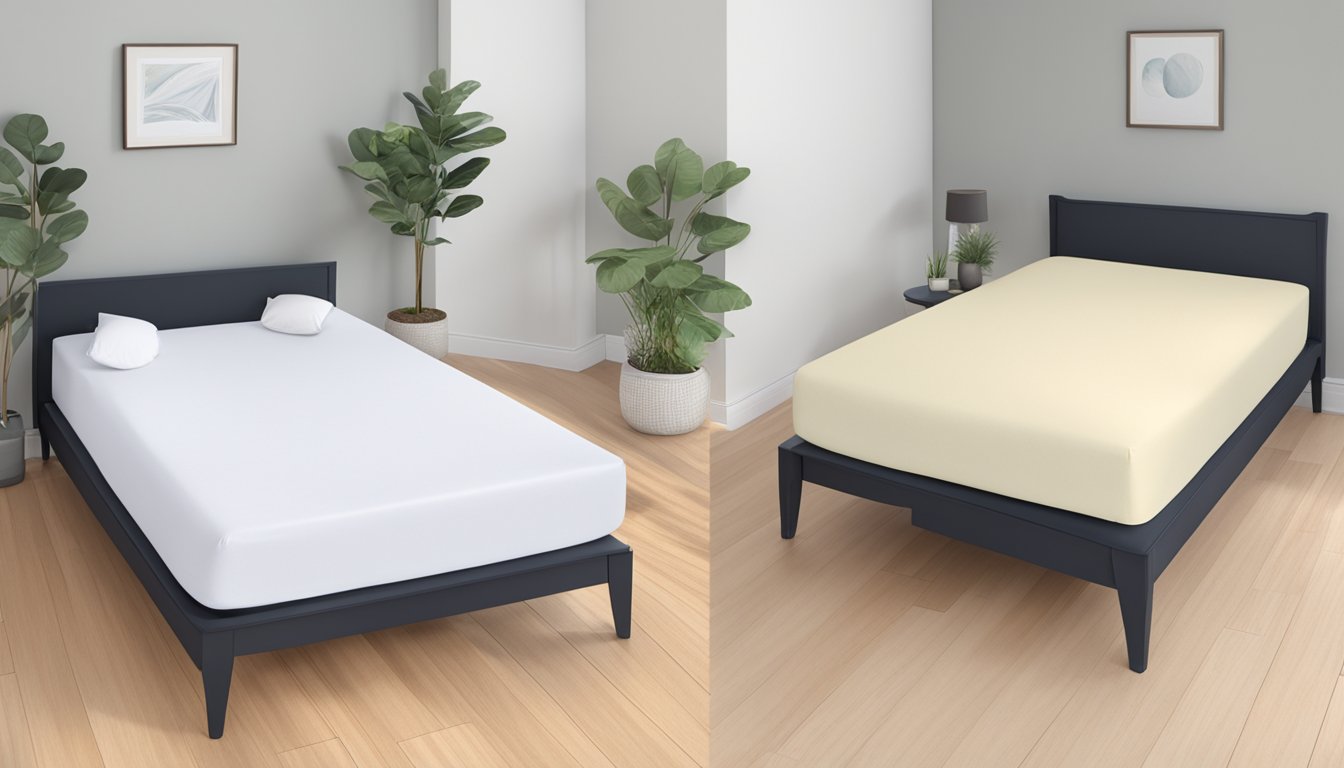
No, you do not need both. Use a fitted sheet if you want the mattress covered securely. Add a flat sheet if you want an extra washable layer under your duvet, blanket, or comforter.
Which goes on the bed first, a flat sheet or a fitted sheet?
The fitted sheet goes on first because it wraps around the mattress. The flat sheet goes on top of the fitted sheet and under your blanket, duvet, or comforter.
Why does my fitted sheet keep coming off?
Your fitted sheet may be too small, or the pocket depth may be too shallow for your mattress. Mattress toppers and thick protectors can also make corners pop loose.
Do hotels use flat sheets or fitted sheets?
Many hotels use flat sheets because they are easy to launder, fold, and rotate across different bed setups. At home, fitted sheets are usually more convenient because they grip the mattress and need less daily adjustment.
Which sheet is easier to wash and store?
Flat sheets are usually easier to fold and store because they have no elastic corners. Fitted sheets are easier to use on the bed, but the elastic corners make folding less tidy.