


A bed bug mattress cover can help protect a mattress by fully encasing it, sealing hiding spots, and trapping bed bugs already inside, but it cannot remove an infestation from the whole room. Choose a zippered mattress encasement that fits snugly, covers all sides of the mattress, resists tearing, and stays in place under your bedsheets.
The mattress is new, the bed frame is finally assembled, and the bedroom looks settled. Then one itchy morning or one suspicious dark spot along the seam makes you realise the mattress needs protection before problems become expensive.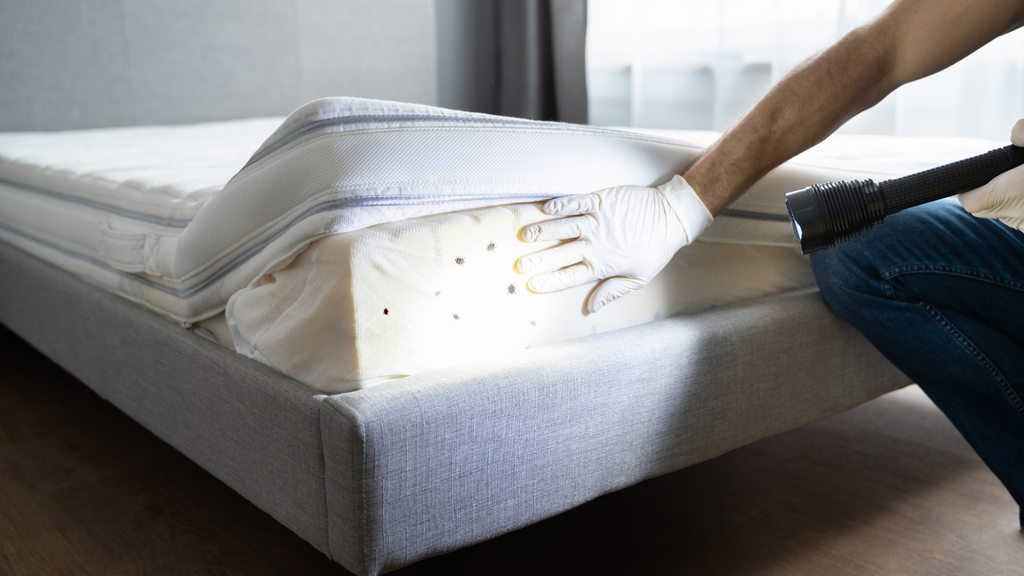
Do bed bug mattress encasements really work?
Yes, bed bug mattress encasements can work as part of a bed bug prevention and control plan. A proper encasement surrounds the mattress on all sides and closes with a secure zipper. This helps stop bed bugs from getting into the mattress and can trap bugs already inside so they cannot reach the sleeper.
The important phrase is “part of a plan.” A bed bug mattress protector does not kill every bed bug in the room, stop bugs hiding in the bed frame, or replace pest-control advice when there is an active infestation. Bed bugs can hide in headboards, skirting, furniture joints, luggage, curtains, and nearby cracks.
For most Singapore bedrooms, I would choose a full mattress encasement over a simple fitted protector if bed bugs are the concern. A top-only protector is useful for sweat and spills, but it is not the same as a bed bug mattress cover.
Bed bug mattress cover vs mattress protector vs mattress encasement
| Type | Coverage | Best for | Bed bug note |
|---|---|---|---|
| Fitted mattress protector | Top and sides, like a fitted sheet | Sweat, spills, stains, and everyday mattress care | Not enough for bed bug protection because the underside remains open. |
| Waterproof mattress protector | Usually top and sides | Children, pets, sweat, spills, and mattress hygiene | Useful for cleanliness, but check whether it is a full encasement. |
| Mattress encasement | Full six-sided coverage with zipper | Bed bug prevention, dust control, mattress protection | The better choice when bed bugs are the main concern. |
| Bed bug mattress encasement | Full coverage with bed-bug-resistant zipper and fabric | Homes worried about bed bugs or protecting a new mattress | Choose snug fit, strong seams, and a secure zipper closure. |
If you are comparing protective bedding, start with mattress and pillow protectors and check whether the product is a fitted protector, waterproof protector, or full encasement before buying.
What should I look for in a bed bug mattress protector?
Look for full coverage first. A bed bug mattress protector should cover the entire mattress, including the underside, and close securely with a zipper. If bed bugs can enter through a gap, the cover is not doing its job.
| Feature | Why it matters | Better choice |
|---|---|---|
| Full encasement | Bed bugs can hide along seams, edges, and the underside of mattresses. | Choose six-sided coverage, not only a fitted top layer. |
| Secure zipper | Small gaps can become access points. | Look for a tight zipper closure and zipper guard where available. |
| Snug fit | Loose fabric bunches under sheets and can feel uncomfortable. | Measure mattress length, width, and depth before buying. |
| Tear-resistant fabric | Holes reduce protection and create hiding spots. | Choose durable fabric and check the cover regularly. |
| Washability | Singapore humidity makes clean bedding routines more important. | Choose a cover that can be cleaned according to the care label. |
| Comfort and noise | A crinkly or hot cover may make sleep uncomfortable. | Choose breathable, quieter materials where possible. |
If you are protecting a new mattress, compare the encasement with the mattress size and depth before checkout. A Queen mattress and a Queen encasement can still fit badly if the mattress is unusually thick or has a topper.
How bed bugs get near the bed
Bed bugs are often carried into homes through luggage, clothing, used furniture, mattresses, bags, and items that have been in infested spaces. In apartments and shared buildings, they may also move between units or common areas.
Once inside a bedroom, bed bugs usually look for protected hiding places near the person sleeping. Mattress seams, bed-frame joints, headboards, skirting, bedside furniture, and cracks near the bed can all become hiding spots.
A mattress encasement makes the mattress simpler to inspect because the surface becomes smoother and lighter. That helps, but the rest of the room still needs checking. A clean-looking mattress does not prove the bed frame or nearby furniture is clear.
Signs you may need more than a mattress encasement
- Visible insects: Small reddish-brown insects around mattress seams, bedding, or nearby furniture.
- Dark marks: Small dark or rusty-looking spots on sheets, mattress edges, or bed-frame areas.
- Repeated bites: New itchy bite marks after sleep, especially if they keep appearing.
- Shed skins or eggs: Tiny pale shells or eggs in seams and protected cracks.
- Activity outside the mattress: Signs around headboards, skirting, drawers, curtains, or luggage.
If you see signs beyond the mattress, do not rely on a bed bug mattress cover alone. Contact a qualified pest-control professional and avoid moving infested items around the home without a plan.
How to install a bed bug mattress encasement
- Strip the bed: Remove sheets, protectors, pillows, comforters, and loose bedding.
- Inspect the mattress: Check seams, corners, handles, and underside before covering.
- Vacuum nearby areas: Clean the bed frame, under-bed area, headboard, and skirting before installing the cover.
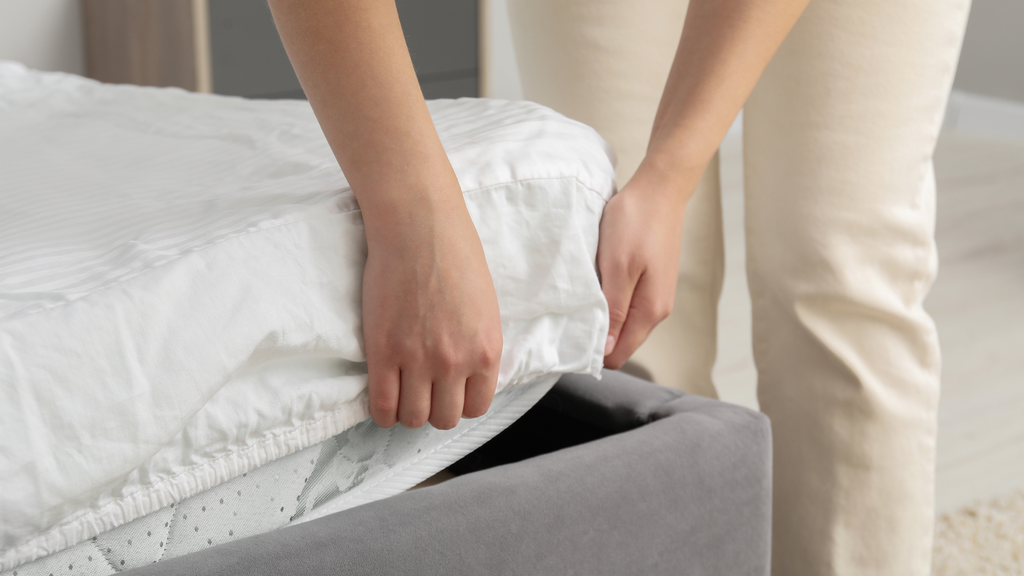
- Fit the encasement carefully: Slide it over the mattress without forcing seams or tugging the zipper too hard.
- Close the zipper fully: Make sure the zipper reaches the end and sits flat.
- Check for gaps or tears: Repair or replace damaged covers because holes reduce protection.
- Add sheets on top: Use clean bedsheets over the encasement for comfort and easier washing.
Browse bedsheets if you are refreshing the bed after adding a cover. The encasement protects the mattress, while sheets remain the layer you wash most often.
Singapore humidity and bed bug mattress care
Singapore bedrooms can stay humid, especially in rooms without regular aircon. A bed bug mattress encasement should not trap damp bedding against the mattress. Let sheets, protectors, and comforters dry fully before putting them back on the bed.
Do not use steam, heat, or chemical treatments on a mattress unless the mattress care label and pest-control guidance allow it. Moisture trapped under bedding can make the bedroom smell stale and may create new cleaning problems.
If you store spare bedding nearby, keep it clean and dry. Storage beds, drawers, and wardrobes should not be packed with damp sheets or used bedding. Bed protection works better when the whole bedroom stays organised and easy to inspect.
Before you buy a bed bug mattress cover
- Measure the mattress: Check length, width, and depth, especially if you use a topper.
- Choose full coverage: A proper bed bug mattress cover should encase the whole mattress.
- Check the zipper: Look for a secure closure with no easy gaps.
- Check fabric strength: Tears and holes reduce protection quickly.
- Think about comfort: A cover that feels noisy or hot may make sleep worse.
- Plan the full bed setup: Protectors, sheets, pillows, and the mattress should work together.
Complimentary delivery and professional assembly come with qualifying orders, which is useful when a mattress protector, mattress, bed frame, or bedroom set is purchased together. If something arrives damaged or incorrect, the team at +65 6950-2657 handles after-sales support locally.
Frequently asked questions about bed bug mattress covers
Is a bed bug mattress cover the same as a mattress encasement?
Usually, yes, when the cover fully surrounds the mattress and closes with a zipper. A fitted mattress protector is not the same because it normally leaves the underside open.
Can bed bug mattress encasements stop an infestation?
Bed bug mattress encasements can help trap bed bugs already inside the mattress and stop new bugs from hiding there. They cannot remove bed bugs from the whole room, so active infestations need wider treatment.
How long should I keep a bed bug mattress encasement on?
Keep the encasement on according to pest-control guidance and product instructions. Do not remove it early if bed bugs may still be trapped inside, and inspect it regularly for holes or zipper gaps.
What if I searched for bed bug matress by mistake?
If you searched for bed bug matress, you likely mean a bed bug mattress cover, bed bug mattress protector, or mattress encasement. Look for full zippered coverage rather than a top-only protector.
Can I use a regular mattress protector for bed bugs?
A regular fitted protector is useful for sweat, spills, and stains, but it is not enough for bed bugs unless it fully encases the mattress with a secure zipper and bed-bug-resistant construction.