


Good bath interior design starts with the bathroom elements you use every day: lighting, storage, ventilation, surfaces, mirrors, towels, and fittings that can handle moisture. In Singapore HDB, BTO, and condo bathrooms, the best design is not the most decorative one. It is the one that stays dry, easy to clean, safe to move around in, and organised after real toiletries move in.
You have got the BTO keys, and the bathroom looks simple until renovation decisions begin. Tiles, mirrors, towel storage, shelves, lighting, and shower zones all need to work in a room that is smaller and more humid than the showroom display.
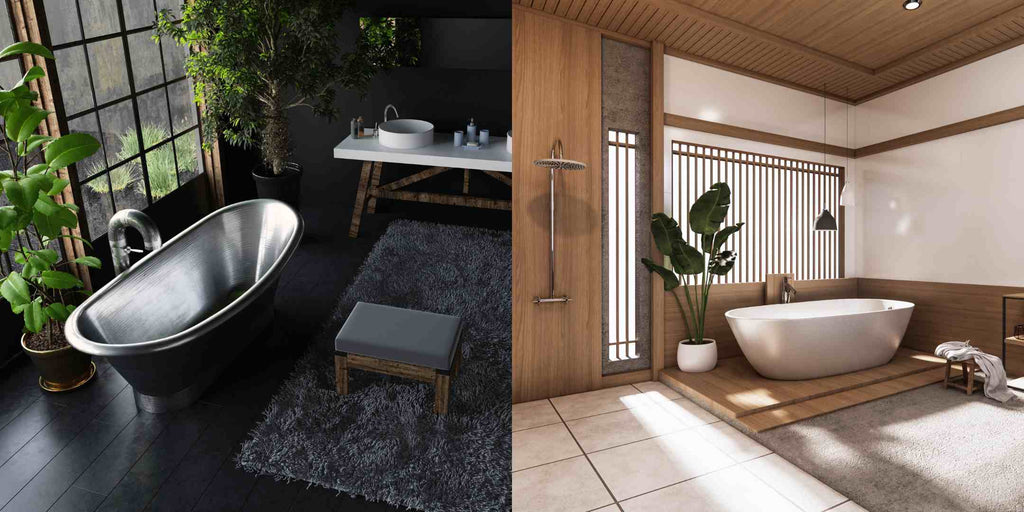
What are the most important bathroom elements?
The most important bathroom elements are the ones that control daily comfort and maintenance. Start with layout, lighting, ventilation, storage, surface materials, mirror placement, towel access, and non-slip flooring. Style comes after those decisions.
For most Singapore bathrooms, the best bath interior design is practical first and decorative second. A bold wallpaper or marble-look wall can be lovely, but it should not make cleaning harder, trap moisture, or reduce storage in a small HDB bathroom.
| Bathroom element | What to prioritise | Why it matters |
|---|---|---|
| Lighting | Bright general lighting and softer mirror lighting | Makes grooming, cleaning, and night use easier |
| Ventilation | Good airflow, open window where available, and regular drying | Helps reduce damp smells and moisture build-up |
| Storage | Closed cabinets, baskets, trays, and wall shelves | Keeps toiletries, towels, and cleaning supplies controlled |
| Surfaces | Water-resistant, easy-clean materials | Bathrooms need finishes that can handle daily splashes |
| Mirror | Right height, good reflection, and practical lighting | Supports grooming and can make a compact bathroom feel lighter |
| Towels and textiles | Quick-drying materials and proper hanging space | Wet towels can make a small bathroom feel stale quickly |
Browse storage baskets and trays if your bathroom needs a simple way to group toiletries, towels, and cleaning items without adding bulky furniture.
Bathroom interior design ideas that work in small homes
Small bathrooms need fewer ideas done better. The original article includes nature-inspired, minimalist, modern, contemporary, Scandinavian, wallpaper, metallic, marble, wood, bright, airy, and small-space looks. Those ideas can work, but each one needs to be filtered through Singapore humidity, cleaning habits, and storage needs.
| Design direction | Best bathroom elements to use | What to avoid |
|---|---|---|
| Nature-inspired | Earth tones, stone-look tiles, wood-look accents, woven baskets | Untreated wood in wet zones |
| Minimalist | Closed storage, simple fittings, clean lines, light colours | Too little storage for real toiletries |
| Modern contemporary | Geometric mirrors, sleek lighting, matte fittings, textured tiles | Trendy finishes across every surface |
| Scandinavian | Soft neutrals, pale wood-look finishes, towels, simple shelving | Fabric-heavy styling in damp corners |
| Marble-inspired | Marble-look tiles, simple storage, warm lighting | Real marble in high-splash areas without proper care |
| Bright and airy | Mirrors, pale walls, glass screens, uncluttered counters | Open shelves packed with small items |
The honest trade-off is that the most photogenic bathroom style is not always the easiest one to maintain. If the bathroom is used by the whole family every morning, choose storage and cleaning ease before dramatic finishes.
Bath interior design for HDB and BTO bathrooms
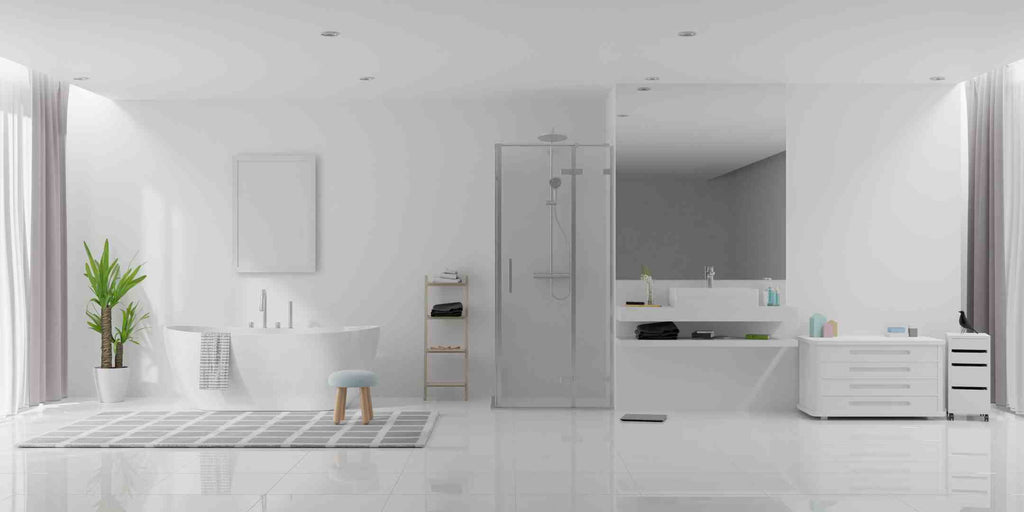
Bath interior design for HDB and BTO bathrooms should begin with the wet zone. Decide where water lands, where towels dry, where cleaning supplies sit, and where daily toiletries return after use. If those basics are not planned, the bathroom will look messy even with expensive tiles.
In compact bathrooms, use vertical space carefully. Wall-mounted shelves, slim cabinets, hooks, and trays can help, but do not fill every wall. Leave enough visual breathing room so the bathroom does not feel like a storage cupboard with a shower.
- Keep frequently used items within easy reach.
- Store backup toiletries away from the wettest zone.
- Use closed storage for items that look messy in groups.
- Keep cleaning tools accessible but not visually dominant.
- Choose towel placement that lets fabric dry properly.
- Plan mirror lighting before fixing the final cabinet height.
Storage is the bathroom element most people underestimate
Storage decides whether a bathroom stays calm after the first week. Toiletries, razors, skincare, hair tools, toilet paper, towels, medicine, and cleaning supplies all need a place. A small bathroom with no storage becomes cluttered quickly, even if the design style is simple.
If you like minimalist bathroom design, closed storage is your friend. If you like a spa-like bathroom, keep only the nicest daily items visible and hide the rest. If children use the bathroom, keep small items sorted and off the floor.
Browse storage cabinets if the bathroom or nearby corridor needs extra space for towels, cleaning items, or household supplies.
Choose materials that can handle moisture

Singapore bathrooms deal with regular moisture, and many homes also deal with high ambient humidity. That makes material choice practical. Solid wood can move with humidity and should be used carefully. Plywood and engineered boards can be more stable when properly finished. Metal accents can look smart, but finishes should be kept dry where possible. Marble is beautiful, but it is porous and needs more care than many stone-look alternatives.
Wood-look finishes, sintered stone, ceramic tiles, porcelain tiles, glass, and moisture-aware storage pieces usually make more sense than delicate decorative materials in wet zones. The goal is not to remove personality. It is to place the personality where it can survive daily use.
Lighting, mirrors, and bright bathroom elements
Lighting affects how clean and spacious the bathroom feels. A single ceiling light may be enough for basic use, but mirror lighting is useful for shaving, skincare, makeup, and grooming. If the bathroom has no natural light, pale walls, reflective surfaces, and a larger mirror can help the room feel less closed in.
Mirrors also support small bathroom design. A mirror with storage behind it can do more work than a decorative mirror alone. If you choose metallic accents, keep them controlled. One mirror frame, tap finish, or handle finish is usually enough in a small bathroom.
Towels, trays, and everyday finishing pieces
Small bathroom elements decide how the room feels in daily use. Towels, trays, hooks, baskets, soap dispensers, and bins may seem minor, but they create the difference between tidy and tiring.
Choose towels that dry properly in your home. A thick towel can feel pleasant, but it may stay damp longer in a compact bathroom without strong airflow. Use trays for items that live on the counter, and baskets for items that need to move in and out easily.
Browse bath towels in Singapore if your bathroom refresh includes softer textiles and better drying routines.
What should you avoid in bathroom interior design?
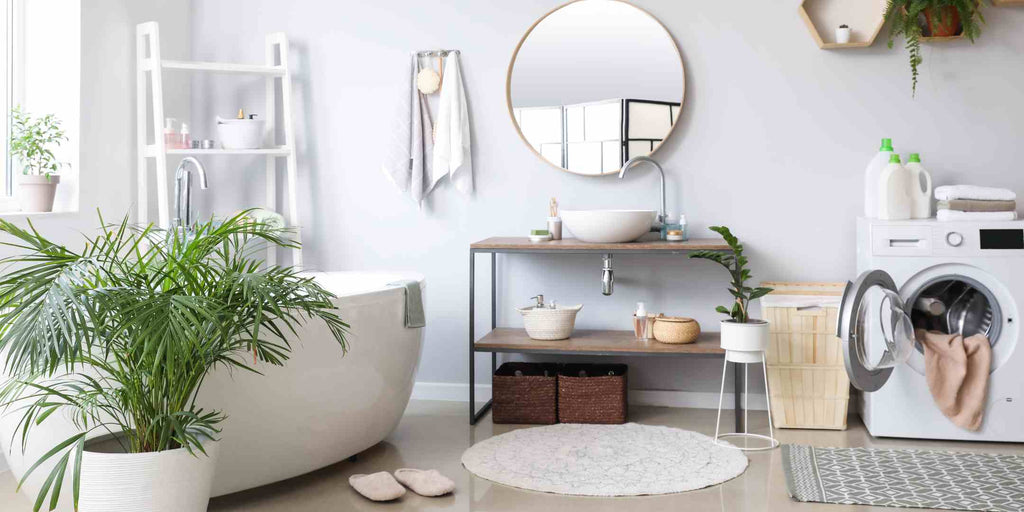
Avoid choosing every idea at once. The original article lists many styles, but a real bathroom needs a clear direction. Pick one main style, then use bathroom elements that support it.
- Avoid untreated wood in wet zones.
- Avoid rugs that stay damp and become hard to clean.
- Avoid open shelves if you dislike visible clutter.
- Avoid dark finishes everywhere in a tiny bathroom with weak lighting.
- Avoid strong wallpaper in direct wet areas unless the material is suitable.
- Avoid choosing a mirror before checking lighting and cabinet height.
Complimentary delivery and professional assembly come with qualifying orders, useful when a bathroom refresh includes cabinets, storage pieces, shelves, or nearby hallway furniture that needs to arrive safely and fit properly.
Final thoughts on bath interior design
Good bath interior design is not about copying twelve ideas into one small room. It is about choosing the bathroom elements that make daily life easier: storage, lighting, ventilation, surfaces, mirrors, towels, and safe movement. Start with the wet zone, then storage, then lighting, then style. The bathroom will look better because it works better.
A growing share of Megafurniture's furniture range now comes from its own factories in Batu Pahat, Johor and Foshan, Guangdong, both operational since late 2025. Quality checks happen in-house before pieces ship to Singapore, where delivery and professional assembly are handled locally. It is not the whole range yet, but the programme is expanding through 2028.
FAQs about bath interior design and bathroom elements
What are the key bathroom elements to plan first?
Plan layout, wet zone, lighting, ventilation, storage, mirrors, towel placement, and surface materials first. Decorative pieces should come after these daily-use decisions.
What bath interior design style works best for small HDB bathrooms?
Minimalist, Scandinavian, bright and airy, or modern contemporary styles usually work well because they rely on simple lines, light colours, controlled storage, and fewer visual distractions.
How can I make a small bathroom look bigger?
Use pale colours, a larger mirror, clear storage habits, good lighting, and fewer loose items on counters. Avoid bulky storage that blocks movement or makes the room feel crowded.
Can I use wooden bathroom furniture in Singapore?
You can use wood or wood-look furniture carefully, but keep it away from direct wet zones where possible. Solid wood can move with humidity, while properly finished engineered materials may be more stable.
How do I keep bathroom design practical?
Give every daily item a place, keep towels able to dry, choose easy-clean surfaces, and avoid materials that need more care than your household can maintain.